


Why You Need Explosion-Proof Quartz in Your Bathroom Heater
Bathrooms are tricky. You’ve got thick steam, high humidity, and those sudden temperature swings that happen the second you step out of a hot shower. To deal with that, we use infrared heaters—they give you that instant, cozy warmth without having to heat up the entire room first. But here’s the catch: it all depends on the quartz tube inside. If you use a standard quartz tube, you’re playing a dangerous game. Imagine a single, cold drop of water landing on a glowing hot tube.**Pop.**It can shatter in a heartbeat. That’s why we don’t mess around with standard glass.
The Safety Stuff
We use explosion-proof quartz because it can actually handle the stress. When a heater jumps from room temperature to 500°C in a few seconds, the material expands and contracts fast. Standard glass just can’t take that kind of pressure, especially when moisture is involved. Think of it as your primary safety net. Without it, you’re looking at glass shards and electrical shorts in a room full of water. Not a great combination.
How the Heat Actually Works
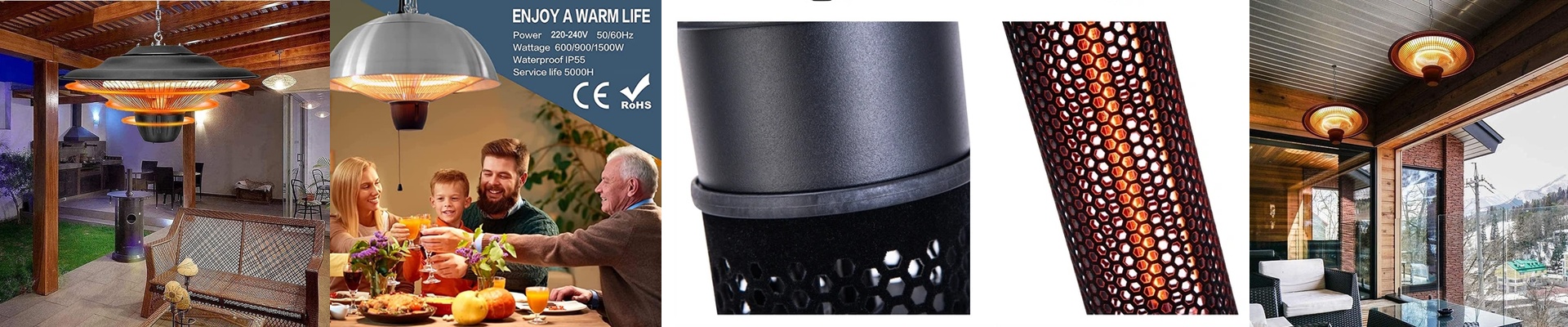
These heaters use short-wave infrared radiation. In plain English? The heat cuts right through the steam and humidity to hit you directly, instead of wasting energy trying to warm up the damp air. We tweak the wattage density of the filament so the tube gets hot almost instantly. You don’t want to stand there shivering while your heater “warms up.” **A quick heads-up on the electrics:**these tubes pull a lot of power. If your wiring is old or your circuit isn’t rated for the load, you’re going to trip your breakers or, worse, melt your connectors. Also, make sure you’re using high-temp ceramics for the brackets. It keeps the rest of the unit from warping under the heat.
A Few Trade-offs
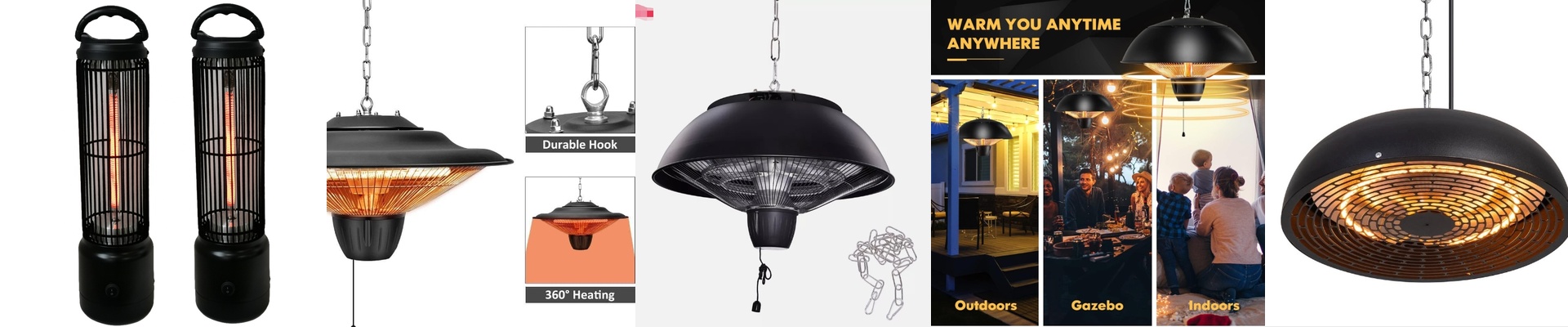
Waterproofing the outer shell is a good start, but the tube itself has to be up to the task. Now, full disclosure: explosion-proof tubes aren’t exactly the same as clear quartz. The way they emit heat is slightly different, so you might notice a tiny shift in how the warmth is distributed. It’s a small price to pay for knowing the thing isn’t going to explode. Just make sure your bathroom ventilation is decent. You still need a way for that ambient heat to move so the unit doesn’t overheat itself.