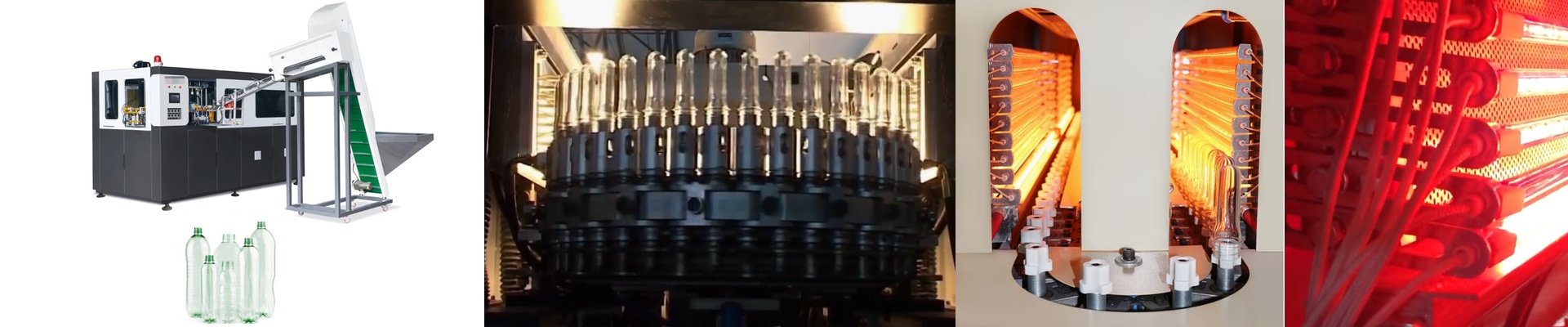
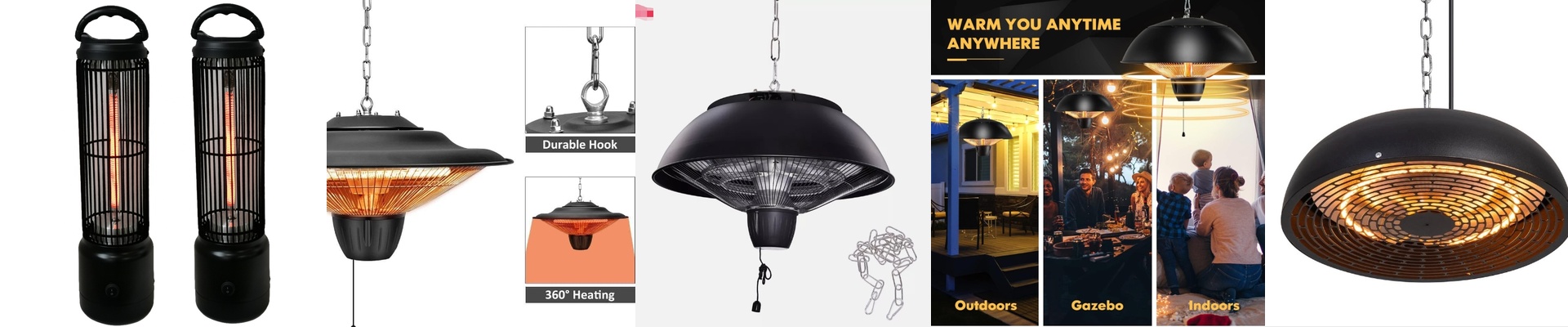
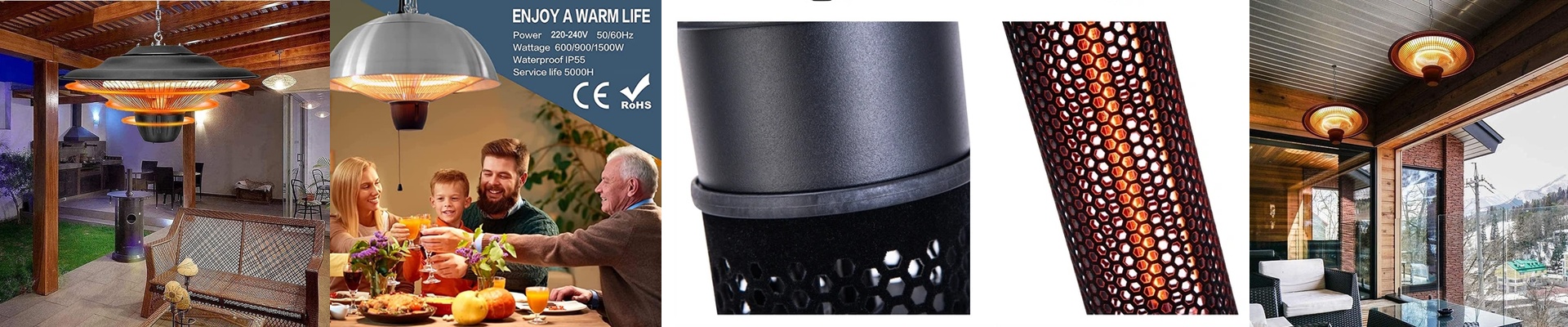
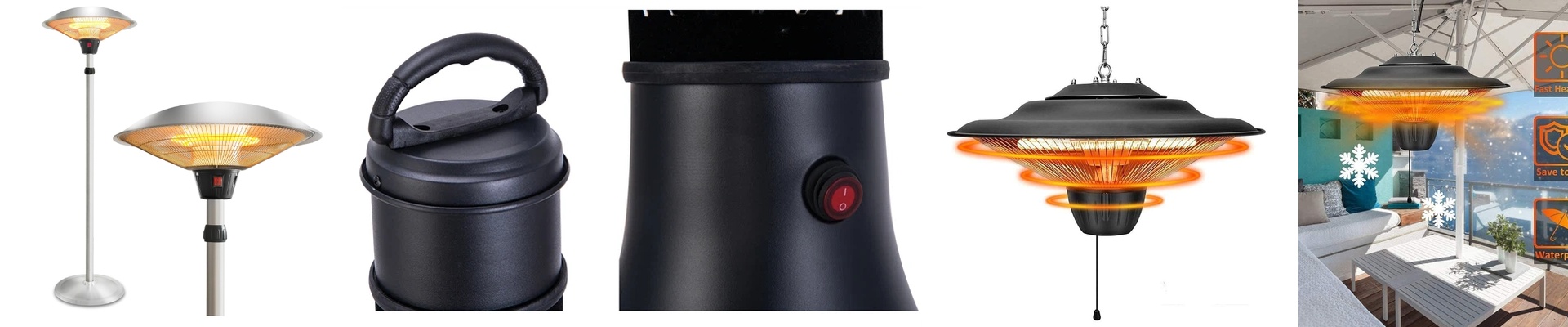
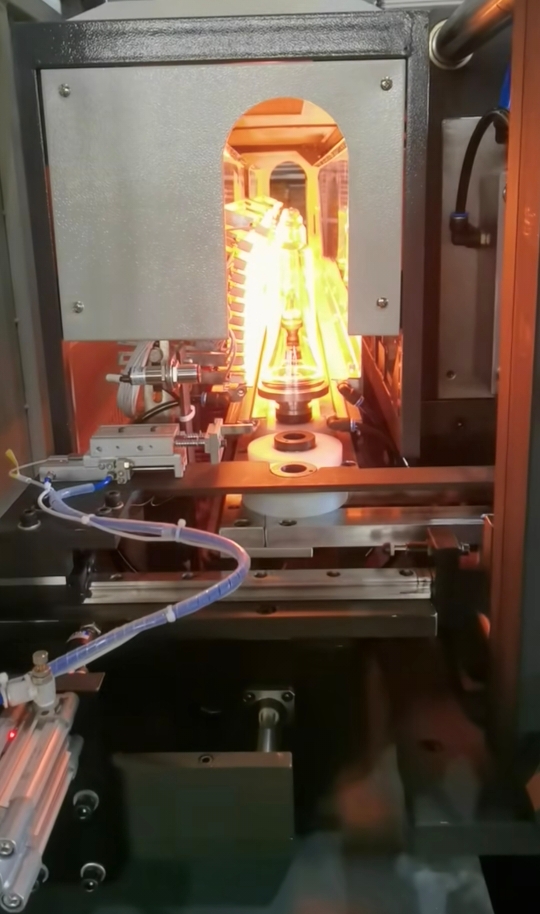
On the blow molding floor, the heating tunnel is where the rubber meets the road. One lamp starts underperforming, and you immediately see it in the preform stretch—uneven, thick on one side, thin on the other. The parison fights the mold, stress lines show up on the bottles, and then the scrap pile grows. Rework tickets stack up, and you end up dialing the line speed back just to protect yield. We make replacement PET blowing lamps that meet the original OEM thermal and mechanical specs, but we price them like a direct-from-China factory supply. You get OEM-grade performance without the OEM markup, and you keep the same reliability you expect from Sidel, Krones, SIPA, Husky, SACMI, and Nissei ASB heating systems.
What matters, technically
We build these lamps for the reality of preform heating in stretch blow molding. The emitters are matched to PET’s absorption profile, so the energy goes where it needs to—into the preform wall, not into the air.
- Infrared spectrum choice: We select short-wave or medium-wave profiles based on your preform wall thickness, color, and cycle time. The point is fast, uniform heating without hot spots.
- Watt density matched to the tunnel: We supply lamps in the common power ratings that keep heat distribution consistent across heating zones. If your line is tuned for a specific watt density, we match it. If not, we recommend a setting that keeps preform surface temperature inside the process window.
- Fast-response filament design: Infrared output hits steady state quickly, so the first preform after a restart heats the same as the thousandth. That cuts startup scrap and keeps the first-article check short.
- Quartz tube with stable transmission: The quartz holds output steady over time, even with repeated thermal cycling. Stable transmission means consistent heating from lamp to lamp.
- Mechanical fit that matches your machine: End caps, base types, and overall length are built to the same envelope as the original lamps. Common terminations include R7s and other standard connectors across blow molders. If your machine uses a specific mounting geometry, we match it so the lamp sits straight and seals correctly.
- Voltage and tolerances: Lamps are available for the voltage your heater power supplies expect, with tight resistance tolerance so each zone behaves predictably. We don’t sell a “one-size-fits-all” lamp. We match the critical parameters—length, diameter, wattage, voltage, and connector—so the lamp drops in and the heating profile stays where your machine was calibrated.
Why this works on your floor
You run a blow molder that has to hit a target every shift: cycle time, bottle weight, and line yield. The heating tunnel is where those numbers get made or broken. When the lamps match the OEM thermal behavior, you get:
- Stable preform heating across the tunnel: The temperature spread narrows, so the parison stretches evenly. That means fewer stress marks and a more consistent bottle wall.
- Less scrap, faster recovery after changeovers: Fast-response lamps cut the time spent “tuning” the tunnel after a format change. The first bottles are closer to spec, and the rework window shrinks.
- Energy use that makes sense: Infrared heating is directional—energy goes where it’s aimed. With properly matched lamps, you don’t have to overpower a zone to compensate for a weak one.
- Longer run windows between replacements: We design for high thermal cycling duty. In practice, many users see thousands of hours between lamp changes, depending on line speed, tuning, and the tunnel environment. And the cost story is straightforward: we supply lamps with OEM-grade materials and dimensions, but because we ship direct from our China factory, the price looks like contract-manufacturer rates, not a proprietary-part premium. That’s the point—OEM quality without the OEM price.
The things you already know—but are worth saying anyway
A lamp is only as good as the install and the machine tuning around it.
- Match the lamp to the heater block and reflector: Even with the right wattage, a mismatched fit can tilt the lamp and shift the focal line. The result is uneven heating. We size the lamp to the machine’s mounting envelope, but you still need to confirm it sits centered and square.
- Clean the reflector, or the lamp works harder: Dust and polymer residue on reflectors kill efficiency. The lamp hits full power, but the energy doesn’t land on the preform the way it should. Clean reflectors keep the heating profile predictable.
- Check the power supply and control settings: If your machine runs a PID profile, leave the control algorithm as it was designed. Swapping in lamps with different resistance or response time can make the loop overshoot. We provide the electrical data so you can verify compatibility before the changeover.
- Watch tunnel airflow and cooling effects: Air movement around the preform changes surface temperature. If your line has aggressive cooling near the tunnel exit, the heating zone might need a small tweak. That’s normal. The fix is process tuning, not cranking the lamp power.
- One real trade-off—ambient environment: In plants with high ambient heat, high humidity, or heavy dust, lamp life can shorten. The lamps are tough, but harsh conditions accelerate thermal stress and surface fouling. If your tunnel runs dirty or hot, we can adjust materials and coatings, but expect shorter service intervals than in a controlled, low-dust environment. If you’re running Sidel, Krones, SIPA, Husky, SACMI, or Nissei ASB, you don’t have to pick between brand-name reliability and budget reality. Our China factory-priced PET blowing lamps give you OEM-matched specs with direct-supply pricing, so you can replace lamps on schedule, keep the heating tunnel stable, and protect yield. Tell us your machine model and the current lamp part number. We’ll match length, wattage, voltage, connector, and thermal profile—then you can run the line the way it was designed, at a price that looks good on the purchase order.