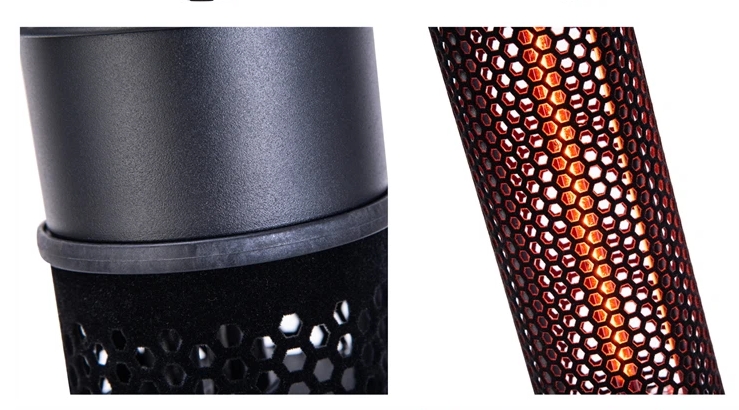
What’s really under the hood of our in-wall electric fireplaces
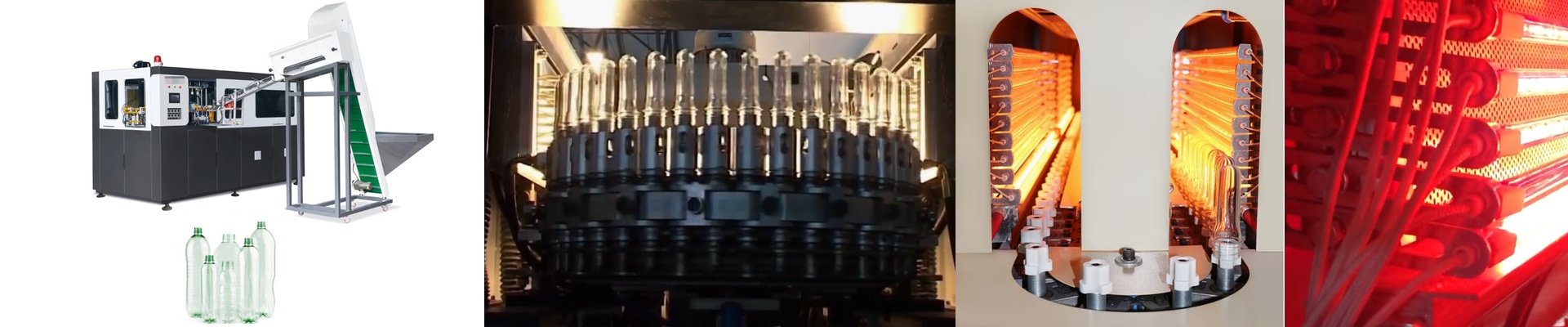
We don’t build these fireplaces around pretty fake flames. We build around serious heat—high-density infrared emitters that do the work. At the heart is a quartz halogen tube, designed to run on standard mains voltage, usually 230V or 240V. That means your install stays straightforward, no overcomplicated wiring. Power sits between 1.5 kW and 2.5 kW, so it heats up fast and gives you precise control over the output. The tube length is kept compact—think 300 mm to 600 mm—so you pack a lot of wattage into a small footprint. That’s exactly why the unit sits so cleanly inside the wall: the heat is focused, not scattered. And yes, it runs hot. Surface temps can climb past 600°C when it’s on, so clearances and thermal management aren’t optional. They’re part of doing it right.
The materials that make it tough—and the connector that makes it simple
We use a halogen-cycle design inside a quartz envelope because it holds steady over time and handles repeated on/off cycles without flinching. Quartz stays stable under thermal shock, and the halogen chemistry keeps the tube from blackening—so you don’t lose output as the unit ages. For the connection, we go with an R7s base. It’s practical, not fussy. It takes high temperature at the ends, locks the tube in place securely, and keeps everything aligned. You wire it quickly, and the contact is solid enough to handle vibration inside a built-in panel.
What it feels like in your home—and the reality you plan around
In an in-wall electric fireplace, this setup delivers infrared heat that’s fast and directional. It warms surfaces and people without having to heat the air first. You get even warmth across the viewing area, and the cycling feels predictable—on when it should be on, off when it should be off. Now, here’s the trade-off: that high heat density needs proper heat sinking and airflow. If the cavity traps heat, the tube and internal wiring run hotter, and lifespan drops. Plan the thermal path up front, and you end up with a heating module that’s reliable and doesn’t demand constant attention.