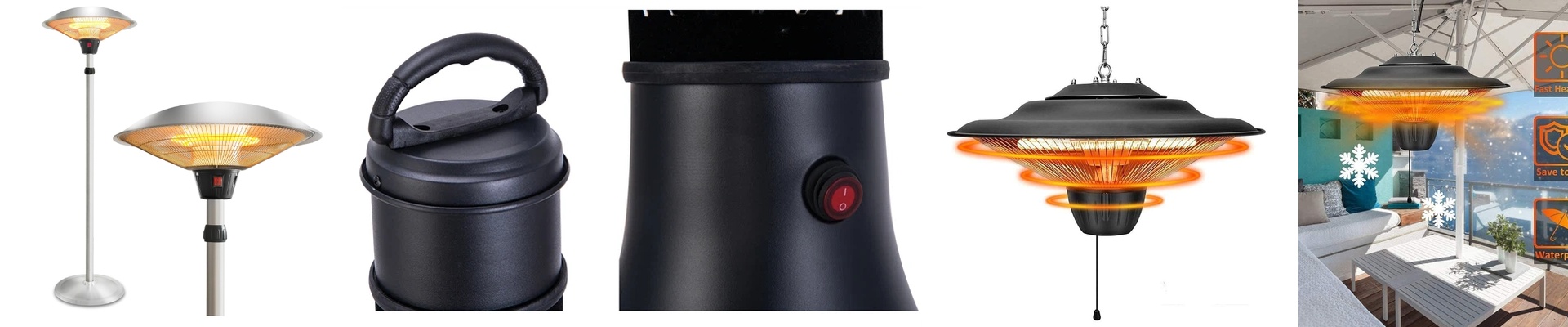
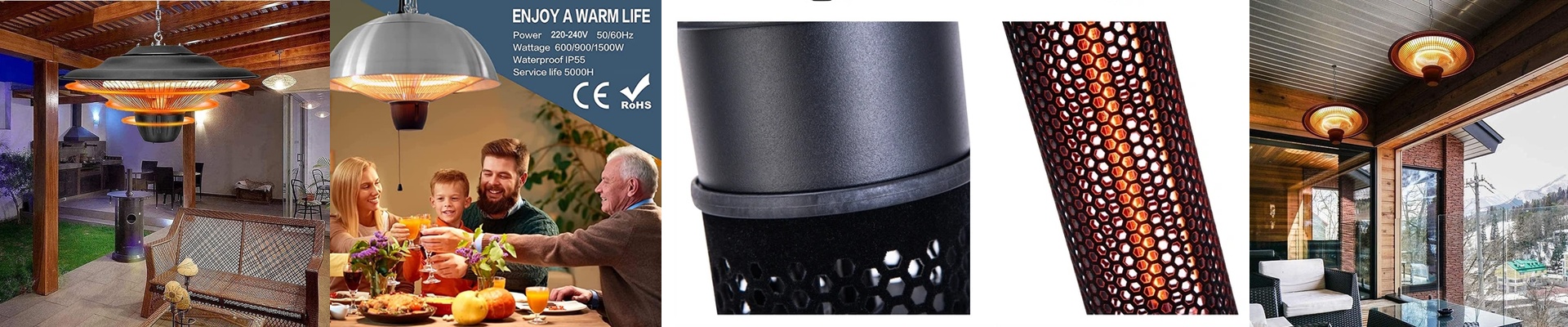
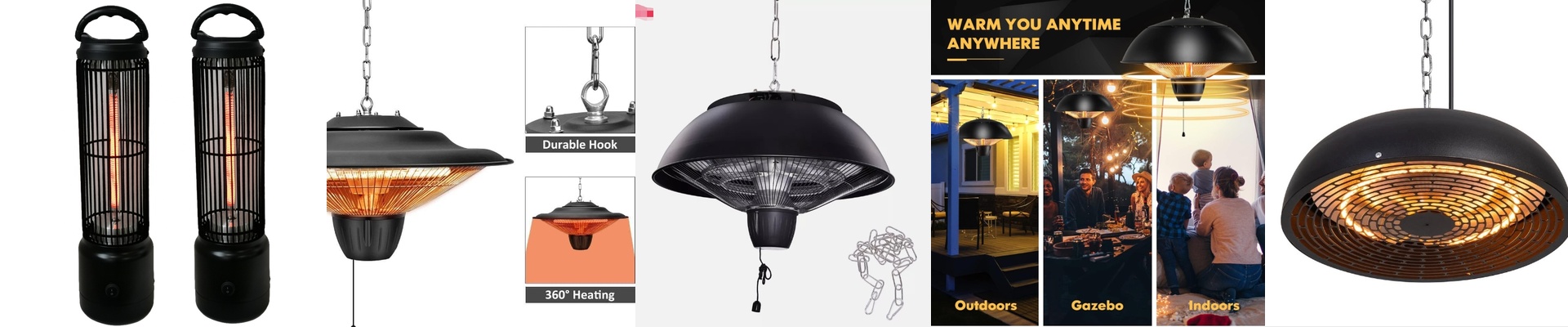
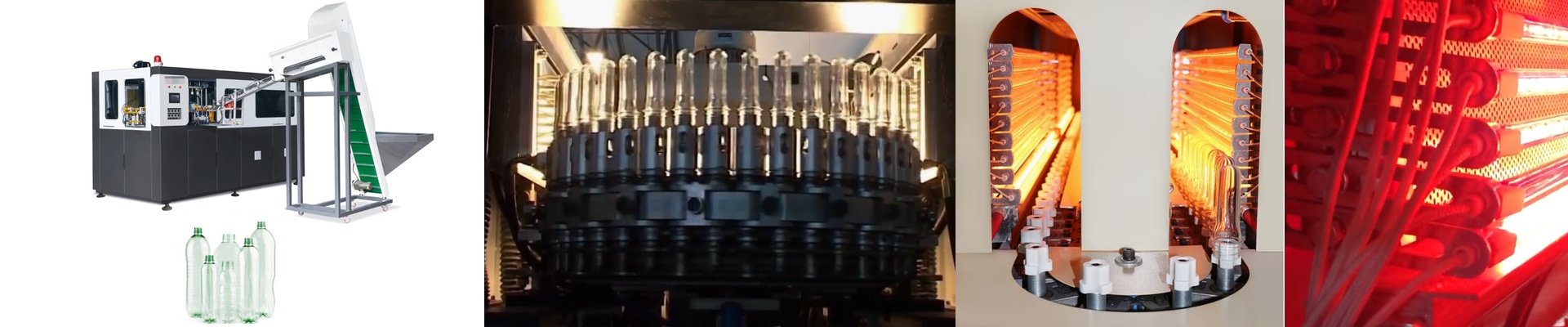
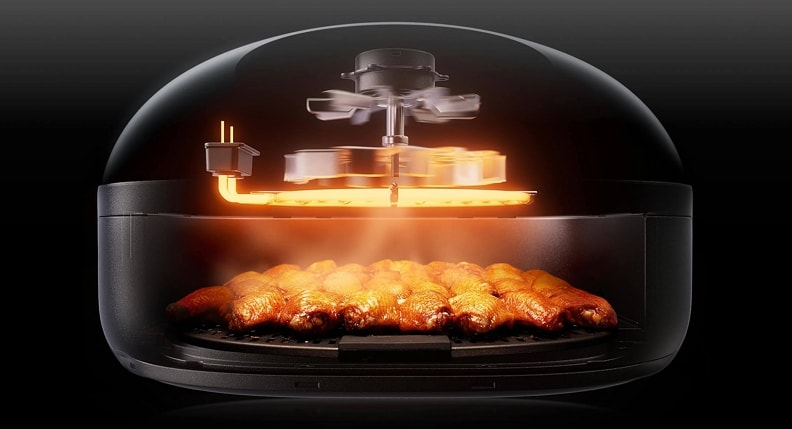
When the lunch rush hits, you don’t have time to wait on an oven coming up to temp. Preheat lag burns through prep, and uneven heat gives you pale crusts and hot spots. We designed our toaster ceramic heating tubes to cut that friction out of deck ovens, rotary ovens, and convection lines. What matters, technically We pair a dense, high-purity ceramic core with a low-thermal-mass sheath, so the energy goes straight into the baking chamber. Standard elements dump heat into the surrounding frame; ours keep it focused forward. You get fast recovery after door openings, tighter temperature stability, and a repeatable bake profile. Specs are built for the real workday: power matched to common voltages, standardized mounting and terminals, and compact lengths that fit tight toaster ovens without crowding the interior. The payoff is consistent radiant heat across the stone hearth or pan rack, not a scorch line in one corner. Why it works in a busy kitchen Minutes matter. These tubes cut preheat time and keep deck ovens steady through back-to-back bakes, so you hit service without losing crust or caramelization. Rotary ovens run smoother because heat comes back immediately after loading, which cuts swing. Convection cycles level out, so trays front-to-back finish the same. That means fewer rejects, faster turnaround, and less energy per bake cycle. Things to know before you spec them in Ceramic tubes run hotter at the surface, so clearance to walls and wiring matters. Check oven dimensions and terminal spacing before ordering. They also perform best when matched to the control strategy—pair them with a clean, calibrated thermostat for the tightest repeatability. Handle them carefully during install to avoid chipping the sheath. Set up right, they deliver steady heat shift after shift.