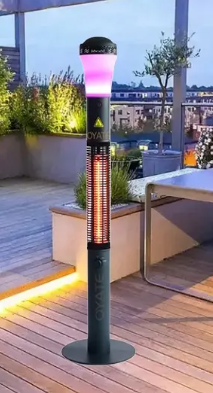
Stepping out of a shower into a bathroom that’s still damp and cold isn’t just uncomfortable — it can knot up your muscles and leave you feeling stiff. A towel rail heater flips that feeling fast, because it warms the space and the towels with infrared radiant heat, not just moving air. What matters, technically We build these around a carbon fiber or quartz infrared element that throws far-infrared warmth. Convection heaters warm the air first; infrared energy travels outward and gets absorbed by people, towels, and surfaces. The payoff is a gentle, even warmth that shows up almost the moment you power on. Most models run on standard 120V outlets, and many include an integrated thermostat so you can hold a steady comfort level instead of chasing temperature swings. For safety, look for tip-over protection and an IP rating that’s appropriate for bathroom humidity. Why this works in a bathroom In the bathroom, it’s about more than warmth — it’s about feeling better. Infrared warmth penetrates superficially, helping promote blood flow and loosen tight muscles. That matters after a long day, after a workout, or when joints are stiff in the morning. Warming towels on the rail means you can wrap yourself in comfort immediately, and the steady radiant heat cuts the chill that makes you tense up. Because the heat is directional and efficient, you can warm just the spot you use, which can help keep operating costs lower than heating the whole house. Here are the practical details Infrared towel rail heaters do their best work when mounted in the line of sight to the shower, tub, or dressing area, and they need a dedicated electrical circuit. Clearances matter for airflow and safety, so follow the spacing guidance that comes with the unit. In very large bathrooms, one unit may not cover every corner — sizing the heater to the room is the key.