In a busy commercial kitchen, the pass is where consistency gets real. When the rush hits, a holding cabinet that can’t hold temp—or a warming station that sags—will turn crisp crusts soggy and make sauces break. We built our warming thermal elements to keep that end of the line steady, because heat control at the pass isn’t optional. It’s the difference between a plate that makes it through service and one that makes the cut.
What matters under the hood
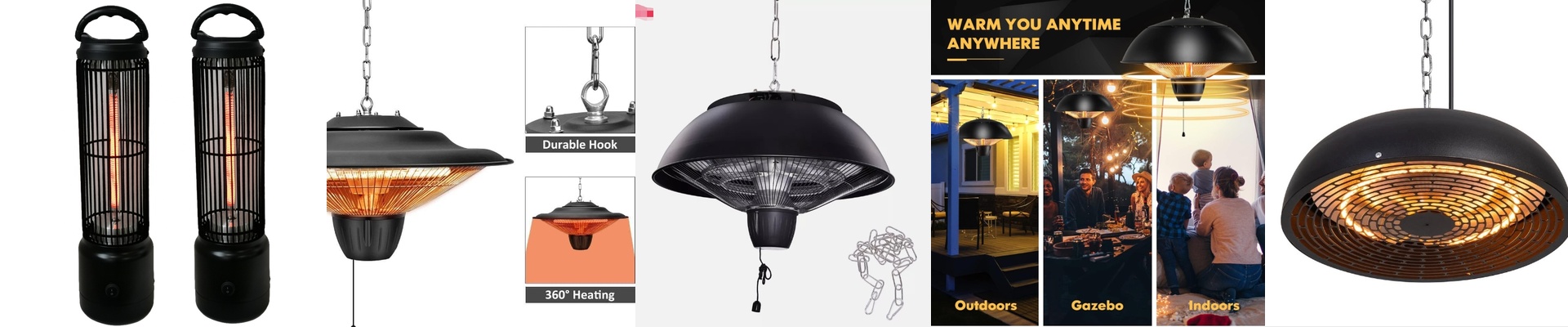
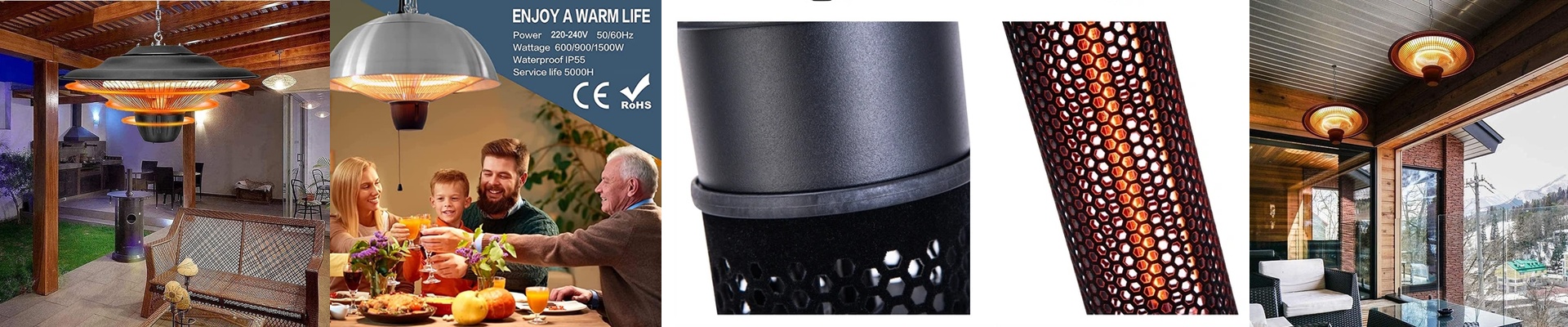
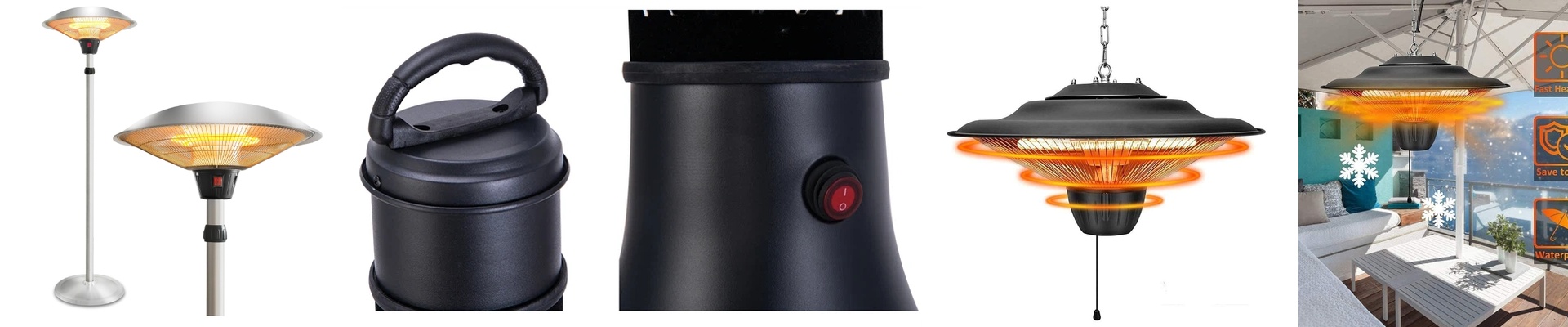
Our warming thermal element is built for the holding and finishing zone, putting out even, low-glare radiant heat that stabilizes fast and stays put. The core uses a high-response heating filament in a compact footprint, chosen specifically for rapid heat-up and predictable temperature decay. Typical units run on standard voltage options (208V or 240V) and are sized to fit common warming wells, so you get consistent coverage without hot spots. The terminal block and mounting hardware are spec’d for commercial ovens and warming cabinets, and the housing is finished to stand up to kitchen humidity and day-to-day cleaning.
Why it holds up in real service
This element keeps food at holding temperature without drying or scorching, so proteins stay juicy and pizzas stay crisp. It comes up to temp quickly, which shortens recovery between pans and keeps you from chasing heat by cranking the controls. In practice, that means fewer temperature swings, fewer overcooked edges, and fewer plates that need to be reworked when the board is full. It also trims energy use by avoiding long idle periods at excessive heat, because the control response is immediate and repeatable.
The details that save headaches
Installation is straightforward, but you have to match the element to the warming station’s rated amperage and thermostat type. Surface temperatures can be high, so clearance to shelving and packaging matters. For longevity, keep the element clean and dry, and don’t run the heat full-blast on an empty station.