Technical Deep-Dive: Power, Voltage, and Dimensions
We built this commercial radiant heater to be a straight swap for the heavy-duty stuff in industrial equipment. It runs on 400V, not the usual 230V, because it needs to pack 2500W of power into a tidy 300mm tube. That voltage choice keeps the current down, which means less voltage drop. So you can run longer cables without having to oversize the wiring. And that 300mm size? It gives you a tight footprint, so you can fit it into machines where space is hard to come by.
Material & Design: Halogen, Coating, and Connectors
Inside, you’ve got a shortwave halogen element, tucked inside a quartz envelope. The halogen chemistry keeps the filament stable, so the output stays consistent over time—no early burnouts. A reflective coating throws the infrared energy forward, so more of the heat goes where you need it instead of getting wasted sideways. The R7s connector is a double-ended, straight-pin base. It locks the lamp in place and gives you a solid connection. It’s a drop-in fit for common fixtures, so you can wire it up fast and get back to work.
Application & Benefits: Targeted Heat for Tough Spots
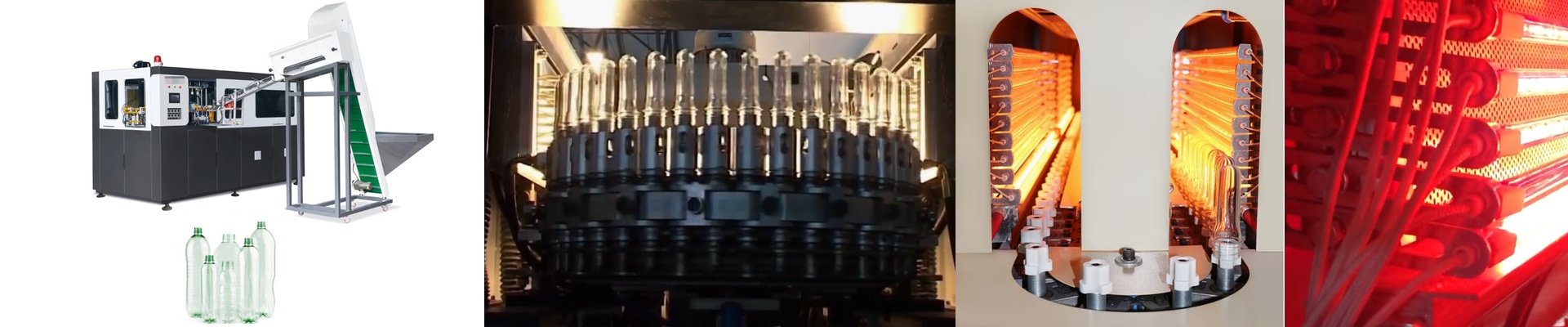
This setup is built for high heat density, where you need fast, focused heating—think sealing, drying, and thermoforming. The shortwave output hits surfaces quickly, which shortens cycle times and keeps things repeatable. Here’s the trade-off: packing 2500W into a 300mm tube means it runs hot. So your machine’s airflow and thermal management need to be properly sorted to keep components and nearby sensors safe. If you need a heater that can take a beating and still deliver steady output, this is the spec to run with.