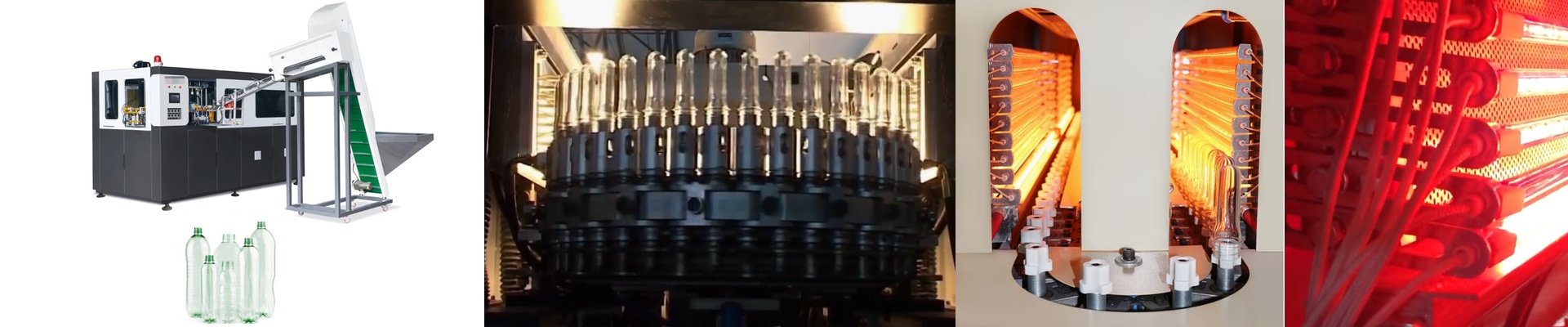
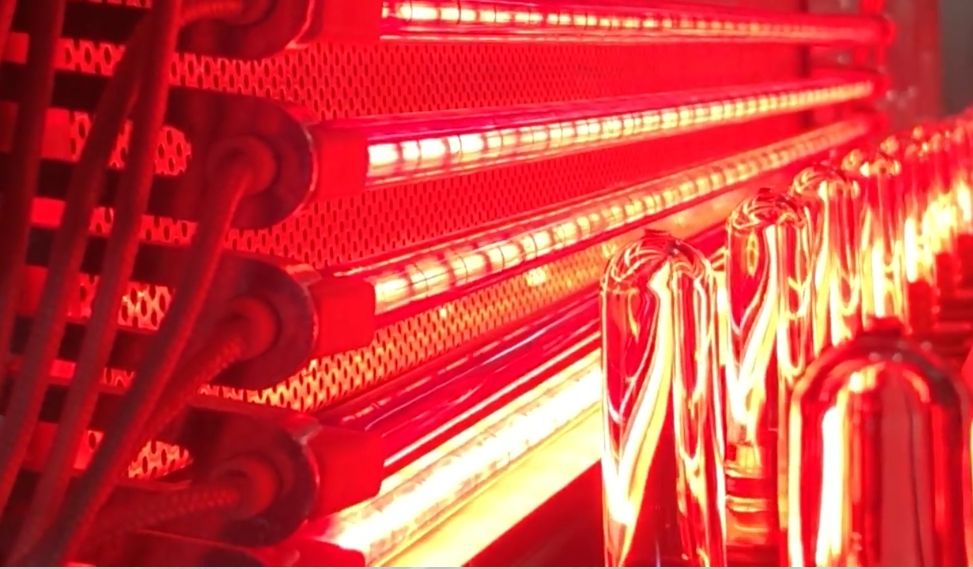
You know that sinking feeling. The line’s down, the oven alarm is screaming, and your maintenance guys are wrestling a burnt-out lamp in a space that’s too tight and way too hot. On a Sidel, Krones, or SIPA blow molder, every minute of unplanned downtime hits your margins hard and throws the whole schedule into chaos. Nine times out of ten, the culprit is the same: a generic lamp that just can’t keep up with the machine’s thermal profile.
What actually matters under the hood
We build our preform oven zoning lamps on a quartz halogen platform, tuned to deliver a specific short-wave infrared output that lines up with the OEM’s thermal profile. They’re spec’d for standard voltages (230V/400V) and use the common R7s connector, so they drop straight into your existing heating tunnel. The filament geometry is set for a precise power density, which means the preform neck and body get consistent, controlled heat. No guesswork—just matching the engineering that keeps your machine running the way it was designed.
Why it works in the real world
When you install these lamps, you’re not just swapping a part. You’re putting the heating balance back where it belongs, zone by zone. That means stable preform temperature, which shows up as consistent bottle wall thickness, fewer stress marks, and less scrap. The lamps are built to last longer, so you see fewer emergency changeovers and a lot less downtime. Energy use per cycle also drops, because the emitter hits target temperature faster and holds it with less drift.
A few shop-floor reminders
These lamps are a direct replacement for the major blow molder ovens, but you still have to match wattage and base type to the exact zone. We’re talking high operating temperatures, so always use heat-resistant gloves and double-check lamp orientation. If your machine has older sockets or wiring, inspect for oxidation and confirm voltage stability before installation—otherwise you’re asking for premature filament stress.