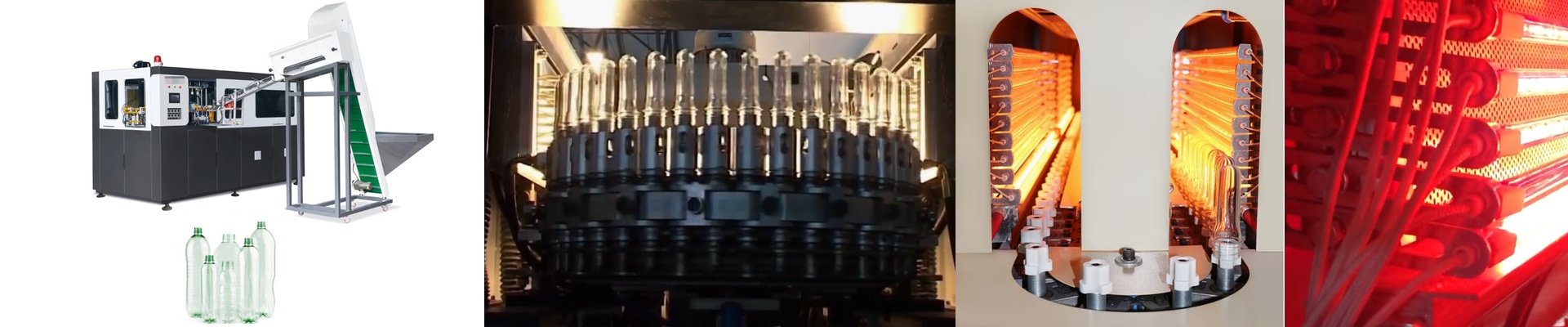
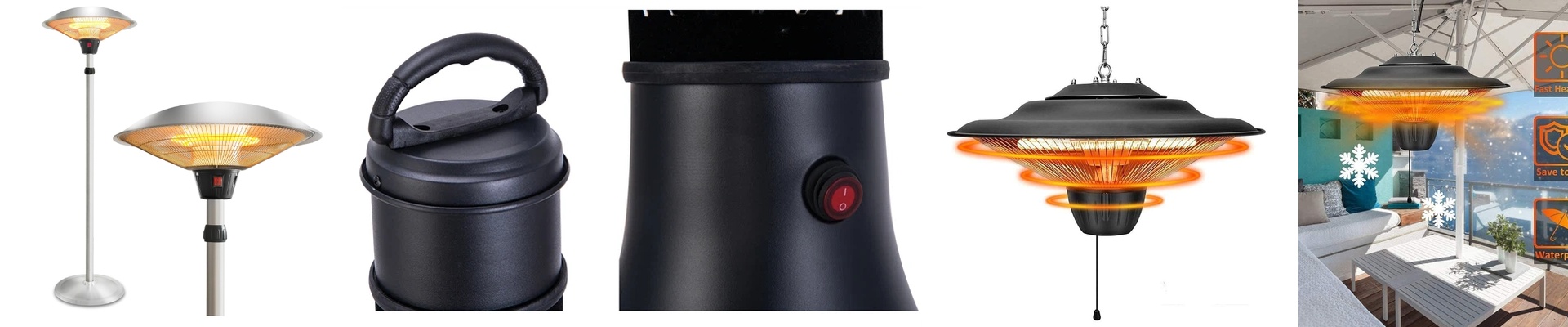
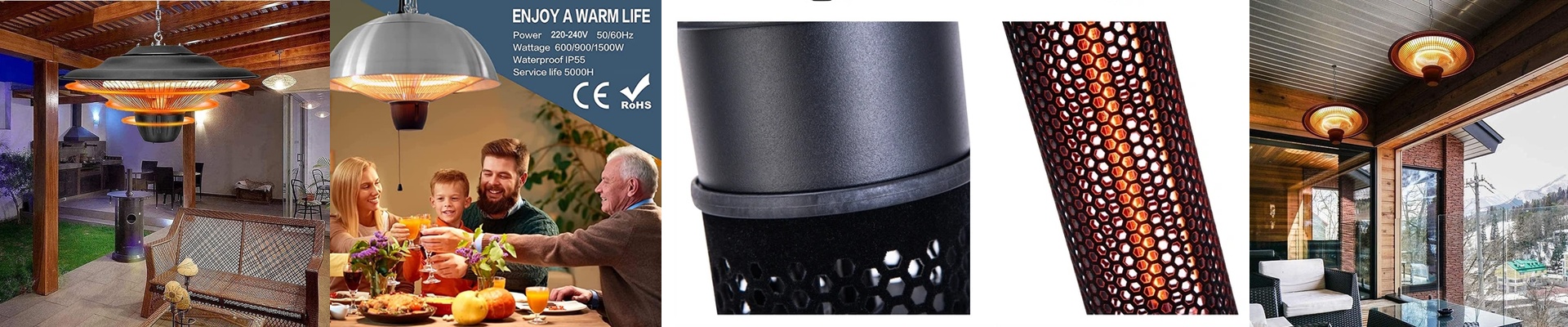
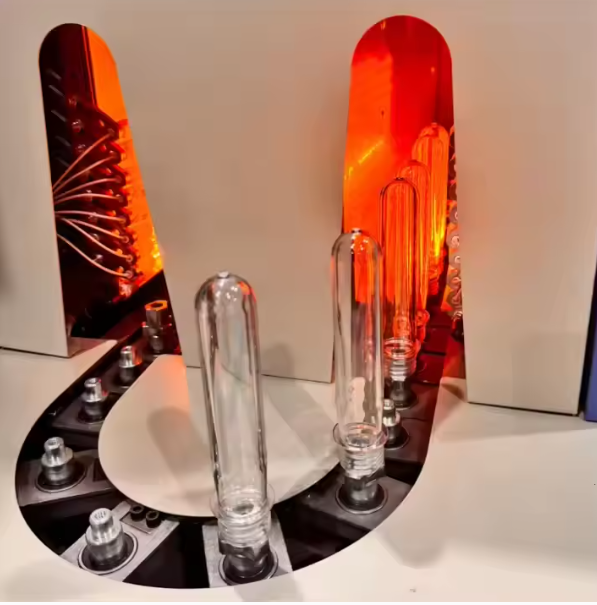
On the floor, the semi-automatic blow molder is in the middle of a changeover. Preforms are queued, the operator loads them, and the heating cycle has to be repeatable—every single time. When the heater lamp starts underperforming, you don’t just get uneven heating. You get rejects, slower cycles, and a heating tunnel that feels increasingly unpredictable. In PET stretch blow molding, that kind of uncertainty burns minutes, wastes material, and chips away at confidence. We built our semi-automatic blowing heater lamp for exactly that reality: a quartz infrared emitter that holds tight tolerances during preform heating, takes the heat cycling of the machine in stride, and drops straight into existing lamp mounts without rework.
What actually matters, technically
This lamp is a quartz infrared emitter, tuned to deliver controllable heat fast—right inside the PET heating window. It runs on standard industrial voltages (220–240 V), and we size the wattage to match the heating tunnel load and cycle rate of semi-automatic blow molders. The filament geometry is engineered to give a consistent radiant field so preforms heat evenly from shoulder to neck—no hot spots, no cold bands. When you’re doing a replacement, these are the details that make the job clean:
- Quartz tube: handles rapid thermal shock and keeps output stable over thousands of cycles.
- Wattage and voltage: matched to OEM specs so the control system sees predictable current draw.
- Connector type: supplied with the right interface—commonly R7s—so it installs without adapter wiring.
- Length and envelope: built to the exact envelope so it clears reflectors, mounts, and shields without contact. This isn’t guesswork. We specify the lamp to match the same thermal response curve as the original, so your temperature profile stays consistent after the swap.
Why it works where you run it
You run a semi-automatic blow molder, and you need a heater lamp that behaves like the OEM part—without paying OEM pricing. This lamp is designed to fit the heating systems on widely deployed blow molding platforms, including:
- Sidelmachines such as theMatrixseries
- Krones Contiformblow molders
- Husky HyPETsystems We verify the mounting geometry, the terminal interface, and the wattage match for each machine family. That means you can swap the lamp, close the access panel, and get back to the cycle you planned—without re-tuning the entire heating section. In practice, that means fewer heating-related rejects, more stable stretch ratios, and bottle quality that holds repeatable. It also cuts down on downtime—no more hunting for the right adapter, splicing leads, or trying to compensate for mismatched output. Energy use matters, too. The lamp comes up to temperature quickly and holds the set point without overshoot, so the heater isn’t fighting the cycle. You get stable performance with less wasted heat, and that shows up as a measurable reduction in energy draw per bottle over the run.
The practical stuff you’ll want to check
Installation is straightforward, but real machines have real constraints.
- Match the envelope: Even small differences in length or diameter can cause contact with reflectors or mounts. Measure the original lamp and confirm the replacement envelope before you start.
- Handle with care: Quartz infrared emitters are tough, but they’re sensitive to oils and impact. Always handle with clean gloves and avoid touching the tube surface.
- Check the holder and wiring: If the lamp socket is oxidized or loose, the new lamp won’t perform reliably. Replace worn holders and clean contacts during the swap.
- Thermal safety: The heating tunnel runs hot, and the lamp gets hotter. Make sure shields and interlocks are in place before restarting the machine. If you’re running one of the supported platforms—Matrix, Contiform, or HyPET—give us the exact machine model and lamp specification. We’ll confirm the wattage, voltage, connector, and dimensions so the replacement is a direct fit, and you can get back to stable output without compromise.