Introduction
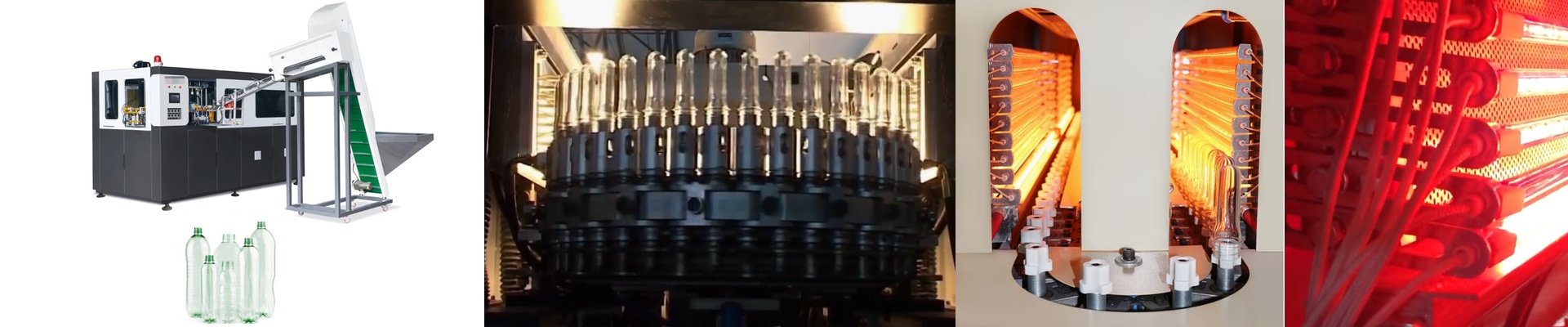
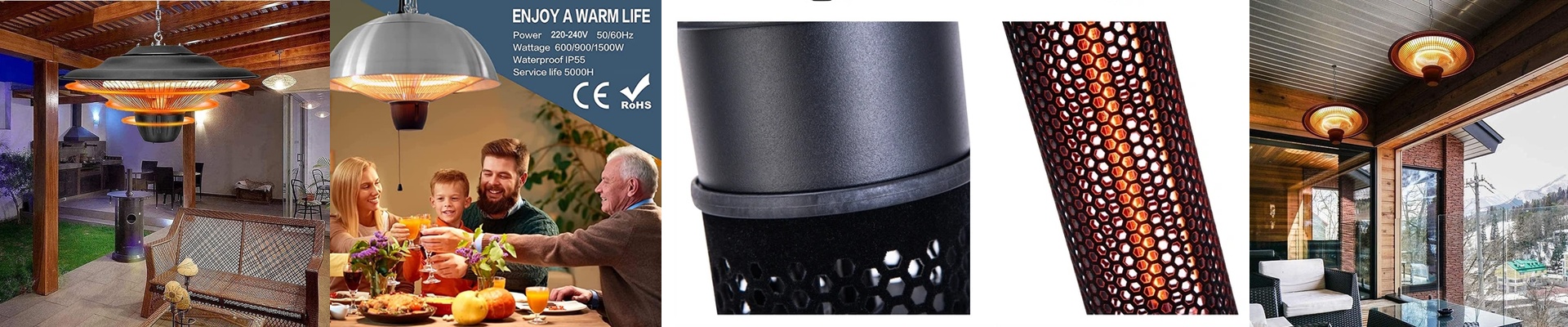
We built this infrared lamp for one reason: to finally end the heating roller coaster on your SIPA rotary blow molding machine. It’s all about giving you steady, predictable heat. No more wild swings that leave your PET preforms underdone or scorched. This lamp was designed to match the original specs exactly, so you get the kind of consistent output that keeps things running smoothly.
The Power, Voltage, and Fit
Here’s the thing: this lamp doesn’t just work with your SIPA machine—it was born to work with it. It’s built to run at 400V, with a serious 2500W punch. That kind of power gives you the concentrated heat you need to get PET heating up to speed, fast. And the 300mm length? Not random. It’s cut to match the exact heating zone, so the infrared energy blankets the preform evenly. Get the length or power wrong, and you’re asking for trouble. You’ll see hot spots and weak spots, which drag out your cycle time and send more scrap down the line.
What’s Inside
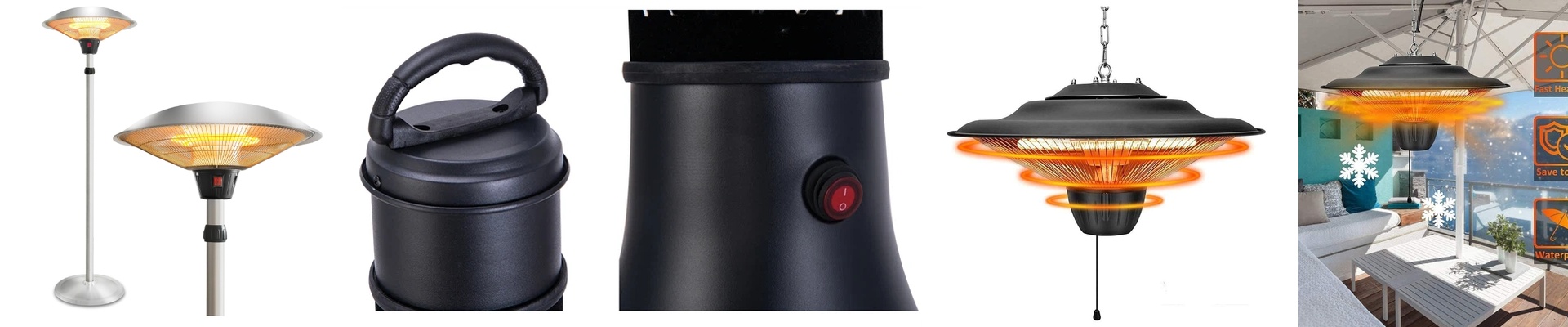
Inside, you’ve got a halogen-filled quartz tube. It’s the kind of workhorse that keeps the filament temperature rock-solid, even when it’s heating up and cooling down over and over. That internal halogen cycle does its job, too—it keeps the tube from blackening and helps the lamp hold its output strong over its whole life. We also added a special coating on the tube to focus the infrared energy right where PET absorbs it best. The result? Faster, cleaner heating. And for the connection, we went with the R7s connector. It slides right into the SIPA socket, giving you a secure, clean electrical fit. Less resistance means less heat buildup at the ends. It’s a straight drop-in replacement—just wire it up, and you’re good to go.
What It Feels Like on the Line
On the rotary line, the payoff is simple: stability. That rock-solid power keeps the heating curve steady, which helps you keep bottle weight and wall thickness consistent. And because it recovers fast after each shot, the line just keeps moving. Now, a heads-up—this is a high-wattage lamp, so it does need a healthy cooling system. If the airflow and heat sinking get neglected, the extra ambient heat can shorten the component life. Keep things clean, and you’re golden. The outcome? Predictable output. Fewer rejects. And a lamp that can take the daily grind of running your SIPA machine, shift after shift.