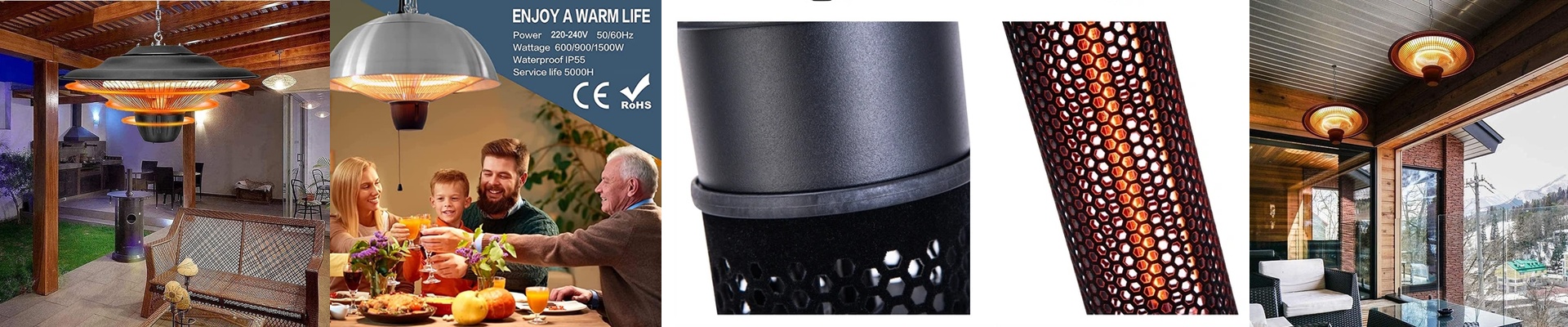
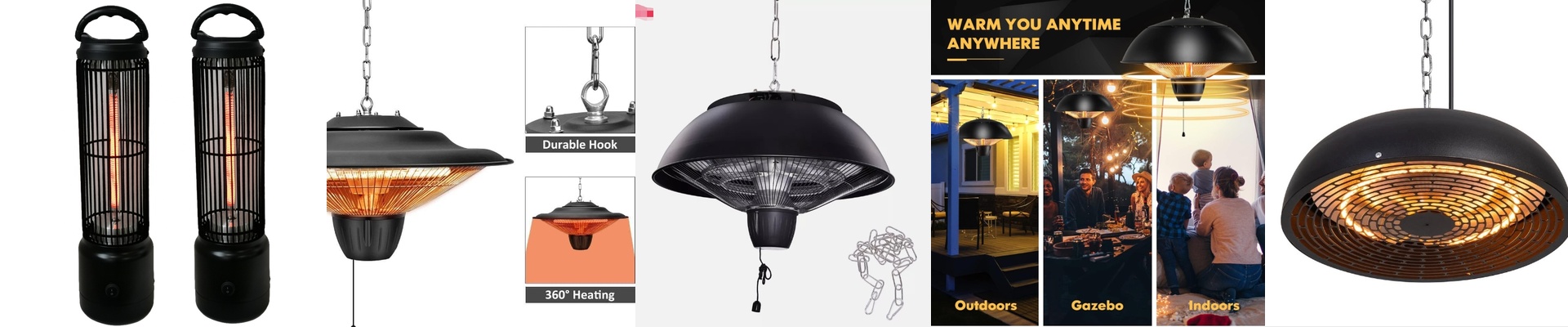
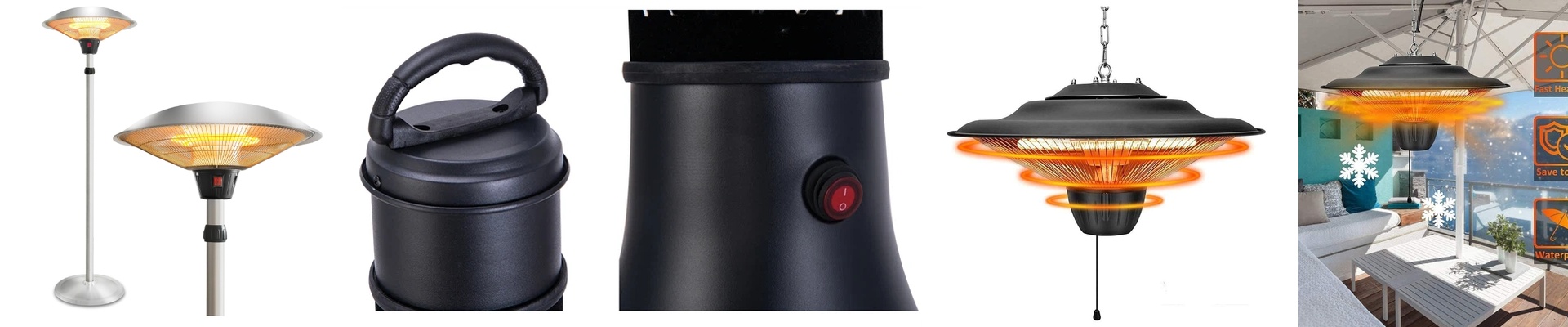
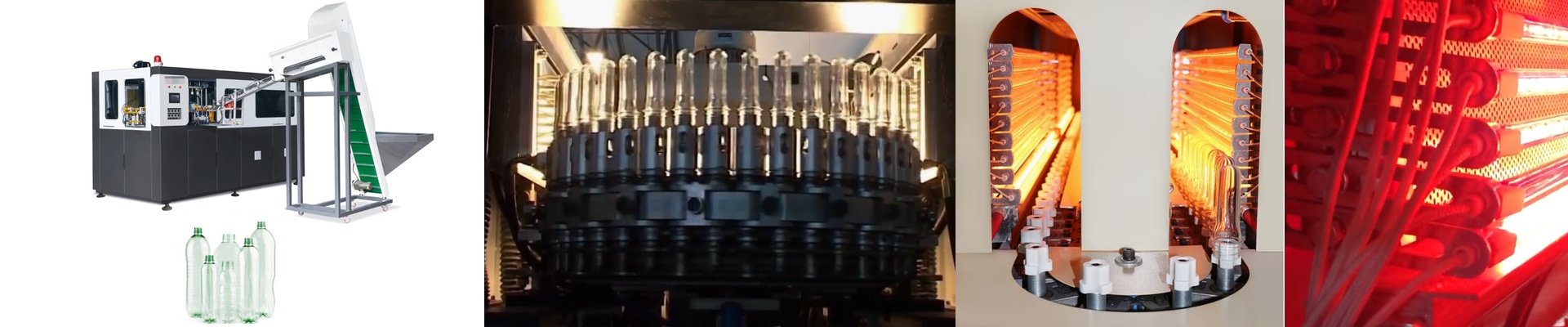
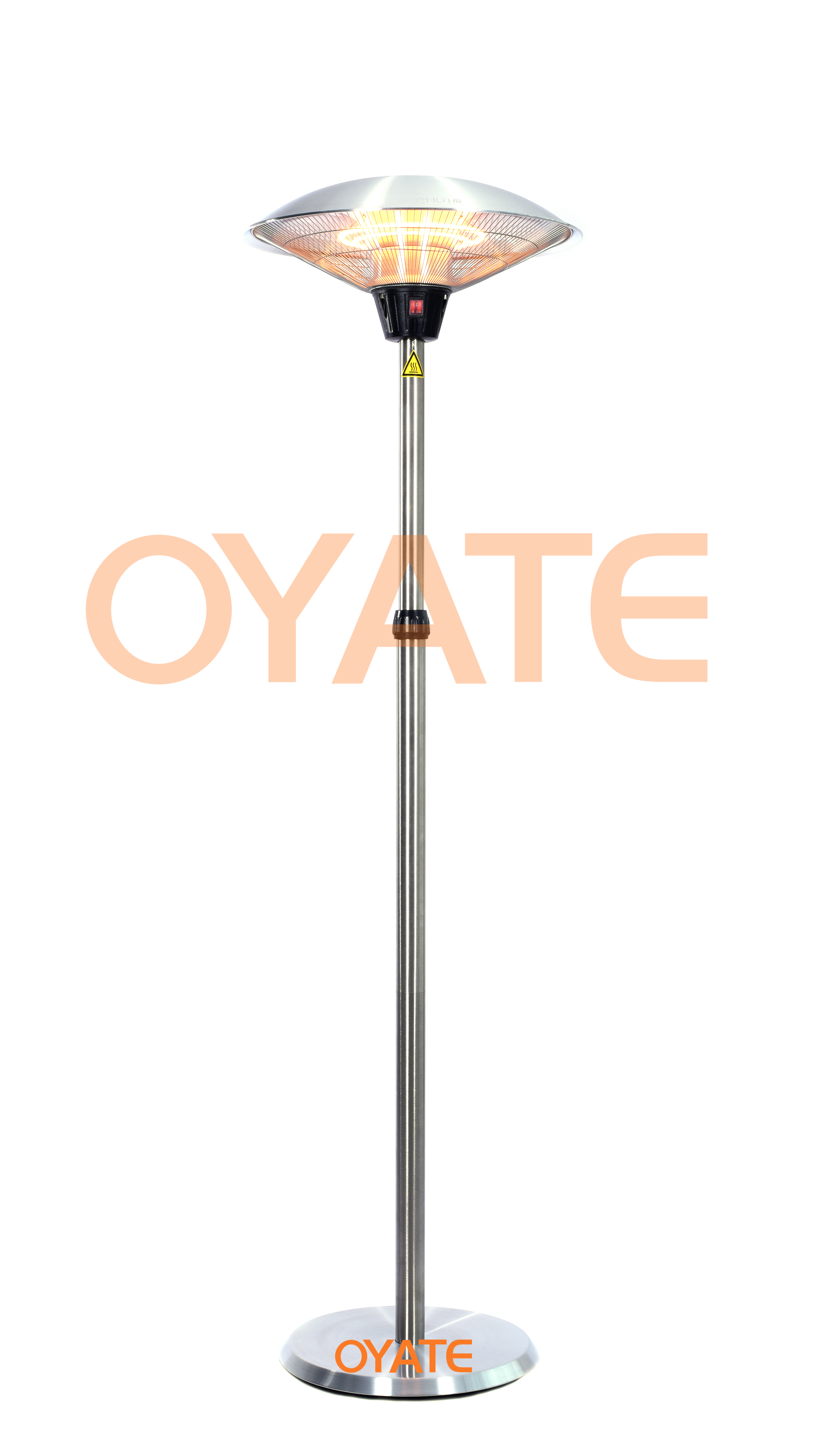
Ten years back, we were the folks quietly building heaters for other brands. That work taught us what actually fails in the field—what overheats, what quits when the mercury dips. Now we’re putting that experience into our own infrared workshop heaters, built to the same standard we’d accept anywhere in the world.
What matters, technically
Infrared warmth is direct. Our heaters run on a carbon fiber element that puts out medium-wave radiant heat, warming people and workpieces—not the air around them. You feel the comfort almost instantly, even in drafty spots. Power choices are practical: 1.5 kW to 3.0 kW, with standard 120 V plugs so integration is straightforward. A built-in thermostat holds the temperature steady, and tip-over protection shuts the unit down if it gets knocked over. The housing is sealed for real-world conditions, handling dust and moisture without drama.
Why this works in a workshop
Shops can’t afford to wait for the air to warm up. With radiant heat, you get heat within seconds, so work keeps moving. Paint finishes cure more evenly, adhesives stay workable, and hands stay nimble. Because the heat is aimed where it’s needed, energy use stays reasonable, and the heater doesn’t cycle as much as convection units do. We’ve run these for thousands of hours on test stands and in actual shops, and they keep delivering steady output season after season.
The details that make the difference
Infrared does its best when the heater has a clear line of sight to the target. Don’t mount it where shelves, machinery, or stacked materials block the beam. For larger workshops or high ceilings, plan on multiple units to avoid cold spots. And while the housing resists dust and moisture, it’s not built for direct water exposure—keep it out of heavy rain and washdown areas. Plug it into a dedicated outlet, give it some breathing room, and it’ll give you the same reliable warmth, day after day.