
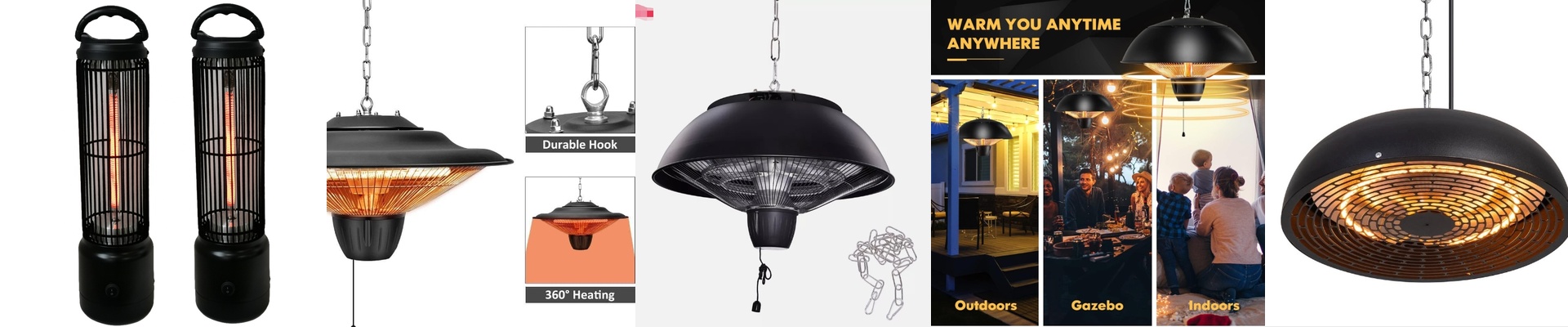
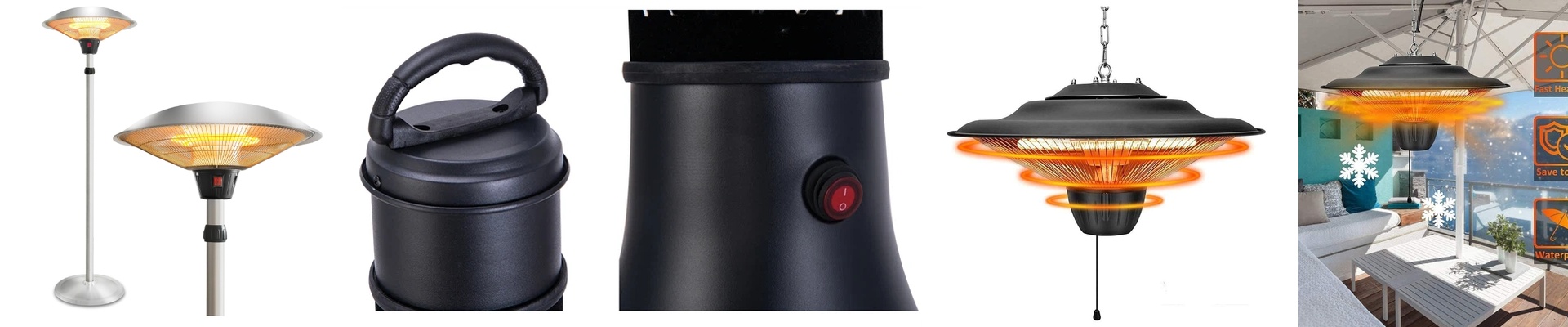
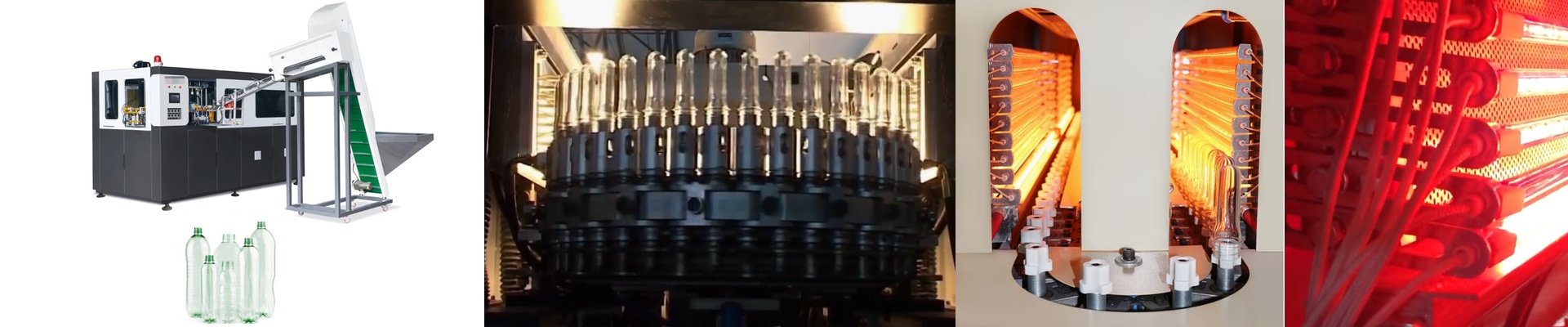
When the rush hits, your rotary oven can’t afford hot spots or that lag when it tries to recover. One uneven bake wrecks the crust, the color, and throws your whole tray schedule off. The circular ceramic heater is the kind of component that keeps the baking chamber steady—even when you’re popping the door and the load keeps changing. What actually matters under the hood The circular ceramic heater lays down even infrared across the full ring, so heat reflects consistently around the rotating hearth. It comes up to temperature fast, settles on setpoint quicker than a lot of conventional elements, and holds it with tighter tolerance. In real work, that means crust sets the same way every time and caramelization stays controlled, batch after batch. The ceramic body takes thermal shock better than open-coil designs, and the compact profile fits standard rotary oven chambers without choking airflow. Here’s why it earns its keep in a busy shop. A rotary oven in a commercial bakery runs long hours—back-to-back, with frozen, par-baked, and fresh dough all in the mix. The circular ceramic heater recovers quickly, so you keep the schedule instead of stretching bake times to catch up. Because the heat is even, you don’t have to babysit pans or run extra cycles just to fix color. That adds up to more trays per hour, fewer giveaways, and lower energy use per bake cycle. The element also ages predictably, so you can plan maintenance instead of scrambling after a failure. A few practical notes before you order. Installation is straightforward on compatible rotary ovens, but you still need to verify clearance and mounting tolerances against your specific model. The heater performs best with a clean chamber and unobstructed airflow—heavy grease buildup can push temperatures up right at the element surface. Plan on a matched thermostat or control profile to get the full benefit, and confirm voltage and connector compatibility before you pull the trigger.