Stop Heating Your Roof: A Smarter Way to Handle High Ceilings
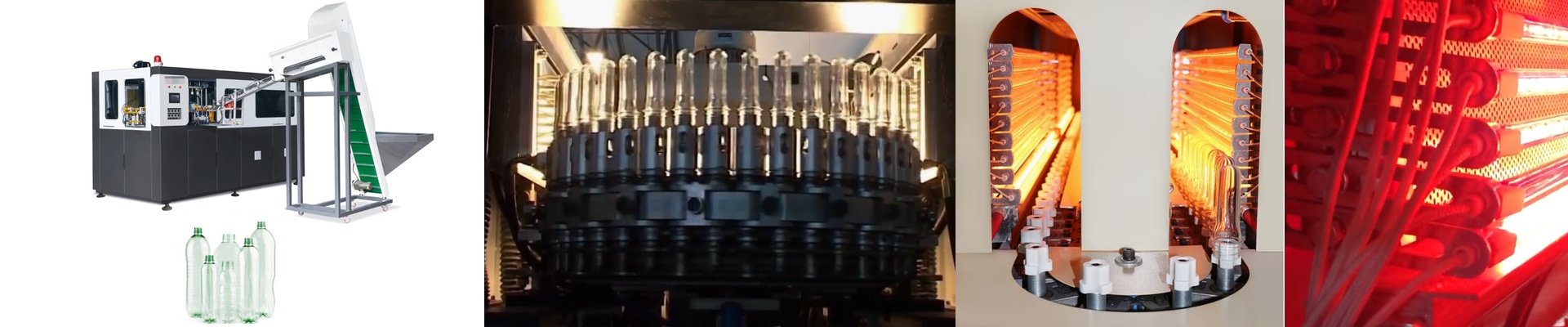
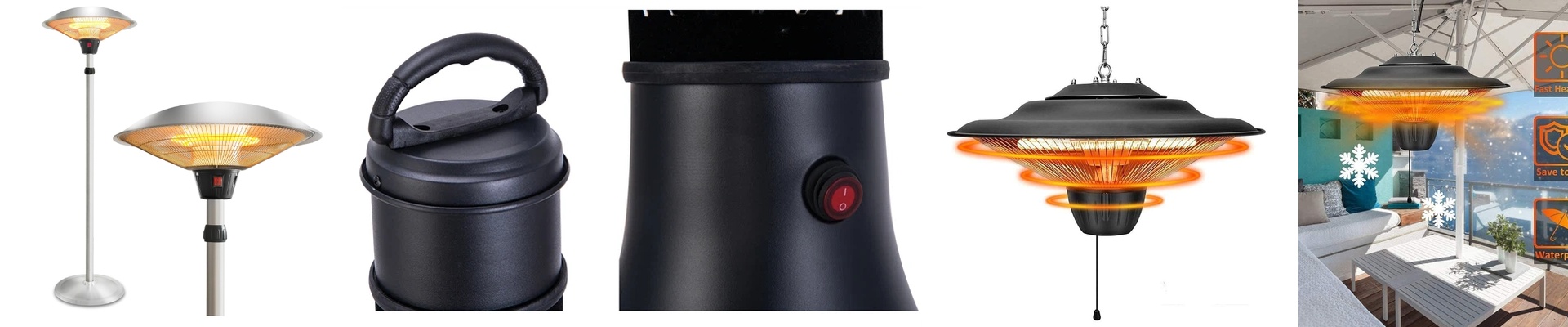
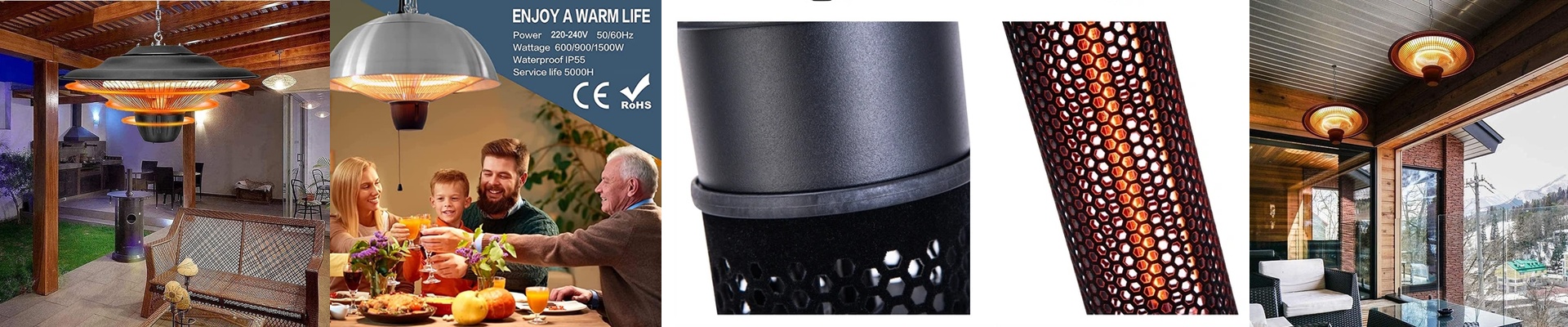
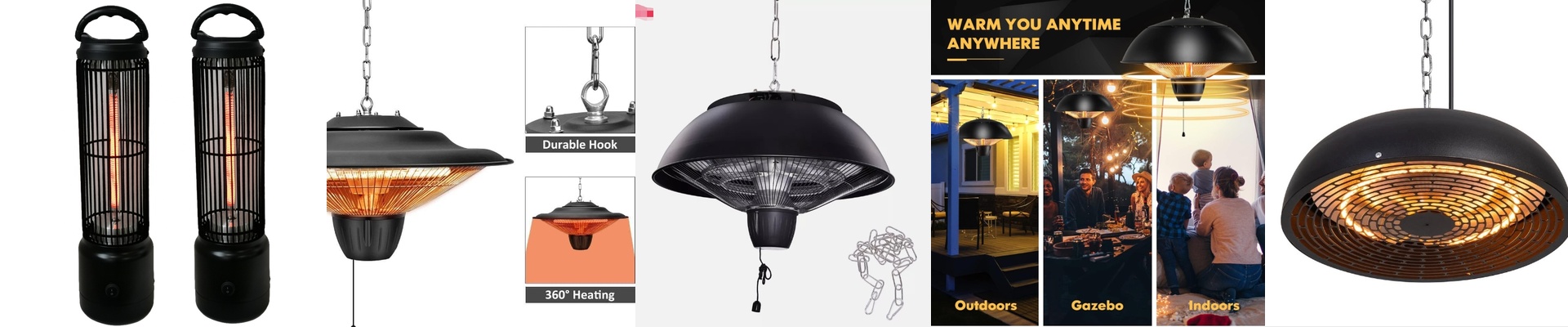
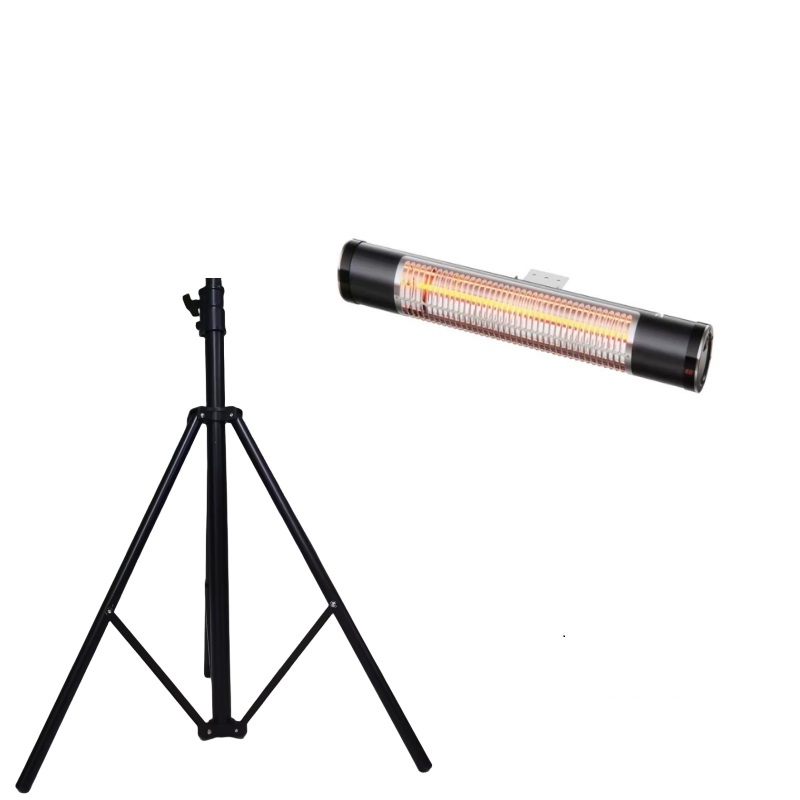
Trying to heat a factory floor with high ceilings is basically a losing battle. If you use those old-school forced-air systems, the heat just floats straight up. You end up paying to warm the roof while your team is shivering on the ground. That’s why we use infrared (IR) radiators. Instead of trying to warm the air, they beam heat directly onto the people and the floor. But the real magic happens when you stop flipping switches by hand and connect the whole thing to a smart system.
Getting That “Instant Spring” Feeling
There’s nothing worse than walking into a freezing warehouse in January. To fix that, we hook the IR hardware up to an IoT gateway. Now, here’s the technical bit: industrial IR lamps pull a ton of power. You can’t just plug them into a cheap smart plug. We use heavy-duty contactors or Solid State Relays (SSRs) and wire those into a controller using Modbus or Zigbee. The result? You hit a button on your phone or a timer kicks in, and the circuit closes. No waiting around for a furnace to kick in. Those quartz elements hit full blast in seconds. It’s fast. Really fast.
Don’t Burn Out Your Gear
Smart control is about more than just a remote. We usually tie the system into motion sensors and temperature probes. If nobody is in the zone, the heat shuts off. Simple. But a word of warning:don’t cheap out on the wiring. High-wattage arrays pull a massive amount of current. If you use a flimsy smart switch that isn’t rated for inductive loads, you’ll likely fry the relays within a month. Stick with a dedicated industrial magnetic starter to do the heavy lifting.
Making it Work in the Real World
Once this is all on a central dashboard, you can actually zone your space. You can keep the packing station cozy while leaving the storage racks cold. It saves a fortune on the electric bill. Just keep one thing in mind: IR is line-of-sight. It works like a flashlight. If you put a conveyor belt or a mezzanine floor between the radiator and your worker, the heat just stops. Make sure your layout makes sense before you bolt everything to the ceiling. Put the sensors where the people actually stand, and you’re golden.