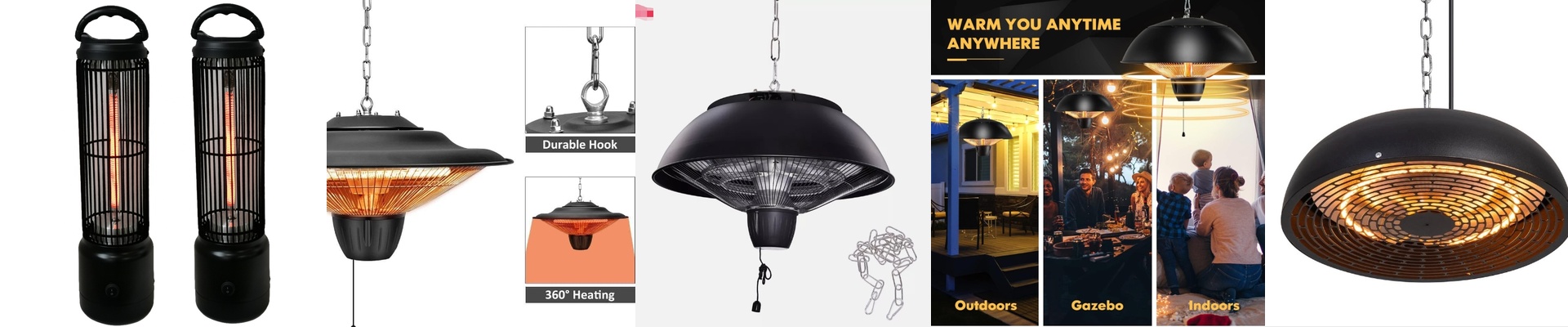
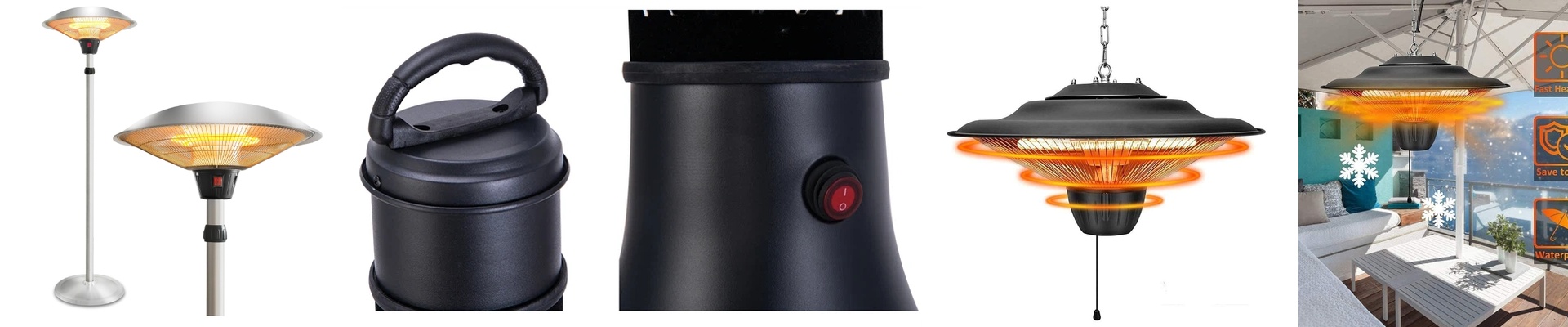
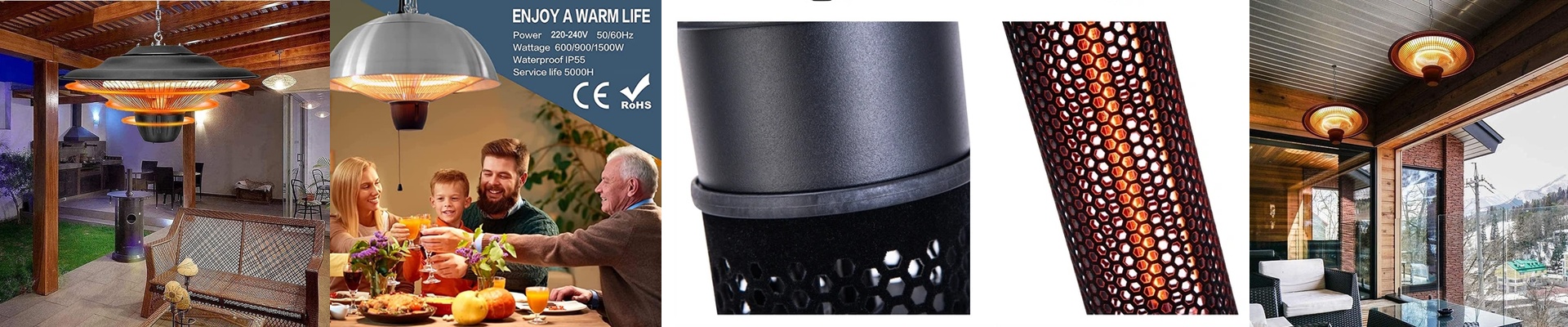
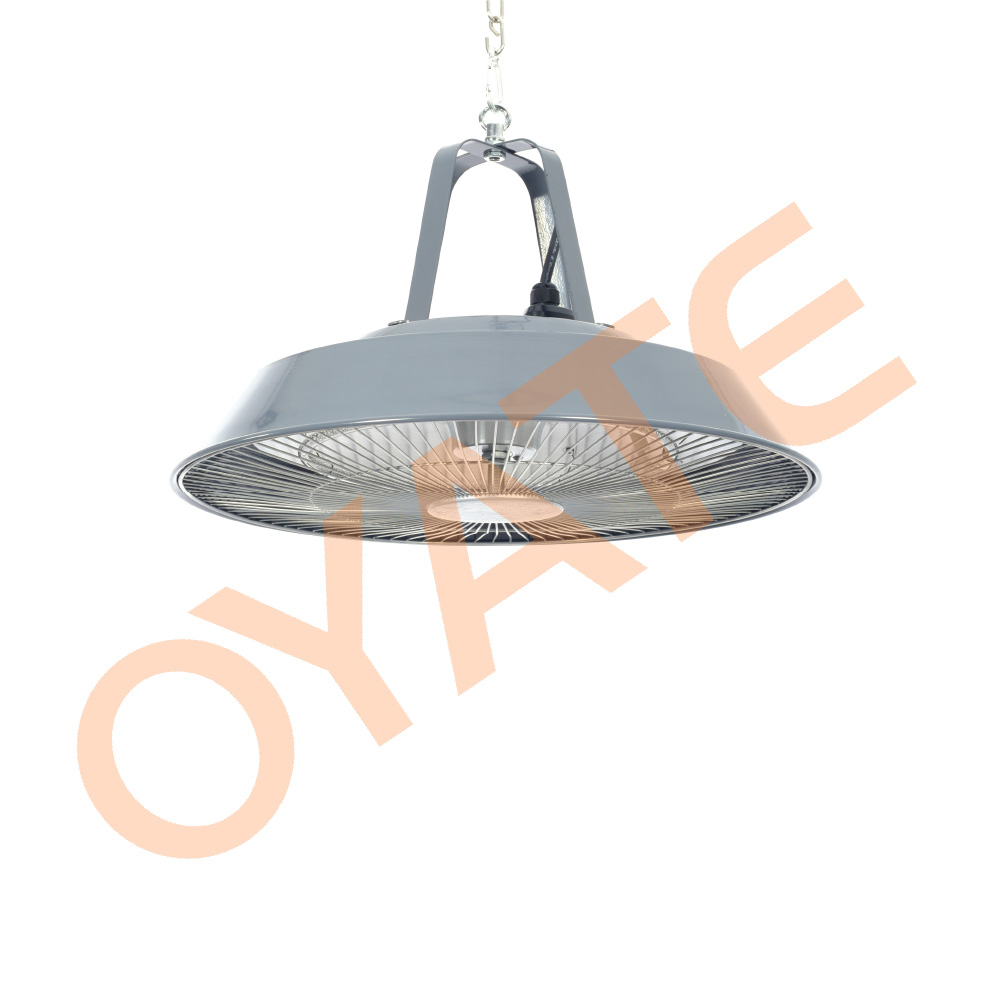
Keeping Things Safe: The Reality of Bathroom Infrared Heaters
Let’s be honest—putting a heating lamp in a bathroom is a bit like playing with fire. Well, not literally, but you’re mixing high-voltage electricity with steam and splashing water. That’s a recipe for disaster if you’re using some generic heater. You need a setup that’s totally sealed. No leaks, no shortcuts. Just a heater that does its job without turning your shower into a hazard.
Dealing with the Steam
Here’s the thing about water vapor: it loves to conduct electricity. When steam settles on your connections, it creates a little bridge that lets current sneak from the live wire right into the frame of the heater. Not great. We handle this by using heavy-duty barriers and housings that actually seal. We pick materials that stay strong and insulating even when they’re soaking wet. It stops that “creepage” effect—where electricity basically crawls across a damp surface—and keeps everything where it belongs. Just make sure your heater is rated for the specific “zone” of your bathroom.
Plugging the Leaks
Most of these units fail at the same spot: right where the power cord hits the lamp. If you use a basic open socket, the humidity will eat the contacts alive. You’ll get corrosion, then sparking, and then—pop—it’s burnt out. To stop that, we use gaskets and a special potting compound that basically locks the steam out for good. And we don’t mess around with grounding. We keep the ground path physically separate from the heating element. That way, if something does go wrong, the GFCI trips instantly. It shuts everything down before the fixture even has a chance to get energized.
The Balancing Act
Now, you can’t just wrap a heater in a plastic bubble and call it a day. If you seal a unit too tightly, the heat has nowhere to go. It gets trapped inside, and over time, that “heat soak” can actually melt or degrade the wire insulation. It’s a trade-off. We spend a lot of time calibrating the vents. The goal is to let the air breathe so the internals stay cool, but keep the design tight enough that a stray spray of water can’t get inside. It’s all about finding that sweet spot.