Stop Letting Your Patio Go Cold This Winter
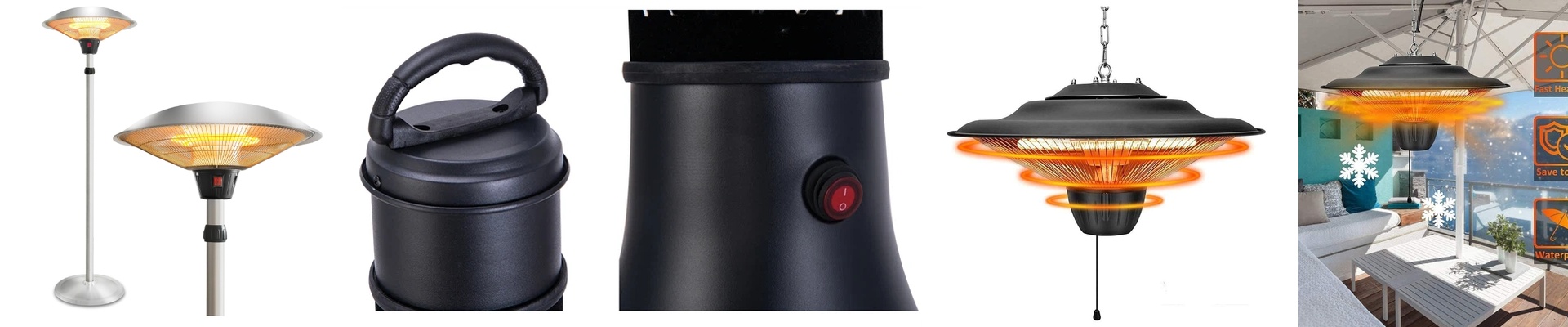
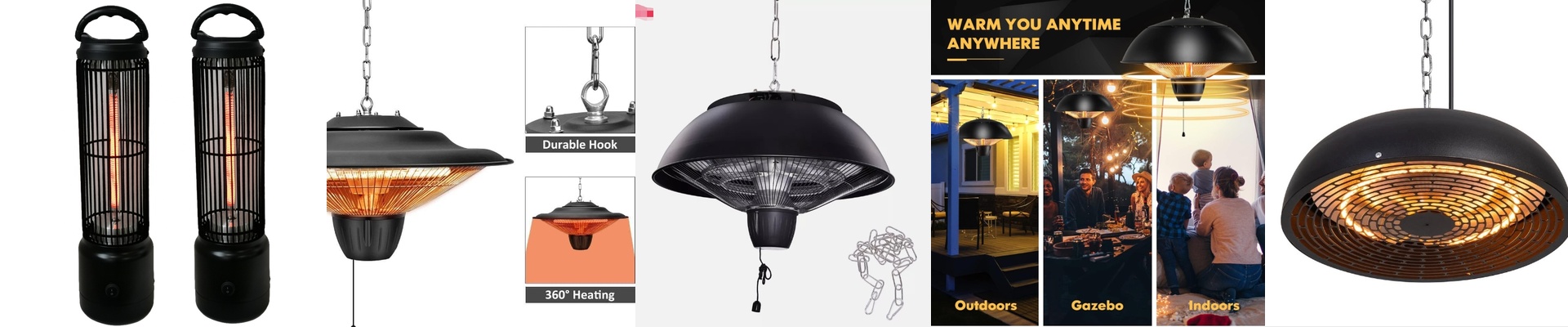
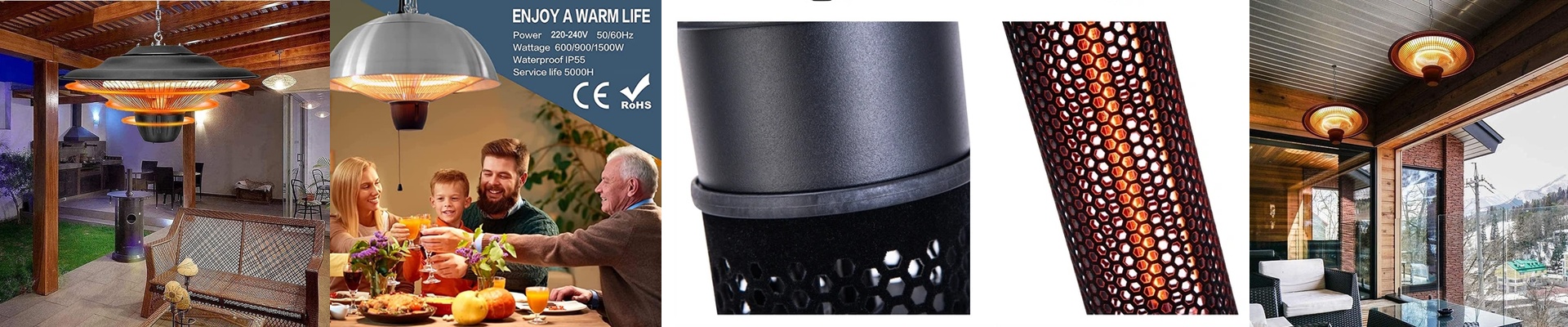
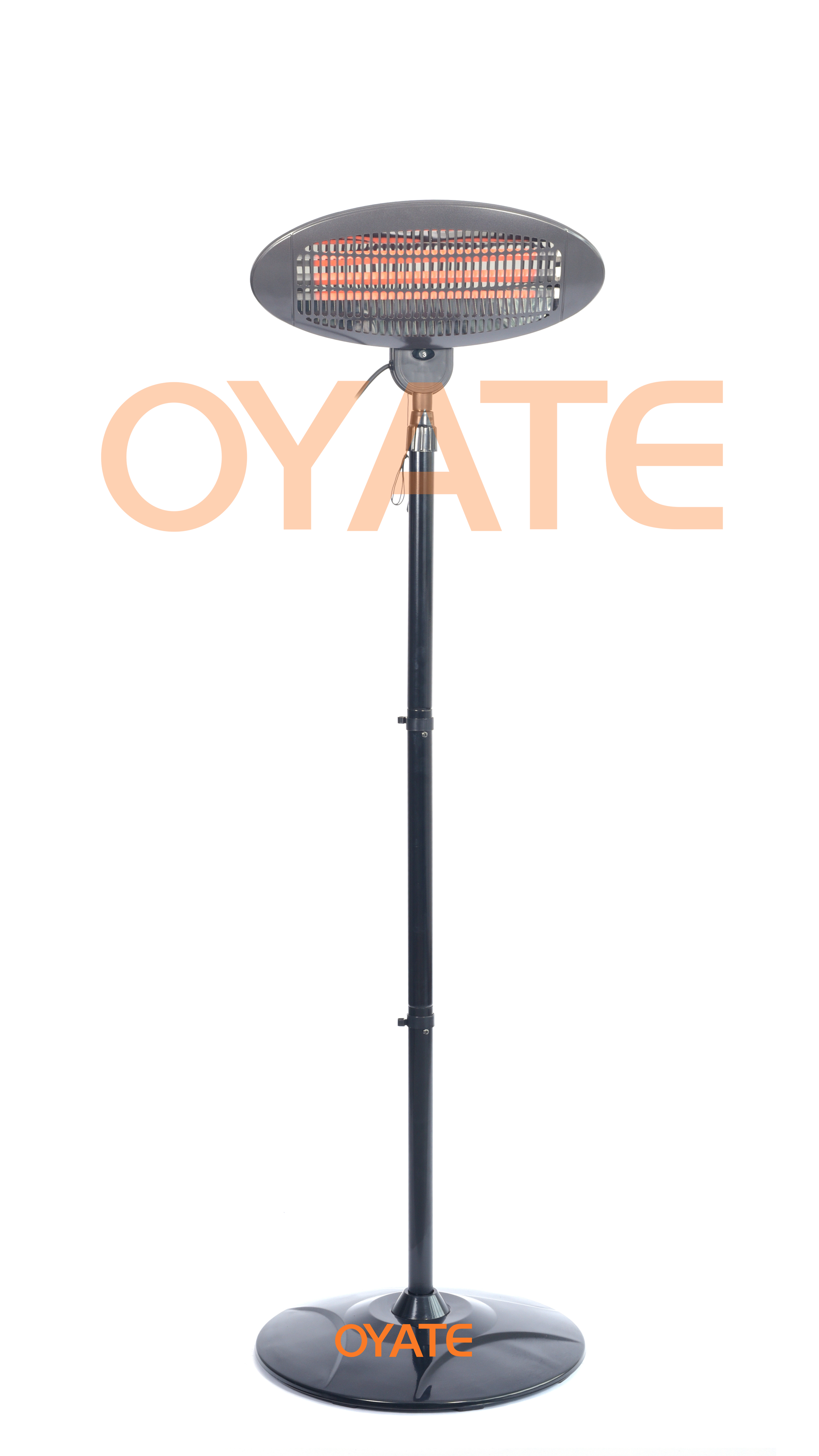
It’s a frustrating sight: a beautiful outdoor dining area sitting completely empty just because the temperature dropped. Most people try to fix this with those big forced-air heaters, but in an open-air space, that’s basically like trying to heat the outdoors. The warm air just floats away the second it hits a breeze. That’s why we stick with ceiling-mounted infrared heaters. Instead of fighting the wind, these heaters send warmth straight to the people and the furniture. It’s an entirely different feeling.
How it actually works
Think of it like the sun. You can feel the sun’s warmth on your skin even when the air around you is crisp. We set these units up to create a “warm zone” right over each table. The result? Your guests feel like they’re sitting in a cozy 72°F (22°C) bubble, even if it’s freezing just a few feet away. And because you aren’t trying to heat the entire street, you aren’t wasting a ton of electricity. Plus, there’s no “warm-up” period. The second a customer sits down, they feel that hit of warmth. It’s instant.
The bottom line for your business
At the end of the day, an empty table is lost money. When a patio feels chilly, people rush through their meals or avoid the outdoor section entirely. But when guests are actually comfortable, they linger. They stay for that extra round of drinks or order a dessert they weren’t planning on. You’re essentially getting more usable square footage out of your property without having to rent more space or build an addition.
A few things to watch out for
You can’t just slap these on the ceiling and hope for the best. The height matters. If you hang them too high, the heat thins out and your guests will still be shivering. But if they’re too low? You’ll end up with guests who have toasted heads and freezing toes. We usually suggest overlapping the heat zones so there aren’t any “cold spots” when people move between tables. One last thing: these units pull a lot of power. Before you go all-in, have someone check your electrical panel. You don’t want to find out your breakers can’t handle the load right in the middle of a Friday night rush.