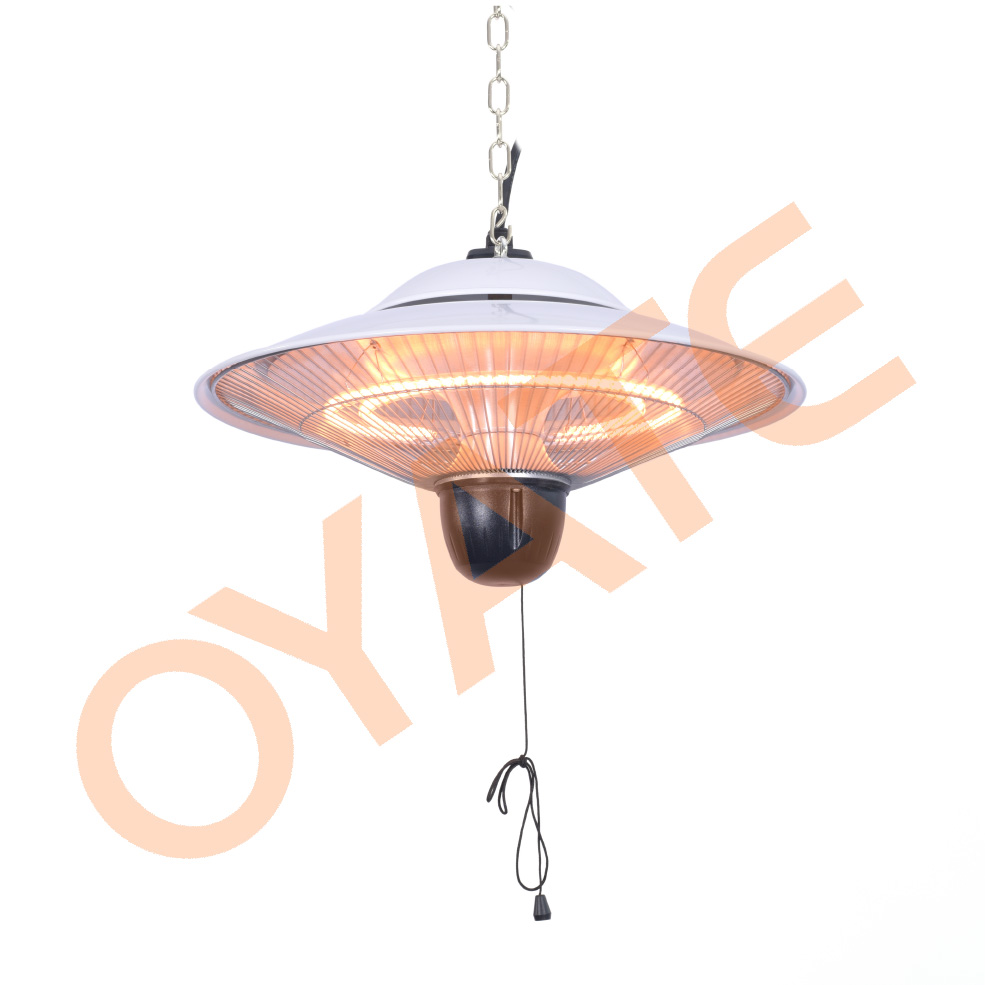
Why Your IP65 Infrared Heaters Keep Shorting Out (And How to Fix It)
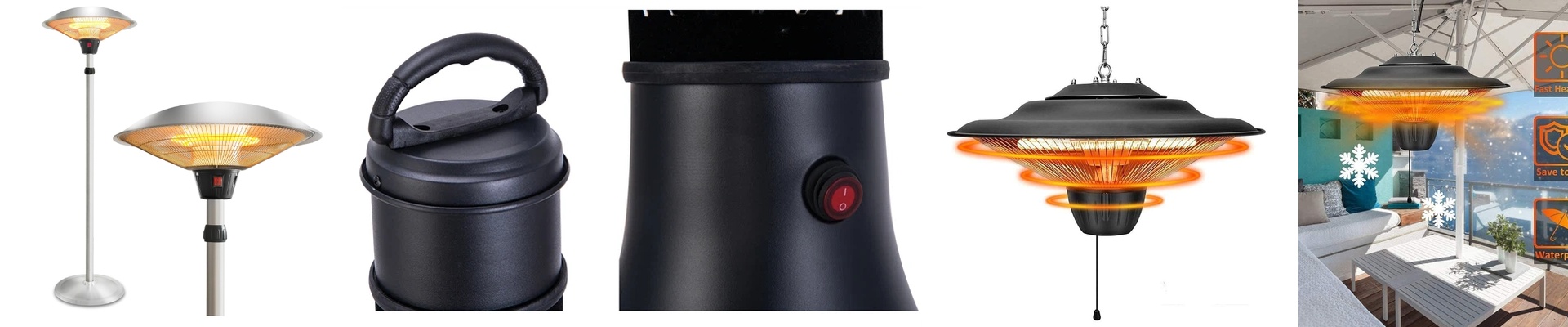
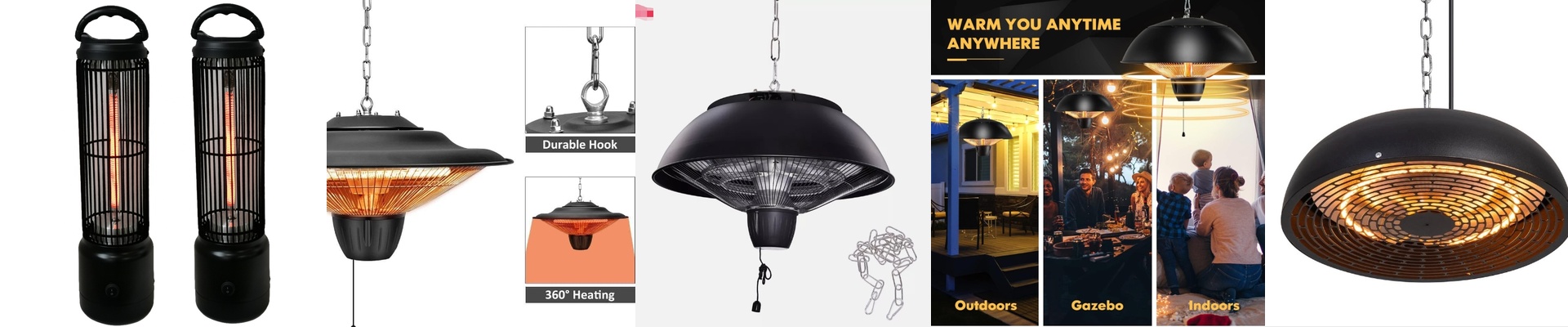
Here is a frustrating truth: most IP65 infrared heaters don’t actually die because the heating element burns out. That’s rarely the problem. The real culprit? The lead-wire seals. When these units live in high-heat environments, standard seals just can’t keep up. They get tired. They crack. And once that happens, moisture and grime sneak inside, causing carbonization that leads straight to a short-circuit. It’s a headache nobody needs. The heat struggle Think about how the heat moves. It travels from the quartz tube right toward the electrical connections. In a lot of cheap, “commodity-grade” heaters, the seal is basically just a glob of silicone. The problem is that silicone doesn’t handle constant heating and cooling very well. It shrinks. It gets brittle. Eventually, a tiny gap opens up between the wire and the seal. That little gap is where the disaster starts. Doing it the right way To actually stop those shorts, you need a sealing process that doesn’t quit. We use high-temperature epoxy resins and gaskets that actually “move” with the glass and metal. When the heater ramps up to peak temperature, the seal expands and contracts along with the materials. It stays tight. A real IP65 seal does more than just keep water out—it manages the “heat soak.” We also use reinforced lead-wires with fluoropolymer insulation. It feels sturdier because it is. Those wires won’t melt or crack, even when the thermal stress is constant. One thing to keep in mind There is a trade-off here. Because the sealing is so robust, the point where the wire exits the unit is pretty rigid. You can’t just bend those wires sharply right at the seal. If you do, you risk cracking the potting, and you’re right back where you started. When you’re wiring these up, leave yourself a decent service loop. Give the wire some room to breathe. If your setup is really tight and you don’t have that space, just let us know. We can spec out a custom cable length for you so there’s no mechanical stress on the seal. It takes a little more planning upfront, but it beats replacing a shorted-out unit six months from now.