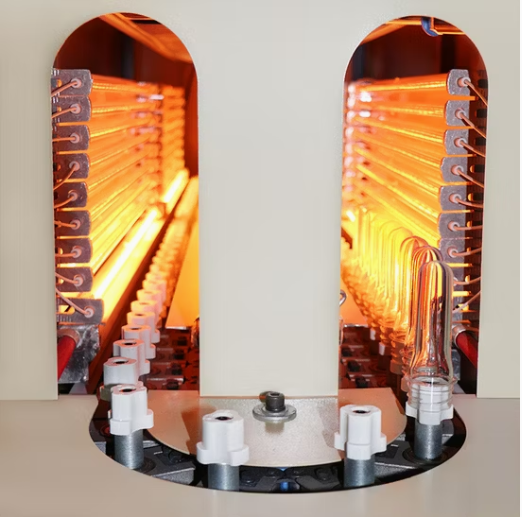
Why Sidel Heater Lamps Turn Black (And Why It’s Actually a Good Sign)
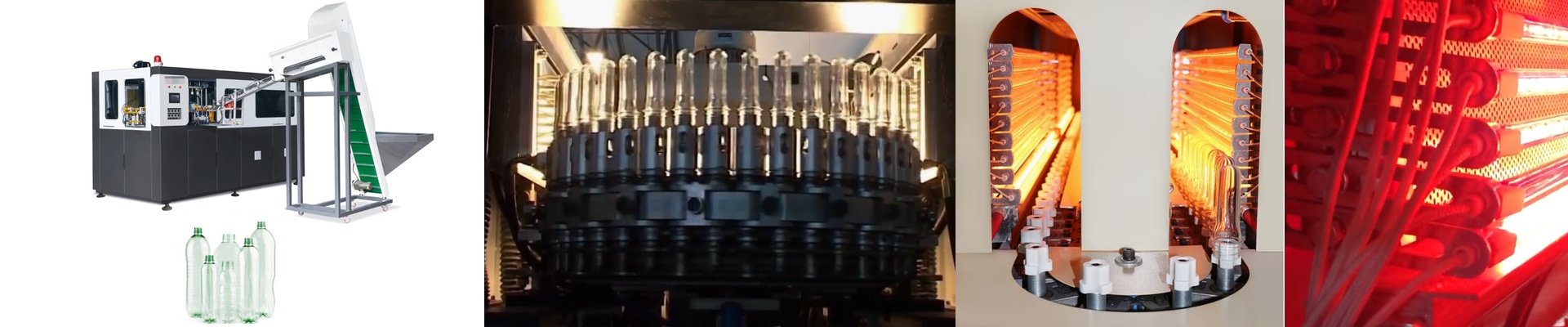
We’re the folks who keep the world’s blow-molding lines humming, supplying the infrared heating elements that do the heavy lifting. When you ask why Sidel heater lamps turn black, you’re touching on something deeper: the real-world science needed to survive extreme heat, high voltage, and nonstop cycles. These aren’t just parts—they’re the reliable, drop-in replacements your maintenance team can wire up and forget about.
Power, Voltage, and Fit: It’s All About the Details
Here’s the thing: we don’t just match a socket. We match the machine’s real thermal needs. Higher wattage packed into a small tube? That equals intense heat density. And that’s exactly what you need to heat the PET parison fast and evenly. We pair the right voltage—usually 400V—to what your line already has, so you get the power you need without overloading anything. And the size? Critical. The length and diameter are held to tight tolerances so the lamp fits the reflector and heater block like a glove. Get the dimensions wrong, even by a hair, and you’re looking at uneven heating and hot spots.
The Secret Inside: Halogen, Quartz, and the R7s Connector
That blackening you see? It’s filament material moving around and settling on the inner wall. We fight this with a clever halogen cycle that sweeps tungsten back onto the filament. This keeps the heat output steady, hour after hour, for thousands of cycles. The envelope itself? High-purity quartz. Not regular glass. It has to handle scorching temperatures, sudden thermal shocks, and the harsh chemical environment inside the heater chamber. And the R7s connector isn’t there by accident. It gives you a solid, two-point contact that can handle the current and the expansion and contraction without ever loosening up.
What This Means for Your PET Blow Molding Line
On the line, your heater has to hit precise temperatures, again and again. Our lamps deliver that consistent infrared heat, so the parison gets to the perfect stretch temperature without scorching. The mix of halogen chemistry, tough quartz, and the R7s connection means quicker swap-outs and way fewer surprise stoppages. Just one trade-off: that intense heat density needs proper cooling and clean airflow around the heater. Keep the chamber clean, and the lamp will keep doing its job—steady, reliable, and keeping your uptime where it needs to be.