
Winter nights have a way of turning the bedroom into a tug-of-war between warmth and quiet. The moment a heater starts clicking, whirring, or cycling on and off, you’re awake—even if the room is technically warm. We built our WiFi space heater around one simple idea: comfort shouldn’t come with noise.
What matters under the hood
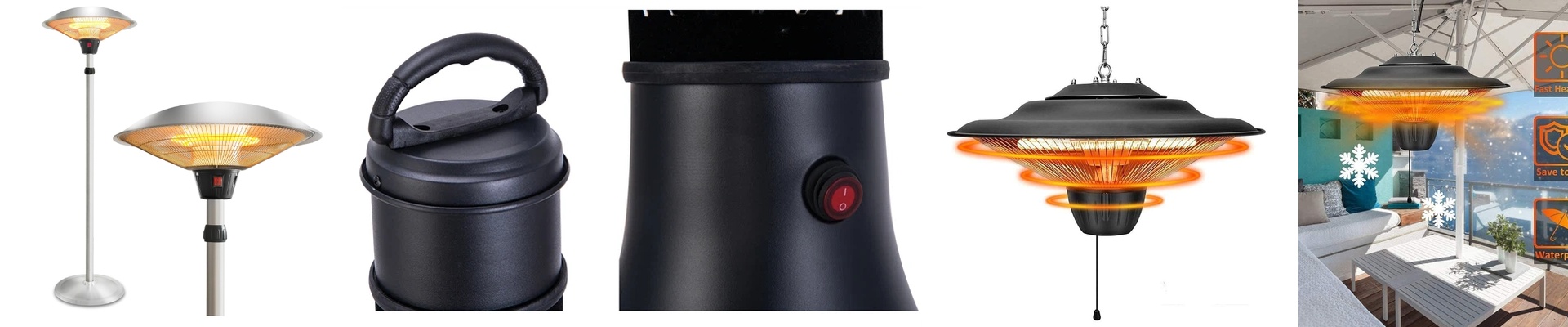
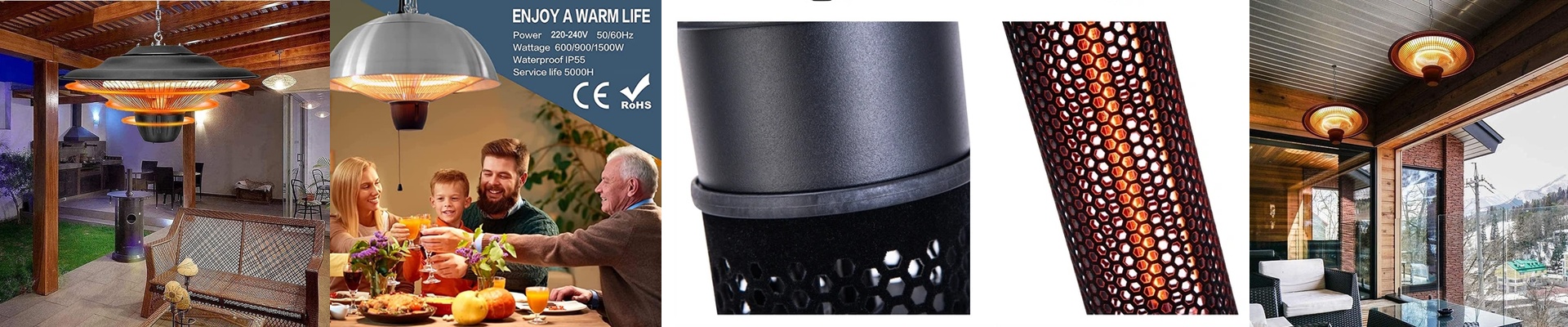
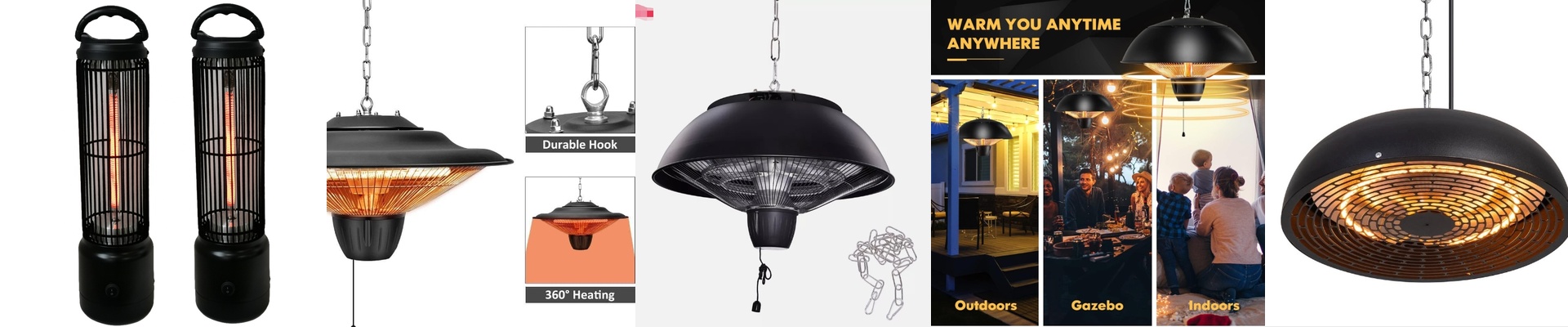
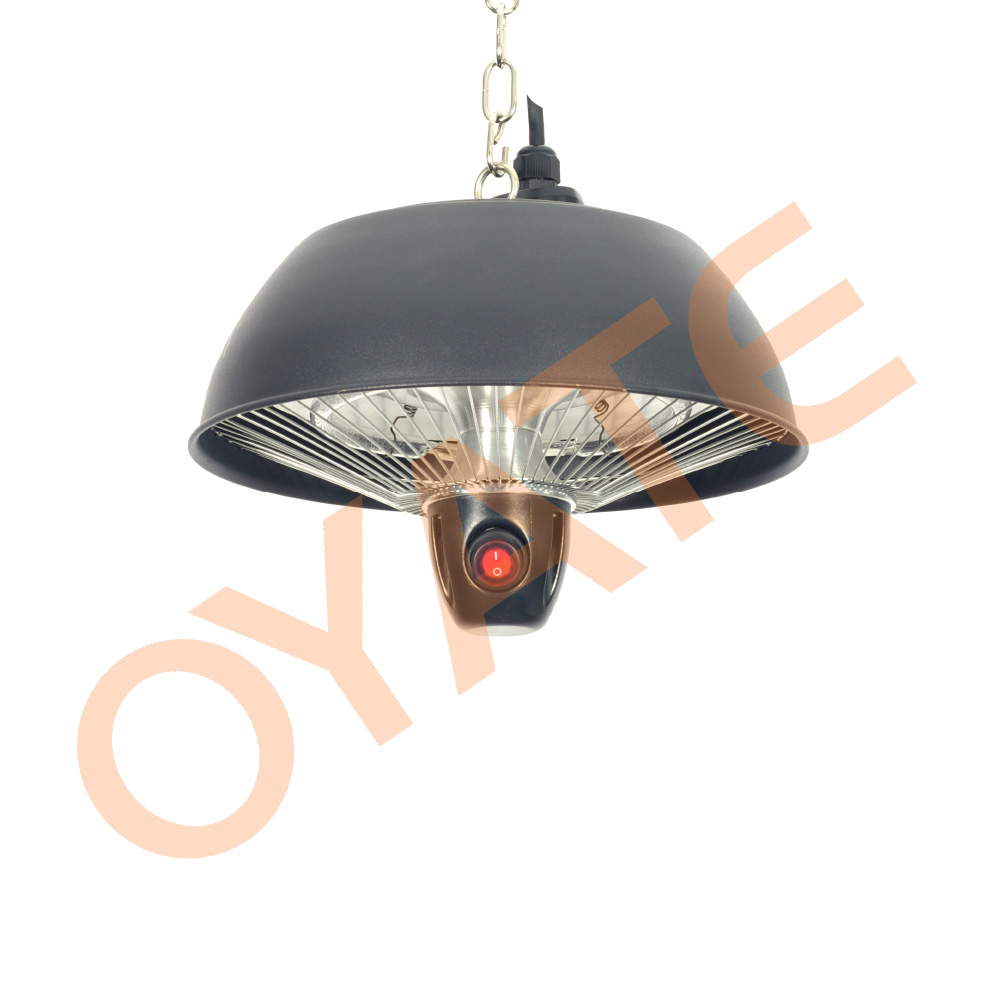
We lean on infrared radiant heat, using a carbon fiber heating element. It warms people and surfaces directly, instead of pushing air around the room. Fewer moving parts means less mechanical noise. There is a whisper-quiet fan if you want gentle circulation, but most nights you won’t need it. Control stays tight with a built-in thermostat, and the unit is designed for 120V household outlets, pulling 1.5 kW. The WiFi link runs on 2.4 GHz—chosen for better home coverage and dependable scheduling through the app. On the safety side, you get overheat protection and tip-over protection that shuts the heater off if it gets knocked over.
Why this works in a bedroom
In a bedroom, the target isn’t just temperature—it’s sleep. Infrared warmth helps you drop off faster because it knocks out the chill that keeps you tense under the covers. No fan noise, no compressor cycles—less disruption to light sleep. The steady radiant heat helps you settle into a deeper rhythm overnight. The WiFi control matters here, too. You can preheat from under the blanket, then set a quiet nighttime schedule. You wake up feeling rested, not jolted by a sudden kick-on.
The practical details
Infrared heat is directional, so place the unit where it reaches the bed and the main sitting spots. If you want whole-room warmth, the optional gentle fan helps distribute heat—but it adds a faint sound, so use it mostly in the evening. Plan for a standard 120V outlet on a dedicated circuit.**Skip the extension cord.**And because it’s WiFi, keep the heater within range of your router so scheduling stays stable.