Getting Your Bathroom Temp Right: A Quick Guide to Infrared Heaters
Nobody likes stepping out of a hot shower into a freezing bathroom. It’s the worst part of the morning. But if you’re picking out an infrared heater, you don’t want to just grab the most powerful one on the shelf. That’s a great way to waste money—or turn your bathroom into a sauna.
Finding the Right Power
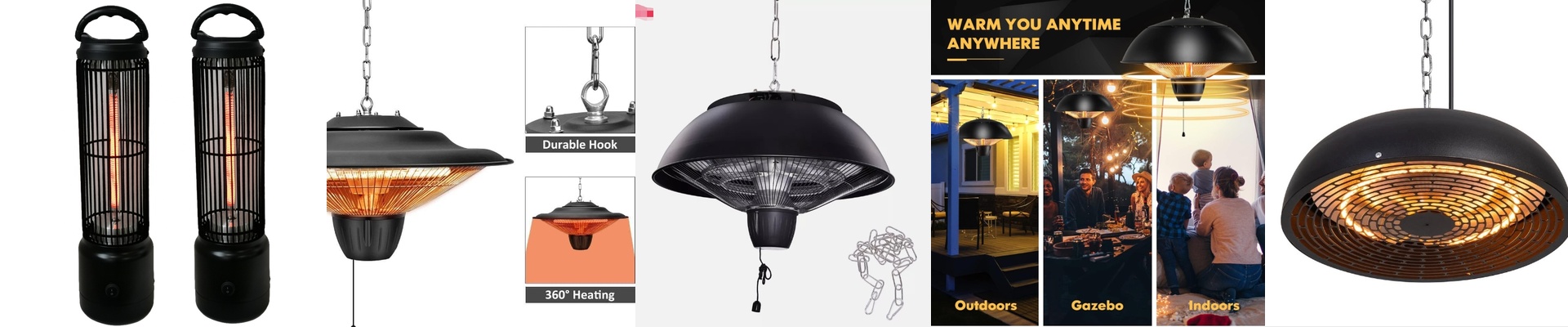
Here’s the thing: wattage depends entirely on your space. If you’ve got a tiny powder room, something in the400W to 600Wrange is plenty. If you go overboard and throw a 1200W lamp in there, you’re just burning electricity and creating a weird, oppressive heat pocket that feels unnatural. For those bigger master baths, you’ll probably want something between1200W and 2000W. The cool part about short-wave lamps is that they don’t bother heating up all the air in the room. They heat you directly. So, even if you have a drafty window or a gap under the door, you’ll feel that warmth the second you flip the switch.
The Waterproofing Trade-off
Since we’re talking about bathrooms, moisture is the enemy. We use IP-rated housings to keep steam and splashes from frying the circuits. But there’s a catch. Those waterproof seals can trap heat around the base of the lamp. Because of that, you’ve got to be careful with your wiring. Make sure your sockets can actually handle the wattage you’re installing, otherwise, you risk melting the insulation. We stick with quartz glass tubes for this. They’re tough. They can go from cold to scorching hot in a few seconds without cracking.
How to Actually Set It Up
Don’t try to heat the whole room. It’s a waste of energy. Instead, put the heater exactly where you’ll be standing—usually right by the vanity or just outside the shower. It’s all about targeted warmth. This keeps your main HVAC system from working overtime. And a pro tip: if you’re installing a few different units, use a zoned controller. It keeps things simple and stops you from overloading a single circuit and tripping your breaker in the middle of a shower.