Getting Real About Heat: Power, Voltage, and What Fits in Your Bathroom
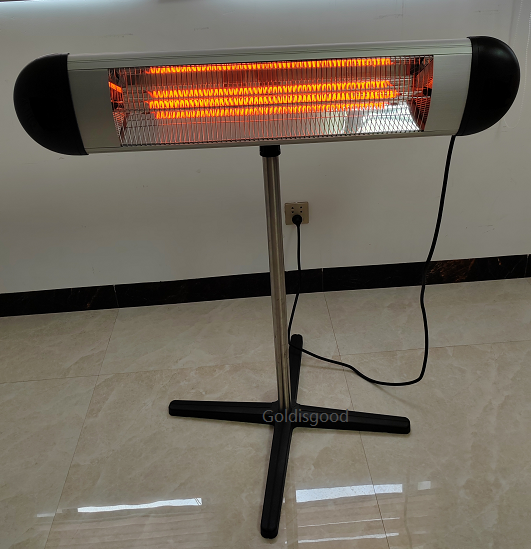
Here’s the thing about bathroom heating: you don’t want to waste time warming up empty air. You want warmth that hits you the second you step in. That’s exactly why we built our IP66 waterproof infrared heaters to send heat straight where it’s needed—like a sunbeam, but right on target. So how do you pick the right size? It comes down to the room. For a small bathroom (think 2–4 m²), a unit between 150 and 250 watts gives you that perfect spot of warmth. Medium spaces (4–8 m²) need a bit more muscle—300 to 500 watts keeps surfaces warm and helps dry things out fast. And if you’ve got a larger bathroom or high ceilings (8–12 m²), step up to 600–800 watts. That’s what it takes to fight the heat loss and get things toasty quickly. Then there’s the voltage choice, which is really just about what’s practical for your space. Standard 220–240 V models make the wiring simpler and keep the load on your circuits easy. But if you’re squeezing serious power into a tight footprint, the 400 V versions are the way to go. Just know they need a control panel that’s up to the job and a little extra thought around cooling. And tube length? That’s about matching the heat to the spot. Shorter tubes concentrate the heat where you want it. Longer tubes spread it out, covering a wider area.
The Inside Story: Tubes, Coatings, and Connections That Actually Hold Up
Inside every infrared lamp, you’ve got a halogen-filled quartz tube. It’s what gives you steady, reliable heat that kicks in fast. Quartz handles the sudden temperature shifts without cracking, and it shrugs off moisture like it’s no big deal. Behind the filament, a reflective coating pushes the heat forward where it’s useful, instead of letting it spill out the back. More usable warmth. Less waste. And in a wet room, connectors are not the place to cut corners. R7s end-caps give you solid, aligned contacts that fit standard sockets without fuss. SK15 connectors lock in place and make termination quick, which cuts down on install time—and those annoying wiring mistakes. The whole thing is sealed tight with IP66 gaskets and tough end caps, so splashes, steam, and even cleaning sprays won’t get inside. These heaters are built to last, but it’s smart to treat the tube as something you’ll replace down the road. Plan for easy access when that day comes.
Why This Works So Well in Bathrooms
Bathroom comfort is about warming people and surfaces, not fighting to heat the whole volume of air. Infrared does that beautifully. The warmth arrives the moment you need it, so you don’t have to run the heater as long as a convection heater. Less runtime means less energy used, and less strain on your ventilation. Matching power and tube length lets you dial in the coverage exactly. A 300 W unit can keep towels dry and make a small zone feel cozy. Step up to 600 W, and you’re taking the chill off cold tiles and keeping a bigger area comfortable. And with an IP66 rating, you can relax knowing the heater will keep doing its job even in thick steam, splashes, and regular cleaning. There is a trade-off, though. More power means faster response, but it also means you need to manage heat and spacing carefully. Give nearby materials the right clearance, set the mounting height, and make sure the control wiring matches the heater’s power and voltage. When you get those details right, you end up with predictable warmth, a clean install, and performance you can count on—even when the air is thick with humidity.