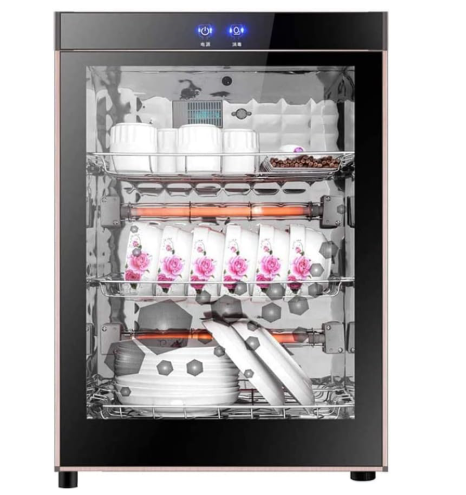
Getting the Perfect Bake with Nichrome IR Elements
If you’ve spent any time with high-end baking, you know that just keeping the oven “hot” isn’t enough. To get that perfect contrast between a shattering crust and a soft, airy crumb, you have to play with the temperature in stages. That’s why we use Nichrome-based infrared (IR) heaters. They’re fast. Like, “blink and you missed it” fast.
Why speed actually matters
Most heating elements are just too chunky. They take forever to warm up, and once you turn them off, they keep bleeding heat into the oven for way too long. It’s frustrating because you end up overshooting your target temperature. Nichrome IR heaters are a different beast. They turn electricity into short-wave radiation almost instantly. The second you cut the power, the heat stops. This lets us do what we call “step-wise” control. You can jump between temperature settings rapidly, hitting your marks exactly without the usual thermal lag.
The nitty-gritty on the hardware
These heaters pack a lot of punch into a tiny footprint. We did this on purpose. By concentrating the power, the heat hits the surface of the dough immediately, so you don’t overcook the inside while waiting for the outside to brown. If you’re setting these up, pair them with a PID controller or a PLC and some high-speed Solid State Relays (SSRs). That’s how you get that snappy, responsive switching.
A few things to watch out for
Now, this kind of speed comes with a catch. Because these elements are so intense, they create some serious localized heat. If your oven’s chassis or airflow isn’t built for that kind of radiant load, you might run into trouble—think warped housing or fried wiring. Also, make sure your sensors are tucked in close to the heat source. If they’re too far away, the feedback loop lags, and you lose that precision we’re after.
Getting them installed
The good news? These are basically drop-in replacements for those old-school convection tubes. We designed them to fit standard brackets, so upgrading an old line isn’t a nightmare. Just one tip: use high-temp lead wires. Trust me, you don’t want your insulation melting during a peak cycle.