Fixing Those Annoying Cold Spots in Your Rotary Oven
Ever pull a tray out of the oven and find the middle is perfectly browned, but the edges are still pale? It’s a nightmare. We see it all the time in big kitchens. You’re fighting with the equipment just to get a consistent bake, usually because the heating elements aren’t strong enough to push heat across that gap between the lamp and your food.
Why the edges stay cold
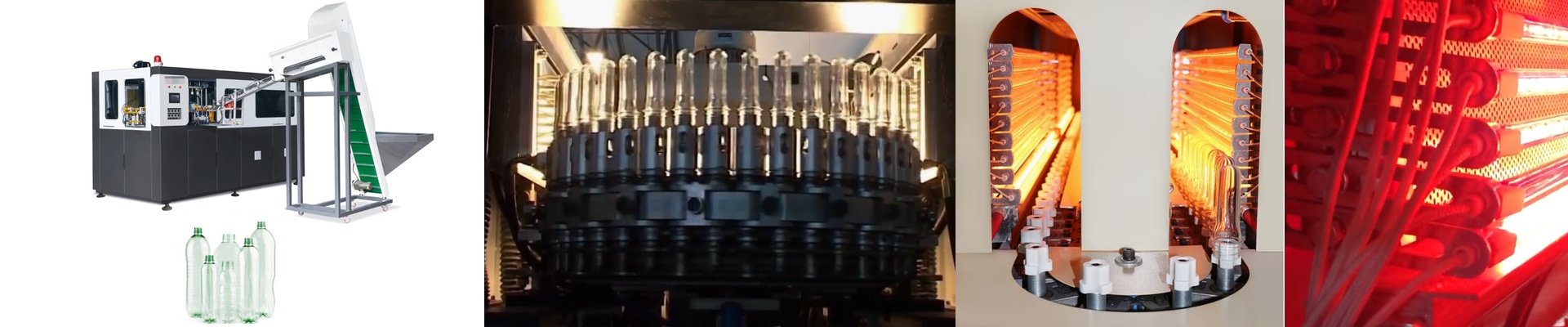
The trick to fixing this is using shortwave infrared lamps. Think of it this way: standard heaters rely on the air moving around (convection), but that air often fails right at the edges of the oven. These infrared lamps don’t care about the air. They shoot energy straight into the surface of the food. We use high-wattage density lamps so the heat stays steady from one end of the tube to the other. The second you flip the switch on a high-output quartz lamp, the surface temperature jumps. No more guessing. No more pale edges.
Getting them installed
We designed these to be simple drop-in replacements. You shouldn’t have to tear your whole oven apart just to get better heat. We use high-purity quartz glass because it can handle the shock of heating up and cooling down quickly without snapping. Plus, we stick to standard R7s or SK15 connectors. They just slide right into your existing sockets. One quick heads-up, though. Keep an eye on your voltage. If you’re swapping a 230V lamp for something with more punch, check your current draw. You don’t want to push too much power through old wiring or spend your afternoon resetting tripped breakers.
The trade-off (and how to handle it)
Here’s the deal: this kind of heat is powerful, but it puts more stress on the filament. You’ll get that beautiful, consistent browning you’re looking for, but you have to take care of the gear. Keep those quartz tubes clean. If grease builds up on the glass, it creates hot spots that can actually crack the tube. Just give them a regular wipe-down and they’ll keep humming along.