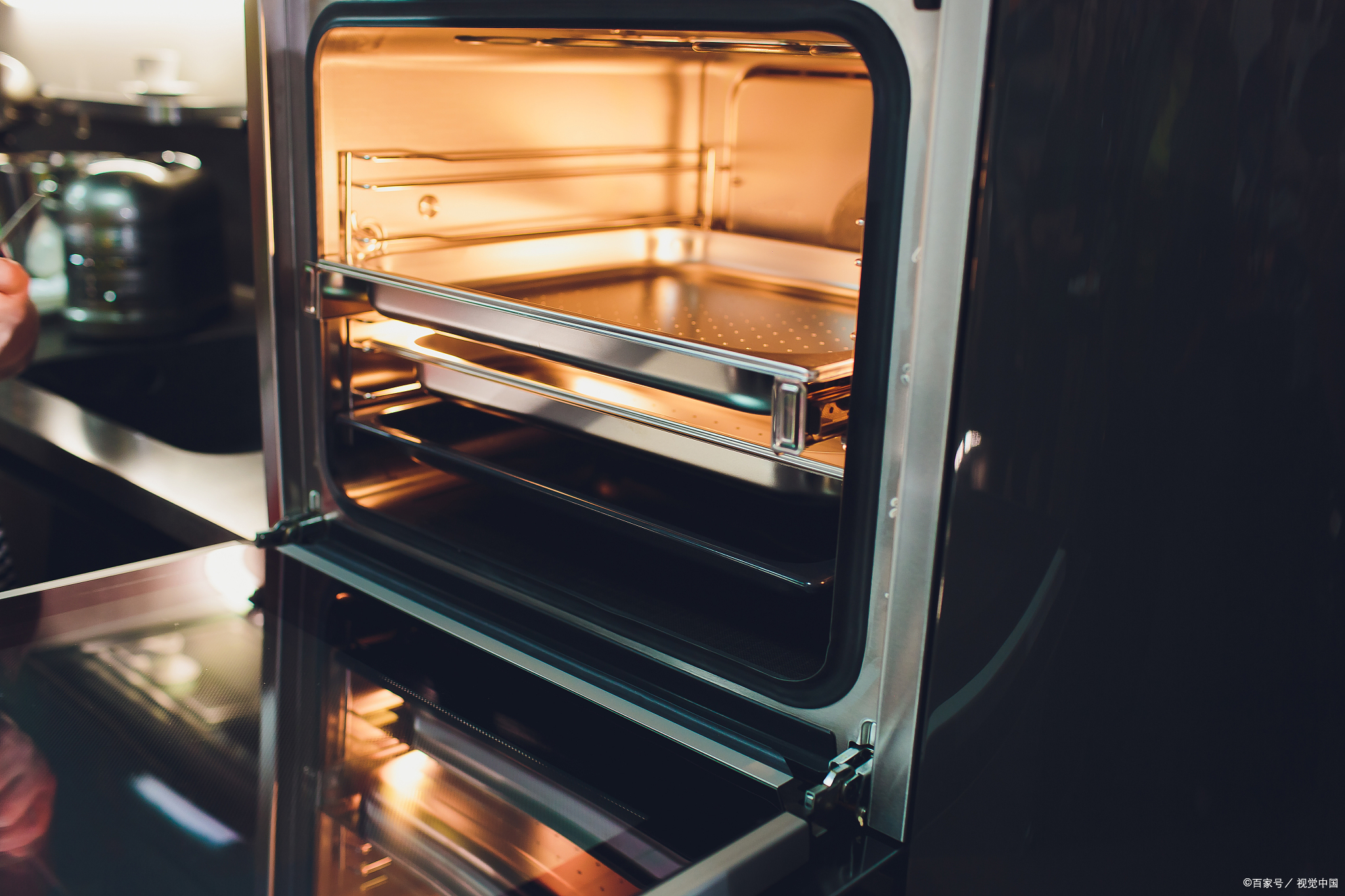
Getting Your Oven to Heat Up Fast (and Stay That Way)
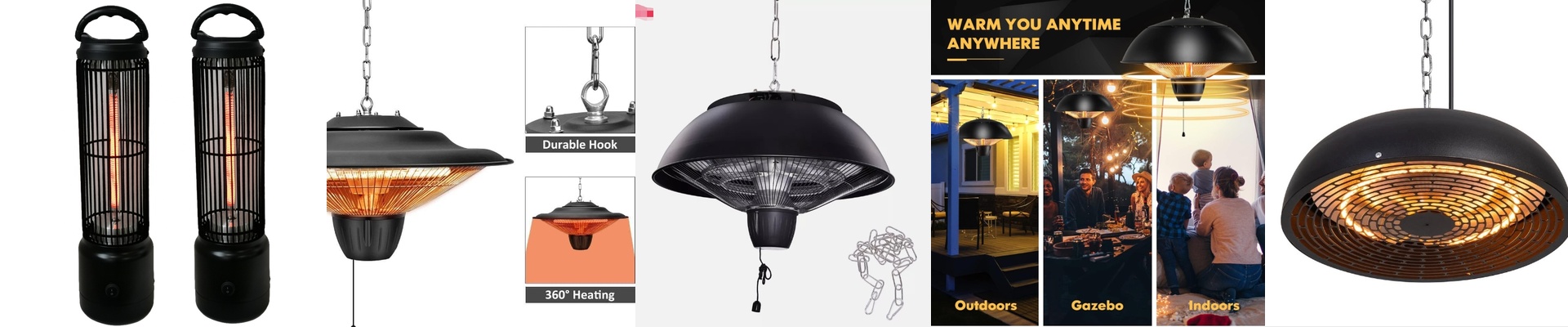
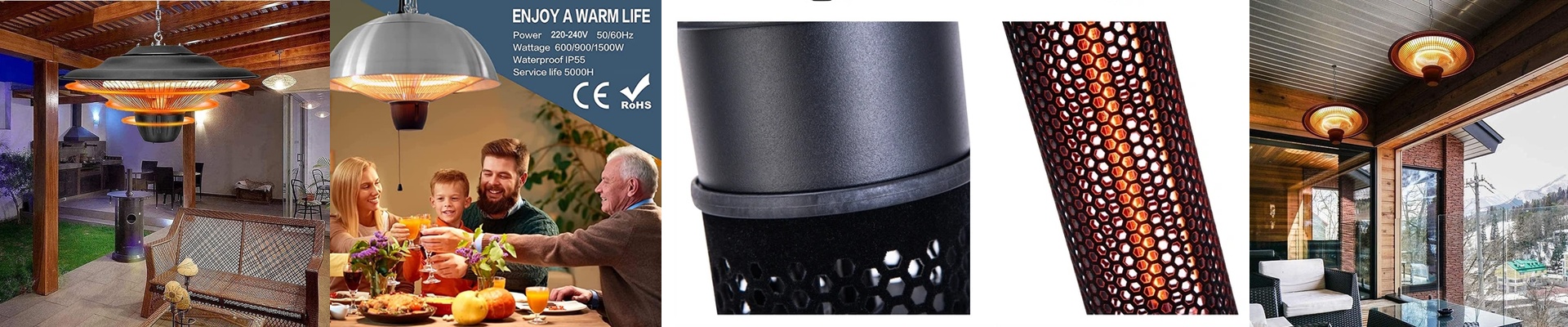
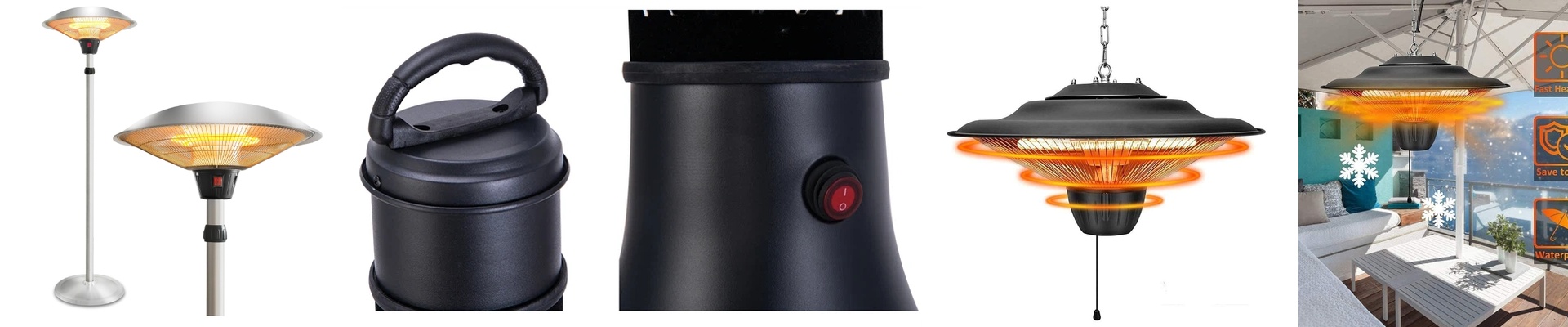
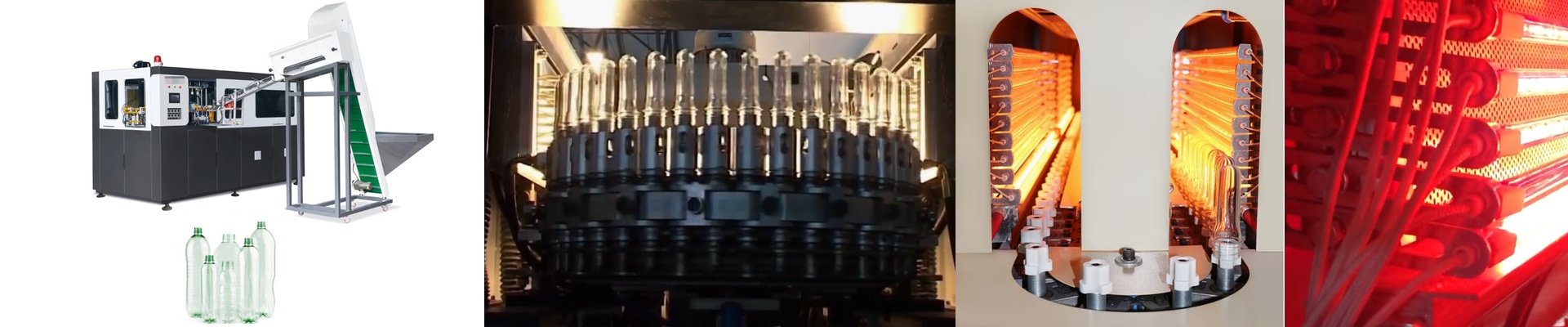
If you’re running a convection oven with high-frequency switching, you know the struggle. That annoying lag between hitting the “on” switch and actually feeling the heat? That’s what kills your cycle time. To fix this, we use gold-coated quartz tubes. Now, it sounds fancy, but it’s not about making the oven look expensive. It’s about controlling where the light goes. How the gold actually works Think of standard quartz as a leaky bucket. It lets infrared radiation bleed out in every direction. By adding a thin layer of gold to the outside, we basically create a thermal mirror. Instead of wasting energy by heating up the oven chassis, the gold bounces that IR energy straight back at your target. It’s a concentrated blast of heat. Because the energy stays focused, the tube hits its operating temp almost instantly. That’s how we get those second-level response times, even when the system is flicking on and off like a strobe light. The catch (because there’s always one) We use quartz because it’s the only thing that won’t crack when you hit it with extreme thermal shock. But the gold coating is a bit more sensitive. If your shop is full of corrosive chemicals or abrasive dust, that gold can scratch or peel. You’ve got to keep your airflow clean. If the coating starts to go, your heat distribution gets wonky and those fast response times start to slip. A few tips for the build We usually spec these for high-density heating setups. When you’re wiring them in, make sure your PID controllers are tuned for fast-acting loads. Since these tubes peak so quickly, you can actually avoid that massive temperature overshoot you usually get with standard elements. Just a heads-up: because the heat is so intense, make sure your tube supports are rated for the way quartz expands. You don’t want any mechanical stress during those fast ramp-ups.