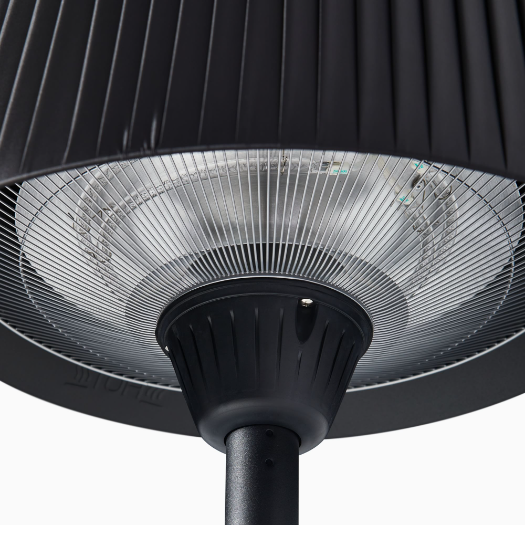
Why We Put Our Heaters Through the Ringer (And Why You Should Care)
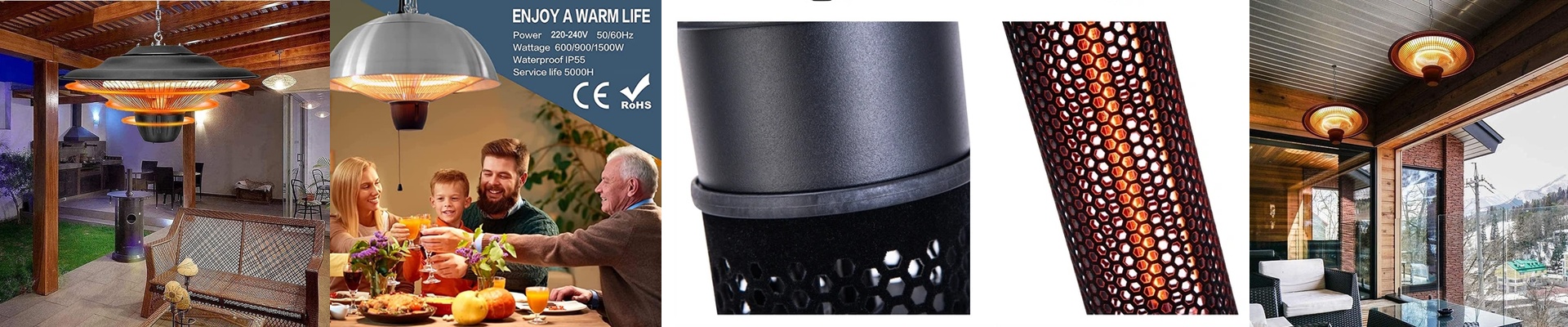
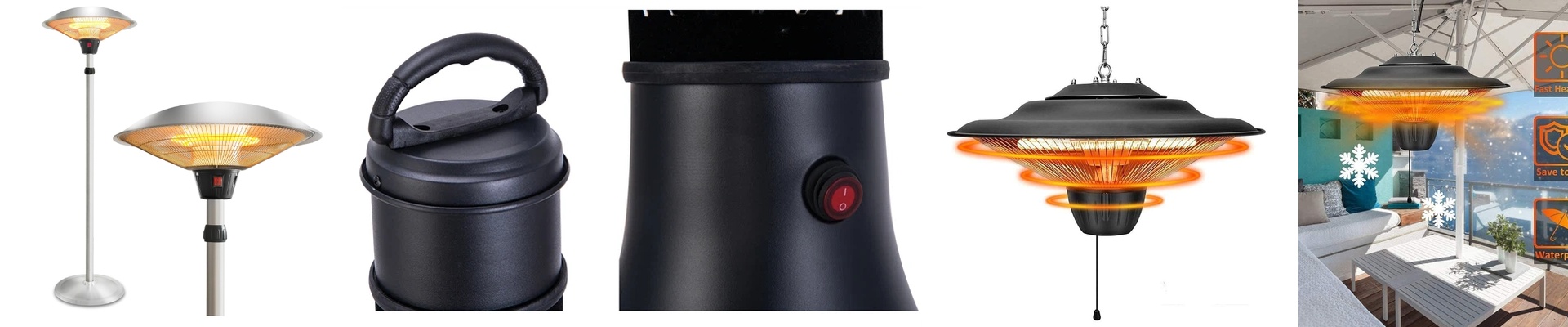
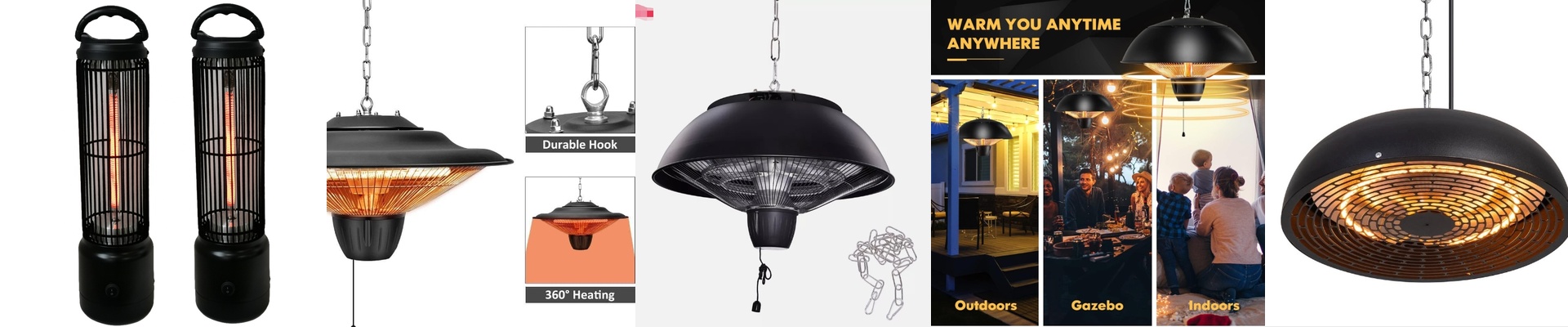
If you’re putting an infrared heater in a bathroom or out on a patio, you know the deal. It’s going to get blasted with steam, rain, and wild temperature swings. Now, we build our gear to IP55 standards. But let’s be honest: a rating on a spec sheet doesn’t actually tell you if the thing will survive three winters in the real world. That’s why we don’t just trust the paperwork. We put every single batch through a “damp-heat” aging test.
The problem with steam
Here is the thing about bathrooms: steam doesn’t just sit on the surface of a heater. It sneaks in. When a heater kicks on and off, the metal chassis expands and contracts. It basically “breathes.” That movement can actually suck moist air right past the seals and straight into the electrical guts. If water hits those terminals? You’re looking at sparks or a dead unit. Our IP55 shells keep the dust and water jets out, sure. But the real enemy is the slow, quiet corrosion that eats away at the wiring over time.
Simulating years in a few days
We don’t just spray the units with a hose and call it a day. Instead, we lock them in a chamber that’s basically a sauna from hell—high heat, oppressive humidity, and constant cycling. It lets us simulate years of wear and tear in just a few days. We’re hunting for two things: gaskets that shrink and coatings that peel. If a seal fails or a wire oxidizes, the unit is trash. We’d much rather burn out a lamp in our own lab than have it fail while it’s bolted to your customer’s ceiling.
The balancing act
There’s a tricky trade-off here. High-wattage lamps get incredibly hot. When you wrap that heat in a waterproof, airtight shell to keep the moisture out, you’re also trapping the heat inside. It means the internal components run much hotter than they would in a breezy patio heater. It’s a tightrope walk between keeping the seals tight and letting the unit breathe. To make it work, we use heavy-duty internal wiring that can take the heat without getting brittle or cracking. It’s a lot of extra effort, but it’s the only way to make sure the heater actually stays on when you need it.