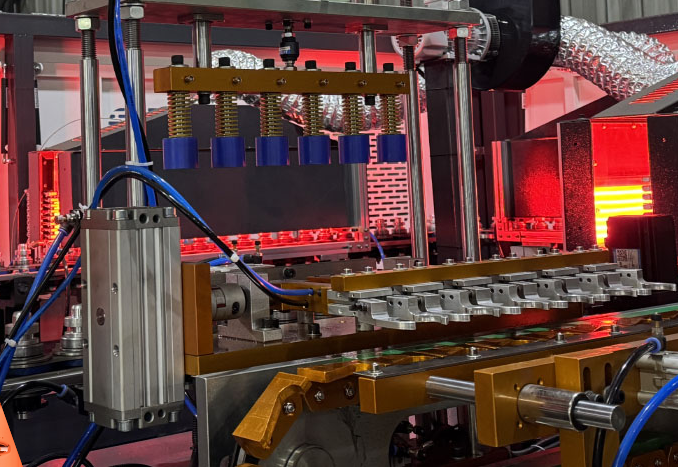
Getting Your SACMI Rotary Blow Molders Up to Speed
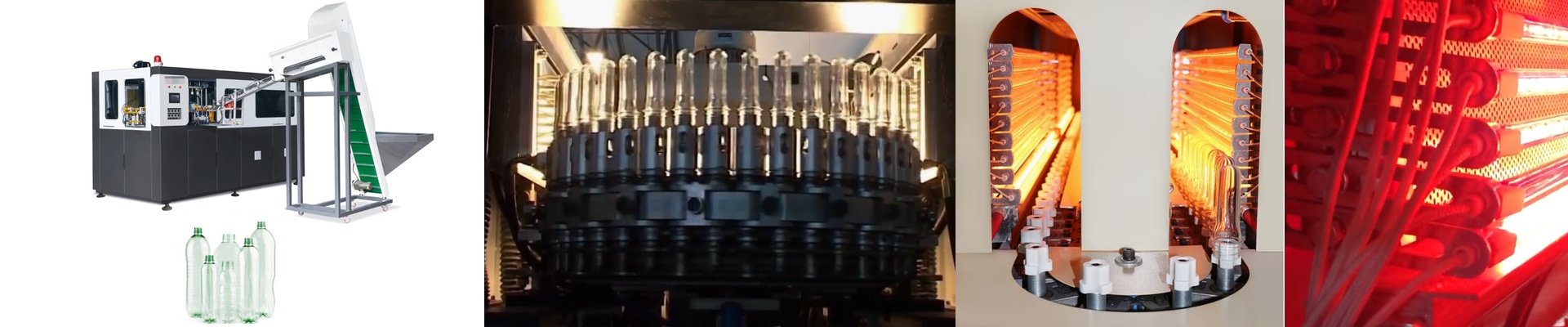
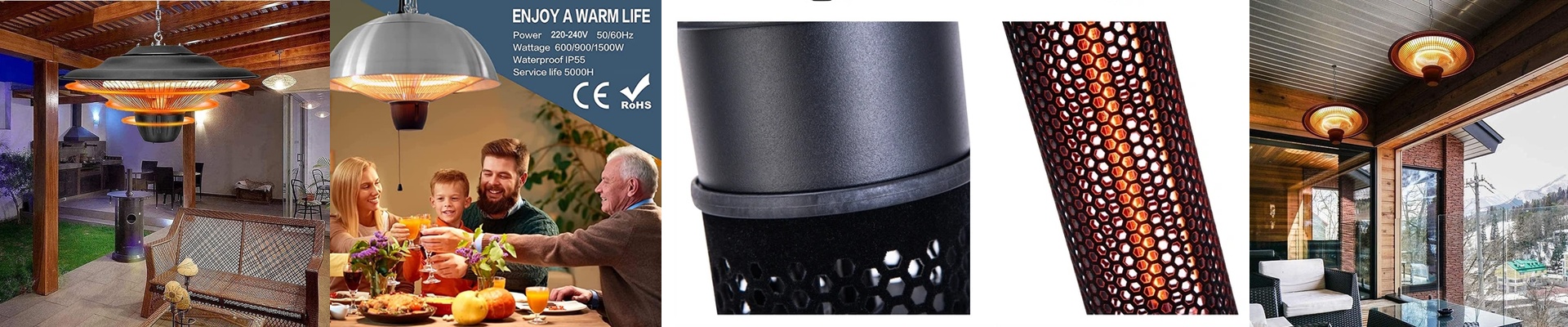
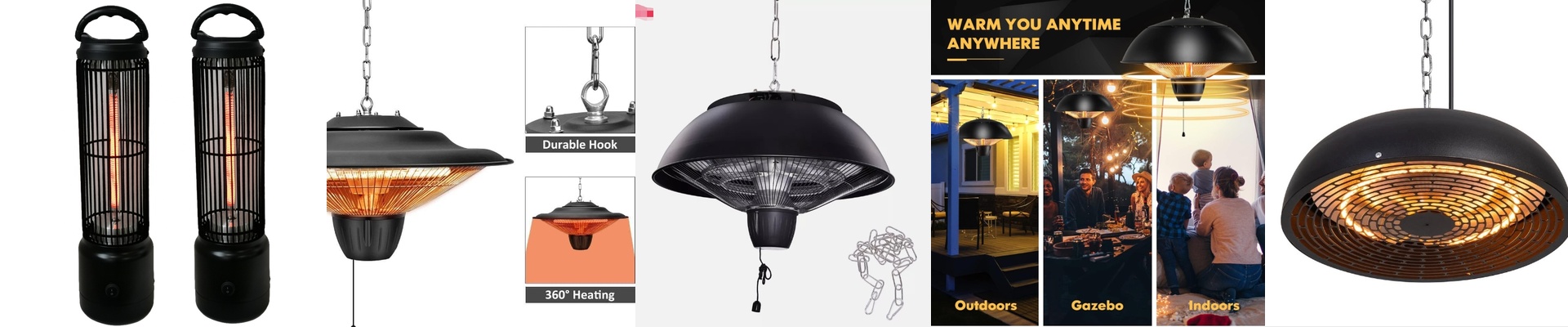
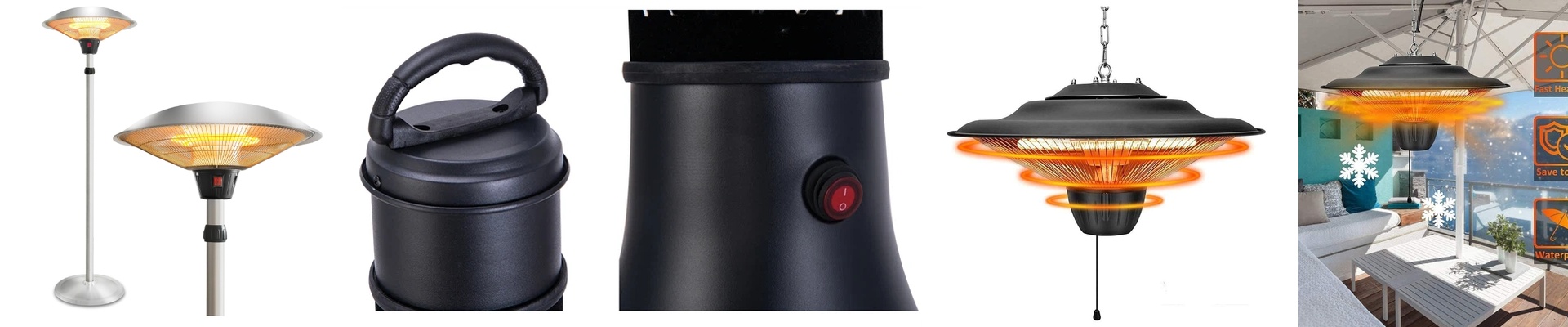
If you’re running SACMI rotary machines, you already know the deal: everything happens fast. You’ve only got a tiny window to get those PET preforms heated just right. If your lamps are sluggish, you’re losing money. That’s why we built our replacement lamps to cut out the lag. We wanted to shrink the gap between flipping the switch and hitting that perfect IR intensity. Heat that actually hits The biggest headache with fast-cycle machines is thermal inertia. Basically, if the lamp takes too long to warm up, you end up with a pile of scrap bottles every time you start the machine or pause a cycle. We fixed this by tweaking the quartz thickness and the filament mix. The result? The lamps hit their peak temp way faster. And because these machines switch power on and off constantly, you can’t just use any filament. Ours are built to handle that stress without wearing out, making sure the heat actually sinks into the preform wall instead of just skimming the surface. Built to fit (and stay clean) Nobody wants to spend their afternoon modifying brackets or messing with wiring. Our lamps are drop-in replacements for SACMI footprints. They just fit. We also use high-purity quartz so you don’t get that annoying clouding over time. Plus, the connectors are rugged. They can take the constant shaking and vibration of a rotary carousel without rattling loose. Now, a quick heads-up on coatings: we can shift the emission spectrum to give you a focused short-wave output. It penetrates the PET deeper and faster, but it puts more stress on your cooling fans. Just make sure your vents are clear, or you’ll risk overheating the housing. Less fiddling, more bottling The best part is how these play with your PLC. Since the lamps respond so quickly, your controls can actually do their job. You won’t have to spend hours tuning heating zones or dealing with “over-shooting”—that frustrating moment where the temp spikes and you end up with burnt preforms or weird, uneven walls in your bottles. It just works. You set it, it hits the mark, and you get back to production.