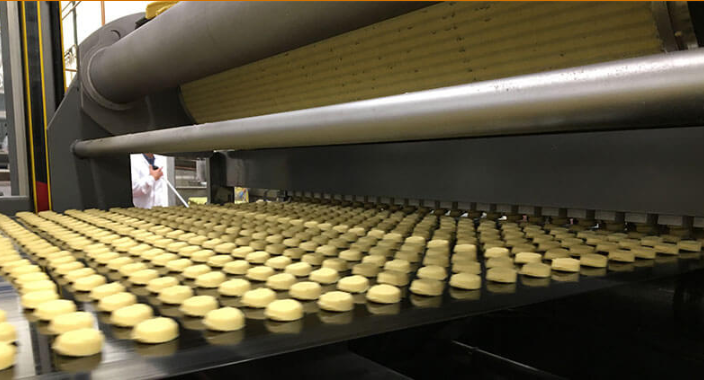
Stop Waiting for Your Oven to Heat Up
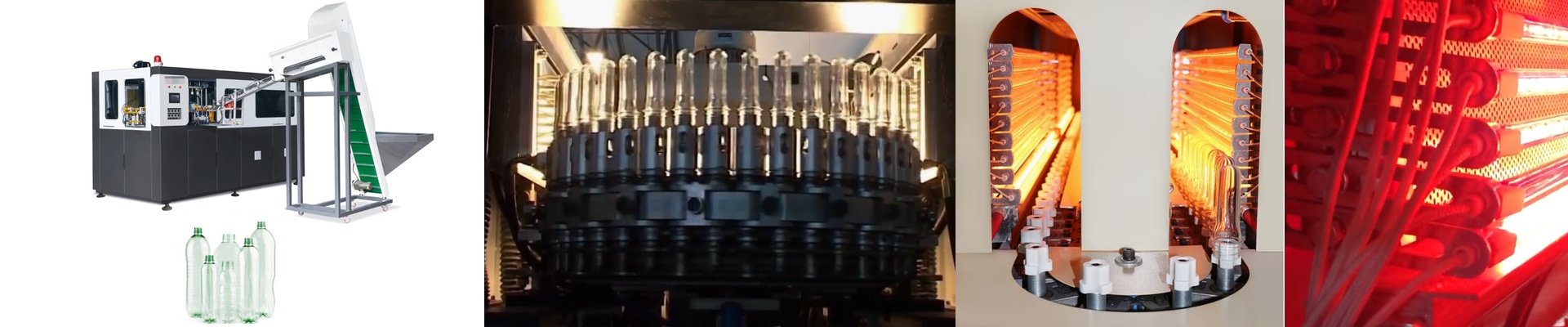
Let’s be honest: waiting for a convection oven to preheat is a pain. You’re just standing there, watching the clock, while your production line stalls. It happens because relying on air to move heat is just… slow. We found a better way. Instead of just blowing hot air around, we add infrared (IR) heating lamps into the mix. It’s like giving your oven a turbo button. How it actually works Think of it this way: convection heat has to dance its way across the surface of your food. IR is different. It’s radiant energy. It doesn’t mess around with the air; it just hits the target. By putting these lamps in the ceiling or on the sides, you get a hybrid setup. The IR lamps do the heavy lifting at the start, slamming the chamber up to temperature in a fraction of the usual time. Once you’re there, the fans take over to keep everything even. The gear we use We don’t use your average lightbulbs here. We use quartz-halogen tubes. They’re built for high-wattage density, which is a fancy way of saying they pack a massive punch to kill those long cycle times. To keep things simple, we match the voltage to what you already have—usually 220V or 380V. That way, you don’t have to clutter your floor space with big, ugly transformers. Plus, we use food-grade coatings on the quartz. It keeps things clean and helps the heat move more efficiently. If your wiring can handle the load, these just slide right in. The “Gotchas” Now, you can’t just crank the power to infinity. If you go too heavy on the wattage, you’ll fry the outside of your food before the middle is even warm. Not a good look. You also have to tune your PID controllers so the IR lamps taper off as the air hits the right temp. It’s all about that balance to avoid scorching. And a quick tip: don’t skimp on ventilation. If the heat just sits there and soaks, you’re going to burn out your lamp sockets way faster than you’d like. Keep the air moving, and you’re golden.