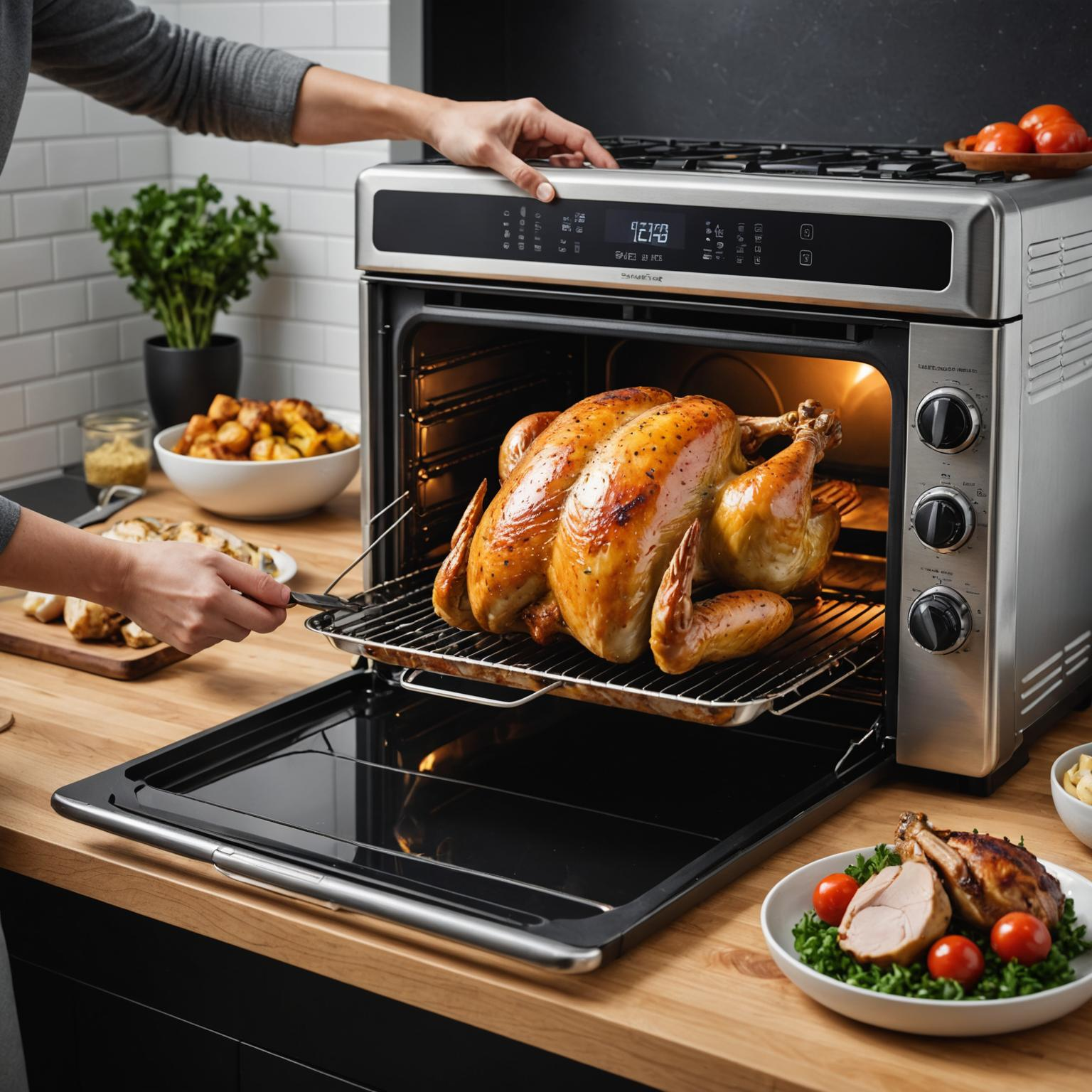
Keeping the Heat Steady in Steam Convection Ovens
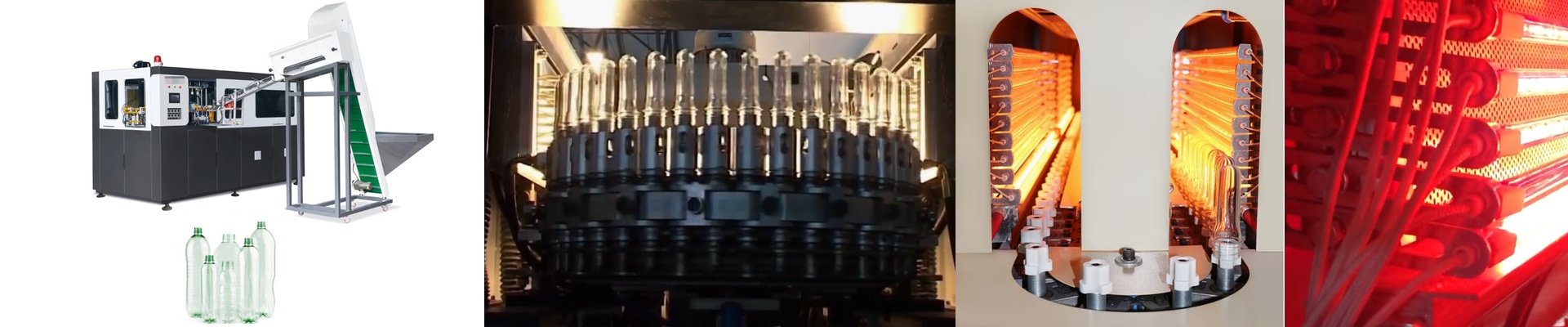
Steam convection ovens are a tough place for heating elements. You’ve got high humidity and air whipping around everywhere, which usually means the temperature swings wildly and heat disappears faster than you can track it. To stop food from cooling down—without turning it into a dried-out cracker—we use infrared (IR) lamps. Instead of trying to heat the air, these lamps shoot radiant energy straight into the food. It cuts right through the air gap to keep the core temperature where it needs to be. Why the physics actually matter We stick with short-wave infrared emitters because they’re instant. Traditional coils are slow. They have to warm up the air before the food even feels a thing. IR lamps don’t play that game; they hit the target immediately. When the sensor notices the temp dipping, the lamp kicks in and fixes it in seconds. No more “cold spots” in the middle of a massive industrial oven. It just stays hot. The nitty-gritty on the build We use high-purity quartz glass for the lamps. Why? Because it can handle the shock of turning on and off rapidly without cracking. But here’s the thing: you can’t just toss any random lamp in there. The wattage has to be a perfect match for your power supply, or you’re going to fry your circuit. We also use reinforced connectors. Convection fans vibrate a lot, and the last thing you want is a wire shaking loose in the middle of a dinner rush. The trade-offs Now, all that intense heat is a bit of a double-edged sword. If the lamps are too close to the oven walls, they can actually stress the interior seals. It’s a balancing act. You have to make sure your ventilation is dialed in to handle the heat buildup around the housing. If the air can’t move, the lamp burns out faster. It really comes down to proper spacing—that’s the only way to get the heat you need without killing your equipment.