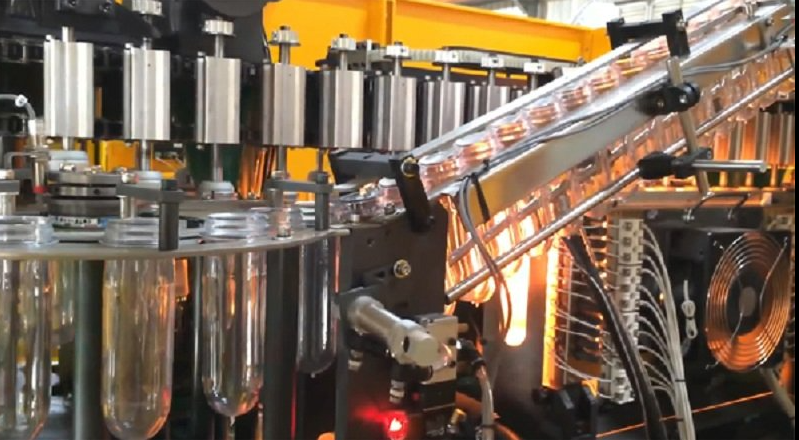
Getting Your KHS Heat Distribution Right
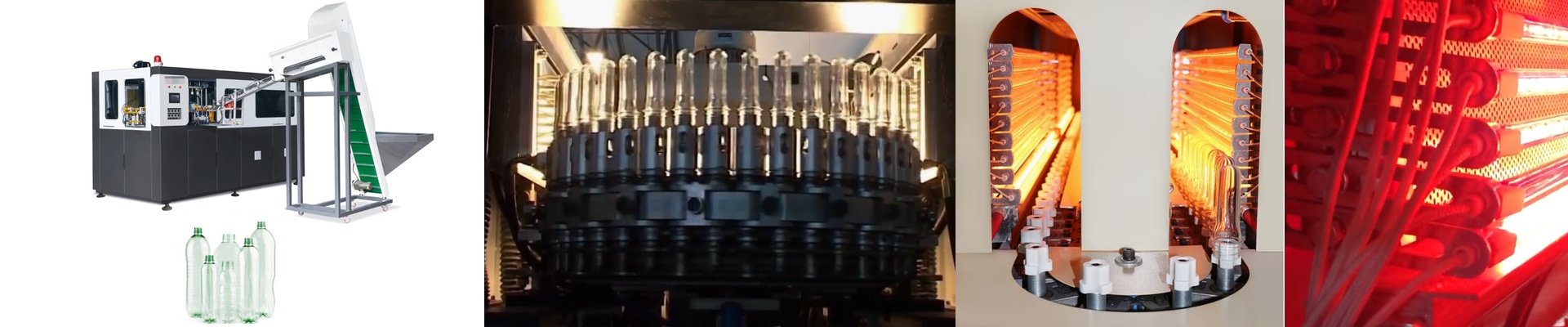
Ever pull a batch of PET bottles off the line only to find them looking cloudy or having weirdly thin walls? It’s frustrating. Usually, it comes down to the heat. When your OEM lamps start to fade—or if you’ve swapped them for replacements that just don’t hit the same thermal notes—your heat field goes sideways. It’s not just about cranking up the wattage. That’s a rookie mistake. It’s about the actual geometry of the heat and the spectrum of the light. The Heat Density Struggle For KHS setups, we stick with high-wattage, short-wave infrared bulbs. If you’re running a 2500W tube, you get that lightning-fast ramp-up that high-speed lines need. But here’s the thing: all that heat goes somewhere. It puts a lot of pressure on your oven’s ventilation. If your cooling fans aren’t up to the task, you’re basically baking your own lamp sockets. Keep an eye on those. The Nitty-Gritty: Quartz and Connectors We use heavy-wall quartz glass for a simple reason: we don’t want the filament sagging when things get scorching hot. Most of our tubes use R7s or SK15 connectors. They’re basically plug-and-play. You just slide them into the existing holders and you’re good to go—no need to mess around with the wiring. We also add specific coatings to the glass. This helps the heat actually soak into the PET instead of just searing the surface. Real-World Results You don’t have to pay the “OEM tax” to get great results. High-end domestic lamps are matching—and sometimes beating—the originals now. By tightening the way the filament is wound, we’ve managed to kill off those annoying “cold spots” you find in the cheap stuff. You get a nice, flat thermal profile across the whole preform. It means fewer rejects. It means you stop spending your whole shift tweaking oven zones. Just do me a favor: make sure your voltage regulators are calibrated exactly to the bulb’s specs. Otherwise, you’re just asking for a premature burnout.