Getting Your Oven Temps Right (Without the Headaches)
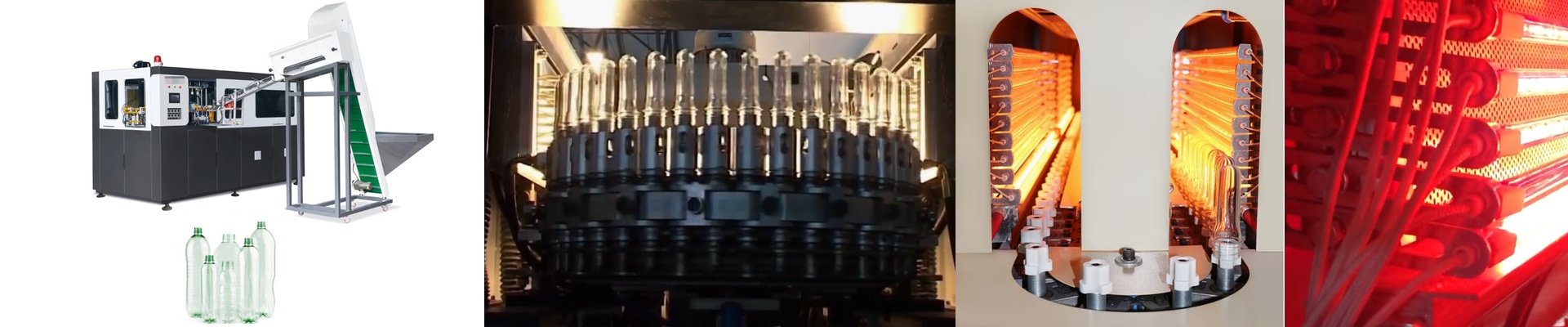
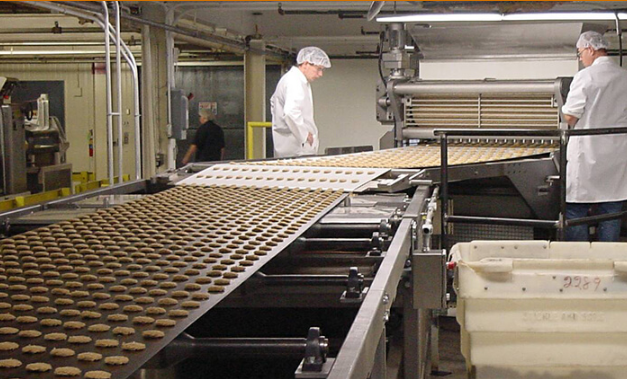
In a commercial bakery, a few degrees can be the difference between a gold-standard crust and a tray of burnt charcoal. It’s a tight window. We’ve spent a lot of time making sure our industrial heaters hit those same pinpoint tolerances you’d expect from the most expensive brands on the market. It mostly comes down to how we handle the lag between the sensor and the heat. The struggle with “overshoot” Ever notice how some ovens just keep climbing? You set the temp, but the heater keeps pumping energy in even after you’ve hit the mark. That’s “overshoot,” and it’s a nightmare for consistency. We fixed this by rethinking the wattage density. By spreading the heat load evenly across the chamber, we kill off those annoying hot spots. In our latest tests, we’re seeing a temperature variance of ±1°C. That’s a steady, reliable heat. The gear under the hood We don’t cut corners on materials. We use high-grade alloys for the coils so they don’t burn out prematurely. But the real secret is the thermocouples. Here’s the thing: if your sensors are sluggish, your PID controller is basically just guessing. We use fast-response sensors to close that gap. The controller knows exactly what’s happening in the oven the moment it happens. Plus, these are designed as drop-in replacements. You can wire them into almost any standard PLC setup without needing a complete overhaul of your floor. A few honest trade-offs I’ll be straight with you—precision takes a little patience. If you try to force an instant heat-up, you’re asking for trouble. You risk shocking the elements and causing wild temperature swings. To keep things running like a high-end machine, you’ve got to calibrate your ramp-up speed. And one more thing: check your vents. If your ventilation can’t handle the displaced air, heat will just pool at the top of the oven. Your sensors will tell you everything is fine, but your bread will tell a different story.