Dealing with Temperature Swings in IR Baking
Ever notice how a cold snap on the shop floor or a random draft hitting the conveyor can mess up your whole batch? It’s frustrating. When the ambient temperature drops, your product surface temperature follows suit. If you’re still relying on basic on/off switches, you’re fighting a losing battle. You need a system that actually reacts to what’s happening in the room.
How we keep the heat steady
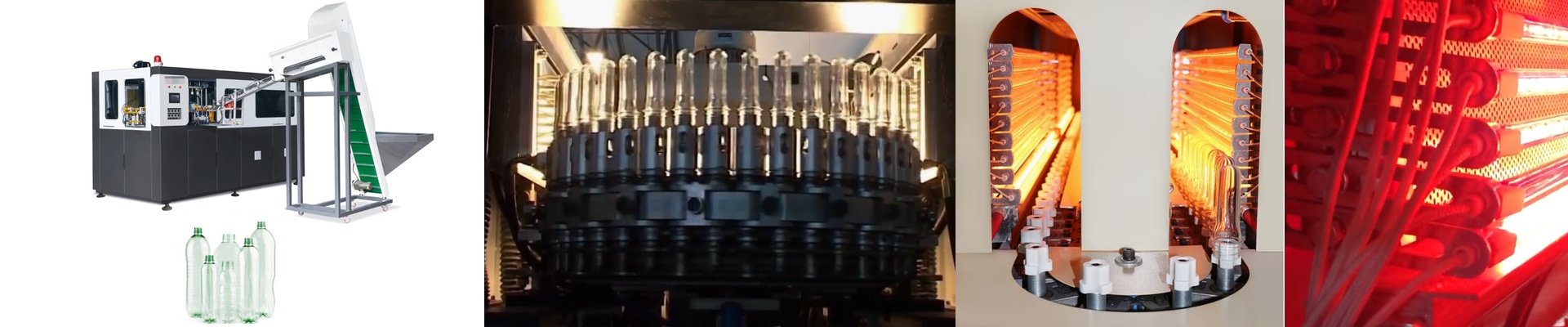
We use short-wave infrared bulbs. The beauty of these is that they shoot energy straight into the product. They don’t waste time heating up the air first. To stop that annoying temperature drift, we pair the bulbs with a fast-response thermocouple and a PID controller. Here’s how it works: the system keeps a constant eye on the surface temperature. The second the surrounding air starts stealing heat from your product, the controller kicks the voltage up to the bulb. It happens in milliseconds. You don’t see it, but it’s there, keeping the heat steady no matter how chilly the warehouse gets.
The gear (and the trade-offs)
Most of our setups run on quartz-halogen tubes. They pack a lot of heat into a tiny space, which is great when you need to hit your target temperature fast. But you have to be smart about the wattage. Sure, a high-wattage bulb gets you there quicker, but it puts a lot more stress on your wiring. If you go too heavy on the power without enough ventilation, you’re just asking to burn out your sockets. Pro tip:Always double-check your current draw against your wire gauge. If you don’t, you’ll get voltage drops that make your PID tuning a nightmare.
Keeping things running
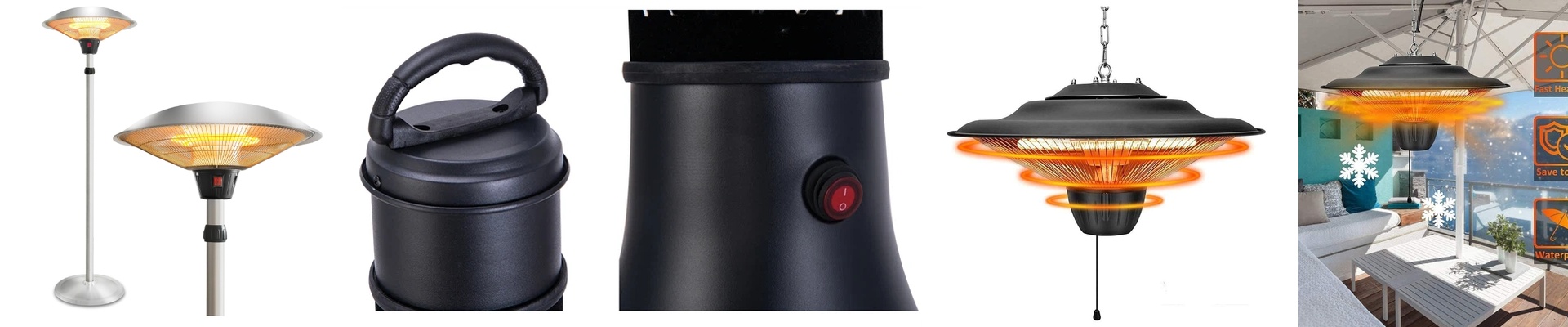
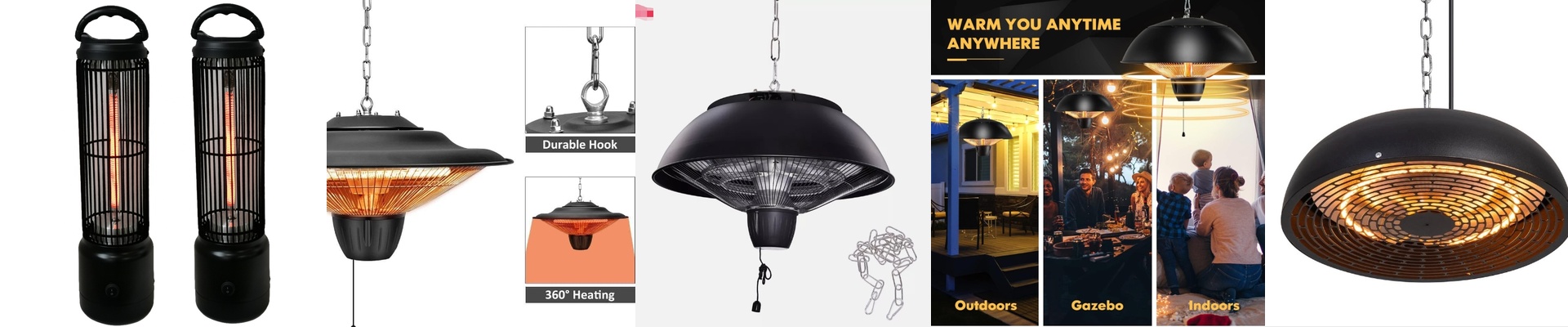
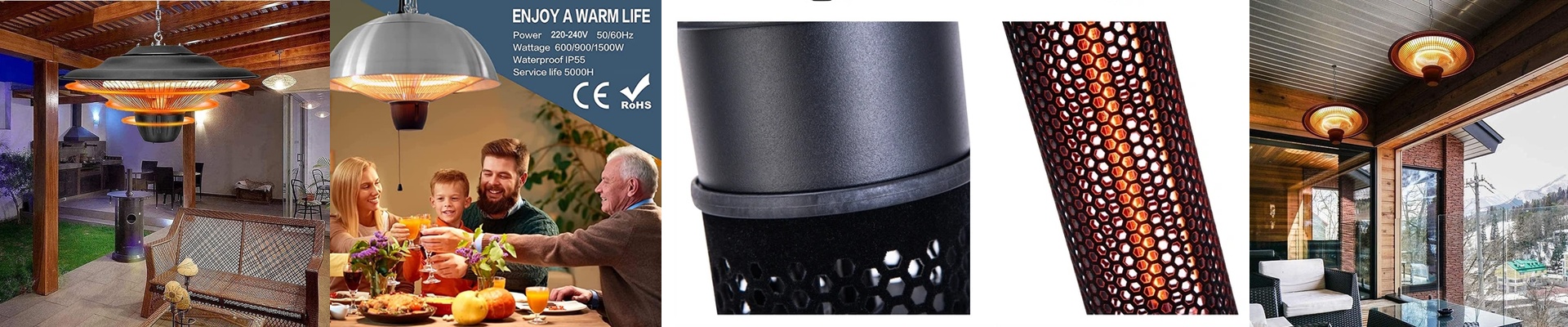
We designed these bulbs to be drop-in replacements. We use standard connectors, so when it’s time for a swap, you can get it done quickly during a break and get the line moving again. One big thing:Keep the glass clean. If grease or flour builds up on the bulb, you’ll get hot spots. Those hot spots are what cause the glass to crack. Just give them a quick wipe with some isopropyl alcohol. Also, keep an eye on the filament. If you see it starting to sag, that bulb is on its last legs. Swap it out then and there. It’s much better to spend two minutes replacing a bulb now than to have it pop in the middle of a rush and kill your entire production line.