Stop Throwing Away Parts: The Secret to Even Heating
There is nothing more frustrating than pulling a part off the line only to realize it’s warped. Or worse, the bonding is patchy because one side of the display was just a few degrees too cold. In this business, a tiny temperature gap is the difference between a perfect product and a piece of scrap. That’s why we moved away from the old way of doing things and started using circular infrared (IR) heaters.
Why the shape actually matters
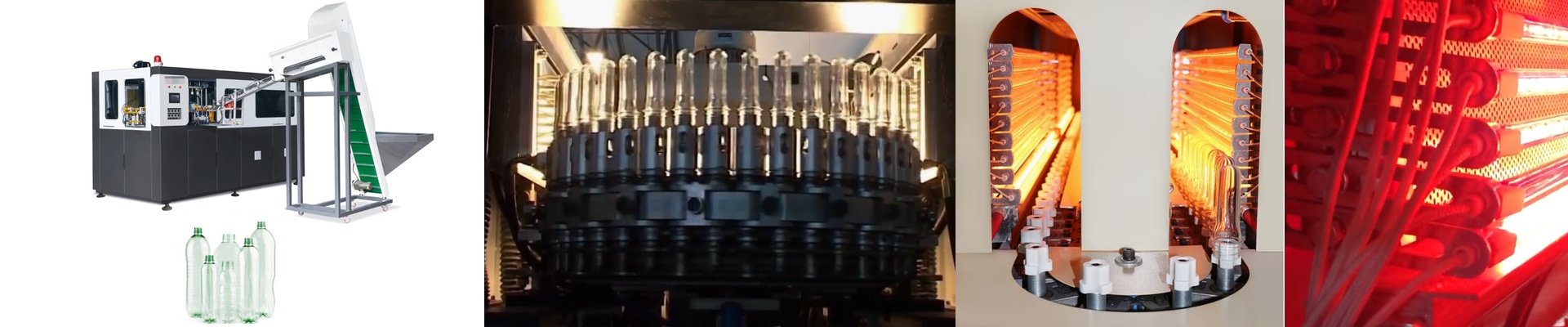
If you use standard linear lamps, you get “striping.” It’s an annoying pattern where some spots get blasted with heat and others get left out in the cold. By switching to a ring or a circular emitter, everything changes. The heat flows symmetrically. It means the center of your display gets the exact same energy as the edges. No more guessing. No more hot spots. The trick is getting the distance right. If you’re working with a tight gap, we go with short-wave emitters to get that heat penetrating fast. But if you need the warmth to soak in deeper, medium-wave is the way to go.
The gear that keeps it steady
To keep things from overheating or burning out, we use PID controllers. Think of these as the “brains” of the operation. Instead of a clunky thermostat that just clicks on and off, these monitor the surface in real-time and tweak the power on the fly. One quick heads-up: watch your voltage. When you’re running a big array of circular heaters, they pull a lot of current. If you don’t use dedicated circuits, you’ll see flickering or power sags. And once your temperature set-points start drifting, your precision goes right out the window.
The trade-offs (because nothing is perfect)
Here is the catch: circular heaters take up more room. You can’t just slide them into a tiny slot like a linear bar; you’ll need a bit more chassis space. And you’ve got to think about the air. When you pack that much heat into a housing, things get sweaty. If your enclosure isn’t vented properly, the ambient heat builds up. Eventually, your sensors get confused, and your precision disappears. Just make sure your cooling fans can actually handle the total wattage of the ring. Keep it cool, and the system will run like a dream.