Why you should ditch resistance wires for carbon fiber IR tubes
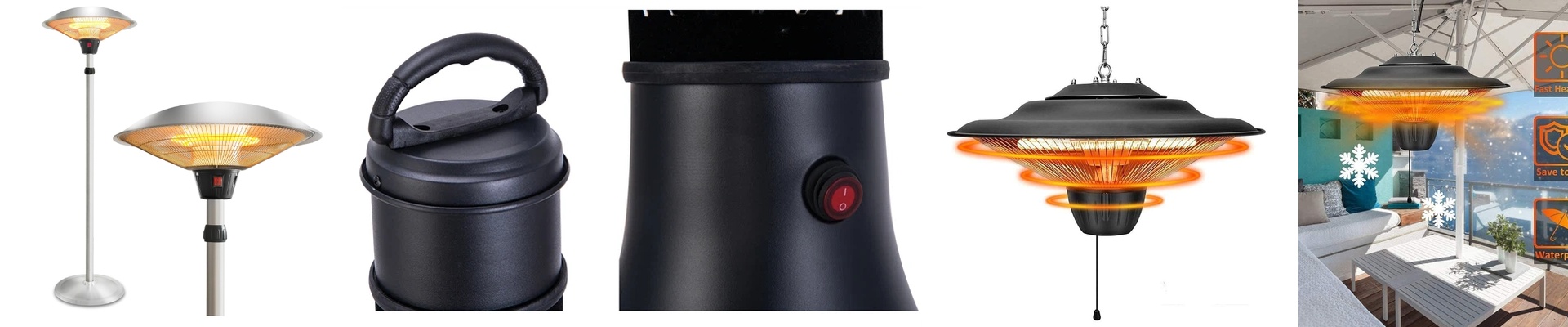
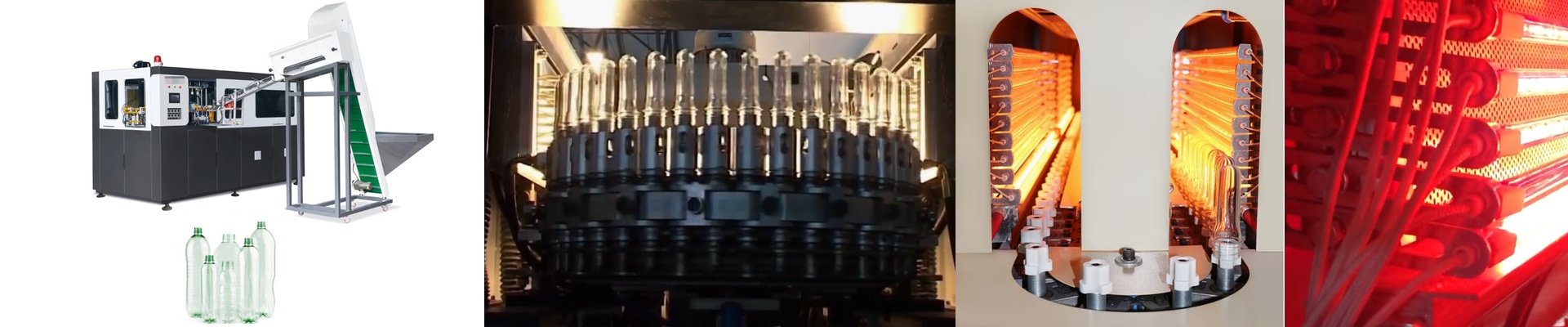
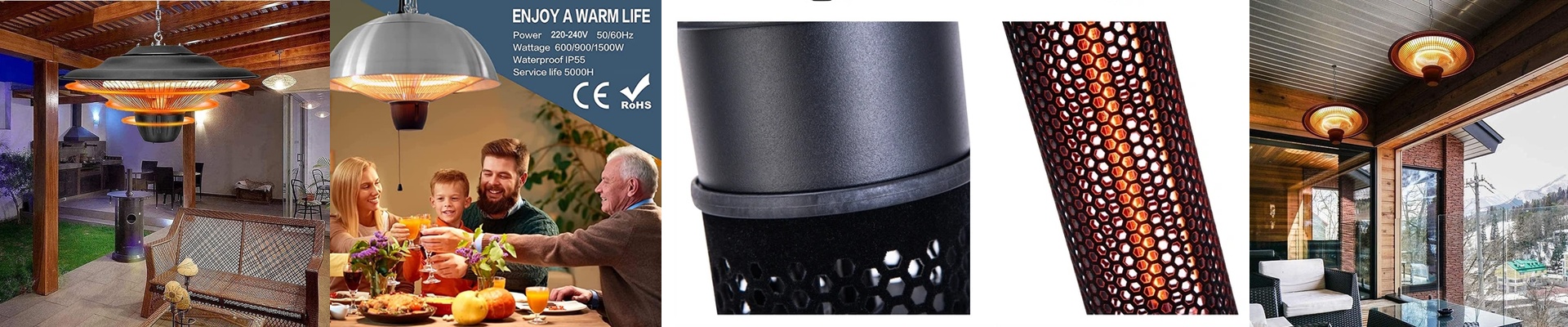
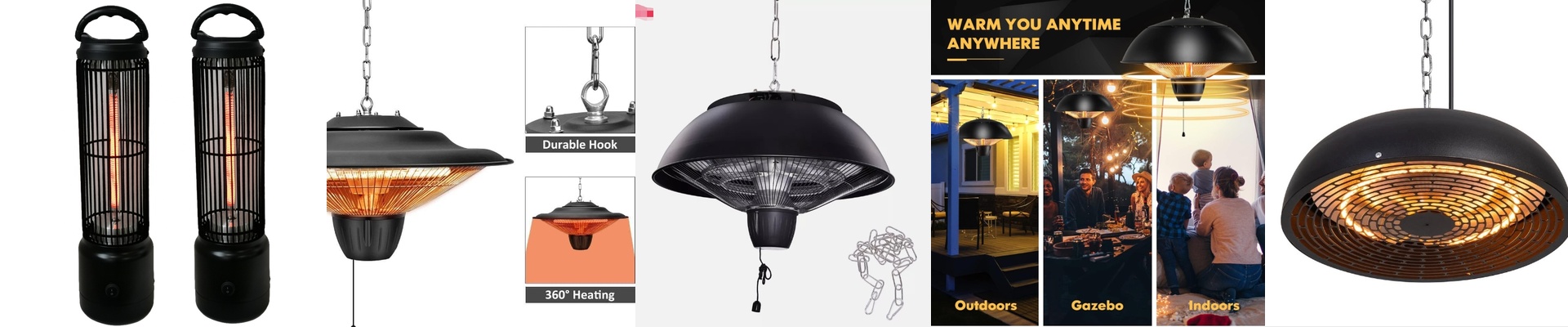
Ever feel like you’re wasting half your energy just heating up the air around your product? That’s the problem with old-school resistive heating. It’s slow. It’s clunky. And it wastes a ton of power before the heat actually hits the target. We switched to carbon fiber infrared (IR) tubes to fix that. Instead of warming the room, these tubes shoot short-wave radiation straight into your part. It’s almost instant. Here is why the physics actually matters for your day-to-day. Standard NiCr wires take forever to get going. Carbon fiber filaments are different. They have way less thermal mass, so they react fast. We wrap them in high-purity quartz glass to keep them from oxidizing, which means your tube hits operating temperature in seconds. No more standing around for twenty minutes waiting for a massive oven block to finally warm up. You just turn it on and get to work. Plus, your electric bill will thank you. Since the heat moves via radiation rather than convection, you don’t have to crank the whole oven up to a blistering temperature just to get your parts where they need to be. It takes a lot of pressure off your facility’s power grid. One heads-up, though: these things pack a punch. The heat flux is intense. If your parts aren’t positioned just right, you risk scorching them. You’ll want to take a little extra time to calibrate your spacing so you don’t burn through your product. As for getting them installed? It’s pretty painless. These are designed to be drop-in replacements for your old arrays. We use standard connectors, so you can just wire them in without having to rip apart your entire control panel. And they’re tough when it comes to temperature swings. Carbon fiber handles thermal shock much better than ceramic, so they won’t crack just because you cycled the power quickly. But keep this in mind: quartz glass is still glass. It’s fragile. If your shop floor is a high-vibration zone or people are tossing things around, put some protective guards on them. It’s a lot easier to install a guard now than it is to replace a shattered tube later.