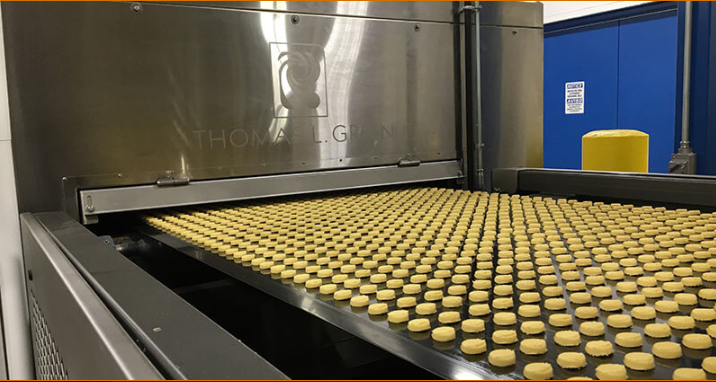
Why your deck oven needs Second-Response IR
Most ovens are slow. They rely on convection and heavy thermal mass, which basically means you’re waiting around for the air and the walls to get hot before your food even feels it. It’s a lag that kills your momentum. We fixed that by using shortwave IR emitters. Instead of waiting on the air, these lamps hit full temp in seconds. It lets you tighten up your production cycle and actually push more product through the door.
How the “Second-Response” part actually works
Think of it this way: traditional coils move heat slowly. These IR lamps move energy via radiation. It’s literally moving at the speed of light. The moment you hit the controller, the heat spikes. You don’t have to wait for the oven walls to “soak” in the temperature. You can run a much faster beat, keeping things moving without that annoying downtime.
The nuts and bolts
We use high-purity quartz glass and tungsten filaments for these. We went with the shortwave spectrum because it doesn’t just warm up the air around the food—it actually penetrates the surface. One quick heads-up:Check your power supply. High-wattage IR lamps pull a lot of current. If you’re dropping these into an old rig, take a look at your wiring gauge. If the wires are too thin, they’ll overheat the second these lamps hit full load. Not a great way to start the morning.
Getting it right
The best part is the control. You can pulse the heat to hit a exact temperature without accidentally blowing past it. But, you have to be careful. Shortwave IR is aggressive. If your conveyor is crawling or your product is sitting too close to the lamp, you’ll scorch the outside before the middle is even warm. It’s all about finding that sweet spot between lamp height and dwell time. Get that balance right, and you’ll stop wasting product and start hitting your targets.