Why We Build Our Heaters Like Legos
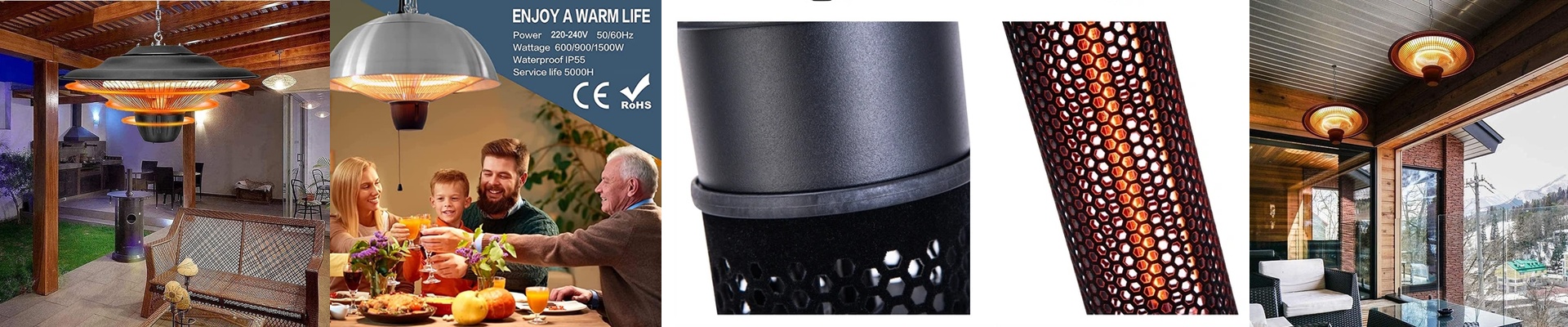
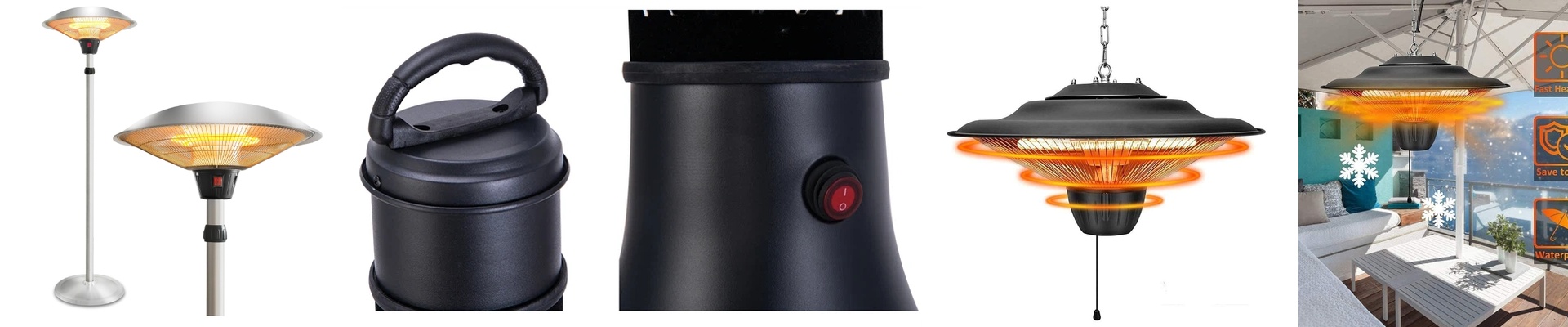
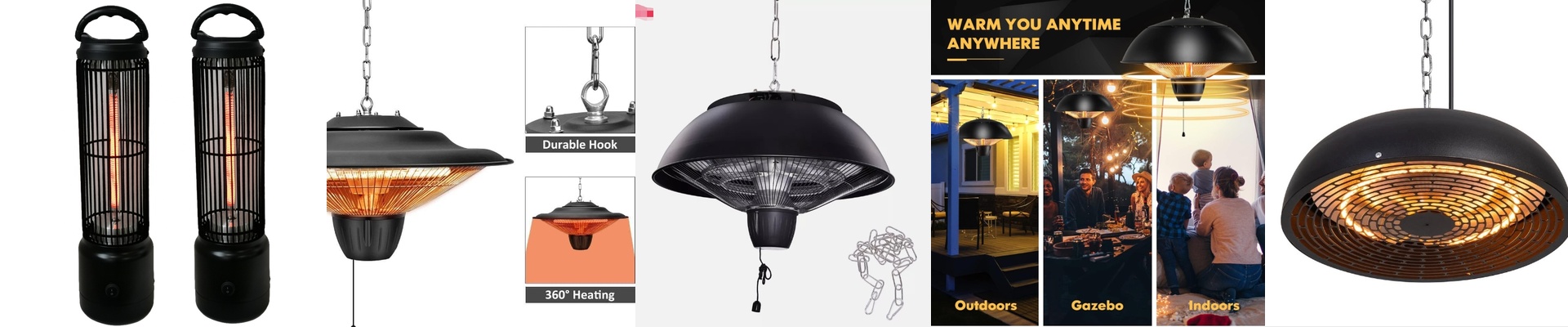
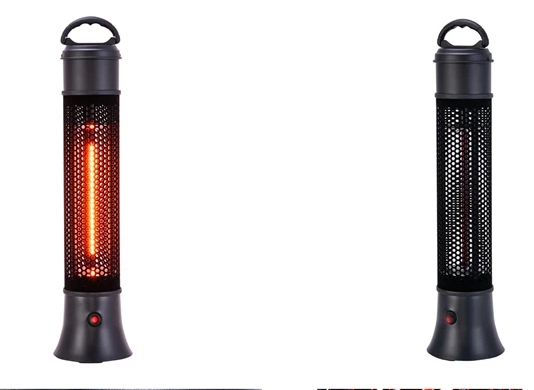
If you’ve ever run a patio or a bar, you know the deal. Rain, snow, and crazy temperature swings basically treat your equipment like a punching bag. Eventually, the heating elements just give out. It happens. Most companies build their heaters as one big, sealed chunk. When a single tube burns out, you’re stuck. You either spend half a day soldering wires in the freezing rain or you just toss the whole expensive unit in the trash. We think that’s ridiculous. So, we went with a modular setup. Think of it as plug-and-play. When a heating element finally hits its limit after a few years, you don’t have to tear the whole thing apart. You just pop the old module out and drop a new one in. It takes minutes. No messing with the control board, no fighting with the chassis. You’re back to warming up your guests before the first round of drinks is even poured. Now, there is a catch. To make this work, we have to protect the spots where the heat meets the power. We isolate the modules to keep the rain and humidity away from the electrical guts. Because of those reinforced connectors and extra housings, these heaters are heavier. They’ve got a bigger footprint than some of the cheap, flimsy units you’ll see online. But that weight is exactly what keeps the frame from rusting out at the joints. It feels solid because it is solid. Here’s the real win: the long-term cost. Usually, around year four or five, maintenance costs start to skyrocket. But with modular tubes, you only pay for the part that actually wore out. You aren’t buying new wiring or a brand-new frame every time a filament snaps. We build these for high-traffic spots where gear takes a beating. The goal is simple: we want your heater to be a ten-year investment, not something you throw away every three seasons.