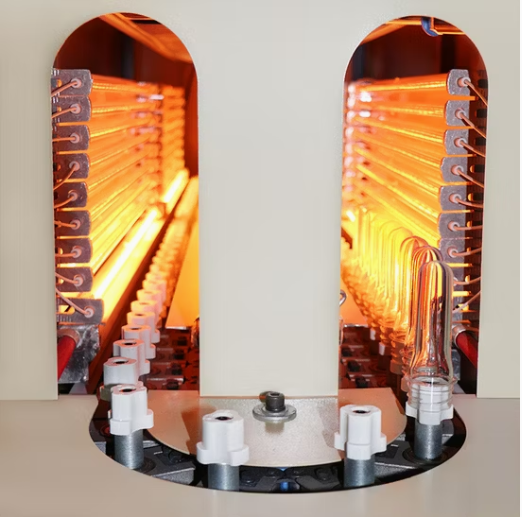
Stop Fighting with Your SIPA Rotary Machine
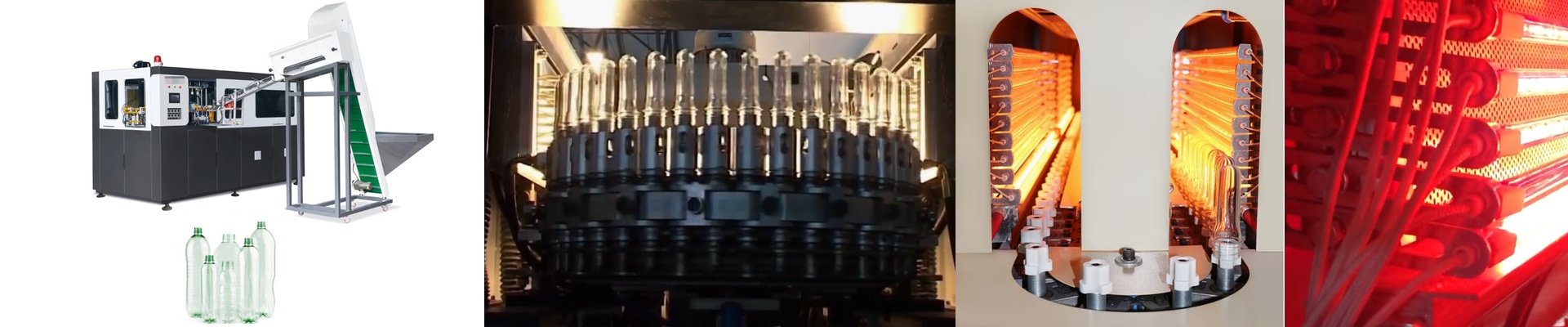
Ever get those frustrating bottles with uneven walls or that weird, pearlescent shimmer? It’s a headache. For most people running SIPA rotary machines, the culprit is usually “power drift.” Here is the deal: if you’re using replacement lamps that don’t perfectly match the original OEM wattage and voltage, you’re asking for trouble. When you mix and match lamps with different power densities, you end up with hot spots and cold spots. Your preforms just aren’t heating evenly. Getting the power right We obsess over power matching. If your machine calls for a specific wattage at 230V or 400V, even a tiny 5% difference can mess up your entire heating profile. To fix this, we calibrate the filament length and diameter so the heat stays linear across the whole tube. No more “banding” effects like you see with those cheap, off-brand replacements. It just works. The nuts and bolts We use high-purity quartz glass with special coatings that shift the infrared spectrum. Why? Because the heat needs to actually sink into the PET material, not just sizzle the surface. Installation is the easy part. Most of these use R7s or Sk15 connectors. They’re simple drop-in replacements. You just slide them into the sockets and you’re good to go—no need to rip apart your oven or rewire anything. And since rapid cycling is brutal on filaments, we use a reinforced tungsten alloy. It keeps the lamps from popping when you’re pushing the PID tuning. Real talk from the shop floor Now, a word of caution. High-wattage shortwave lamps put out a massive amount of heat. That means faster cycles, which is great for your numbers, but there’s a catch. That extra heat puts a lot of stress on your cooling fans. If your blower motors are old or worn out, these high-output lamps can actually overheat the oven housing. Before you swap in the high-wattage tubes, just double-check that your airflow is clear. It’ll save you a lot of grief in the long run.