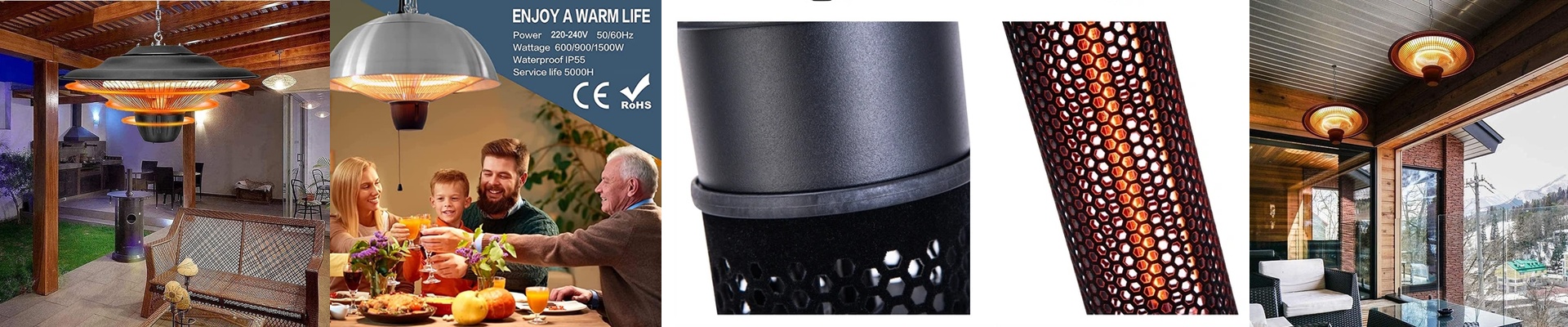
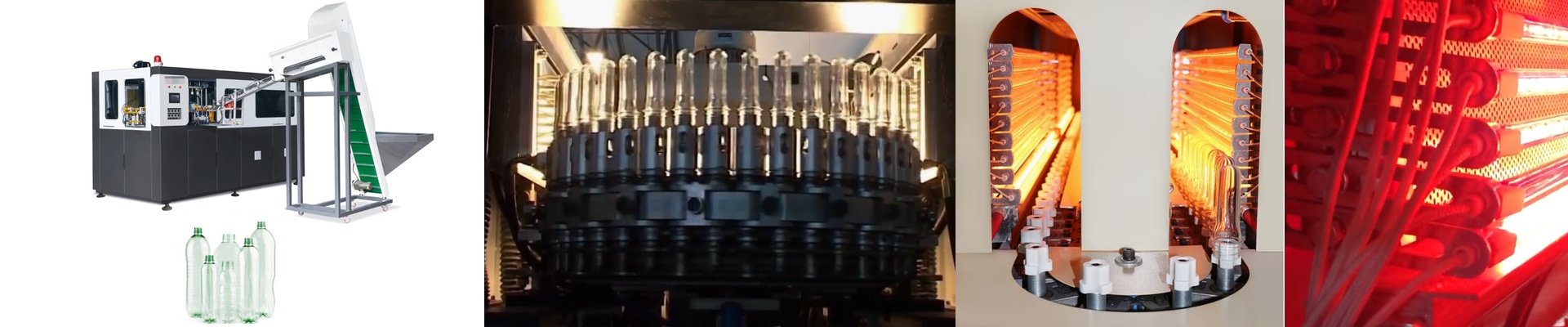
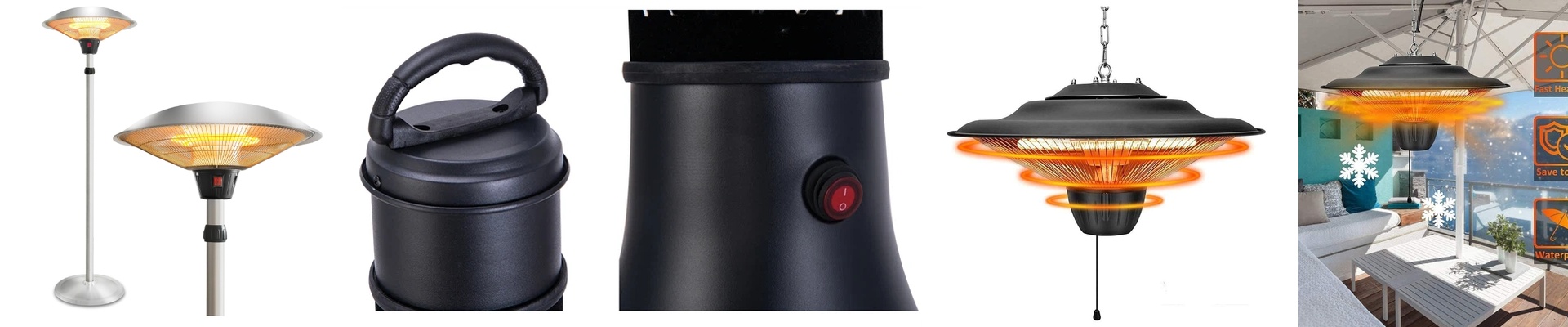
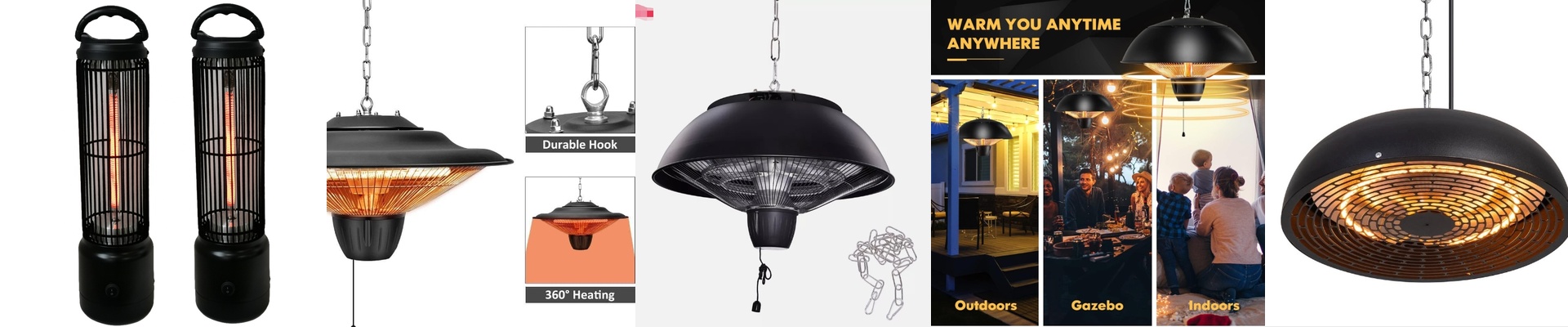
The Hidden Flaw in Your Patio Heaters
Ever notice how some nightclub patio heaters claim to be “waterproof,” but they still die after one season? The problem usually isn’t the outer shell. It’s actually a tiny, overlooked spot: the lead-wire seal. That’s the exact point where the heating element hooks up to the electrical cable. In those high-powered infrared units, this little junction gets hammered. It’s constantly heating up, cooling down, and fighting off moisture. When that seal gives way, oxidation kicks in. Then comes the high resistance, the insulation burns out, and—pop—your unit shorts.
Why the cheap stuff doesn’t last
Most budget heaters just throw some basic silicone or heat-shrink tubing on the wire and call it a day. But here’s the thing: those materials can’t handle sitting inches away from a quartz tube that’s glowing at several hundred degrees. They get brittle. They crack. And once they do, rain and humidity seep right in. In a loud, wet nightclub environment, that’s basically inviting a short circuit. We do things differently. Instead of just wrapping the wire, we use a multi-stage potting compound. We made sure it expands and contracts at the same rate as the lead wire. That way, the seal doesn’t snap or peel when the heater cycles on and off.
Finding the sweet spot
It sounds like you’d just want the tightest seal possible, right? Not exactly. If the potting compound is too rigid, the physical stress of the heat can actually snap the internal wire. It’s a balancing act. We landed on a semi-flexible, high-temp polymer. It keeps the water out, but it’s “soft” enough that it doesn’t put a bunch of tension on the connection. It just works.
A quick tip on installation
If you want this to actually last, you’ve got to get the wiring right. Stick with high-temp fiberglass braided leads. If you try to pair a professional-grade sealed element with cheap PVC wiring, the wires will literally melt before the seal even gets warm. Also, double-check your junction boxes. Make sure they’re rated for the actual wattage of your infrared array, or you’ll end up overheating the whole enclosure.