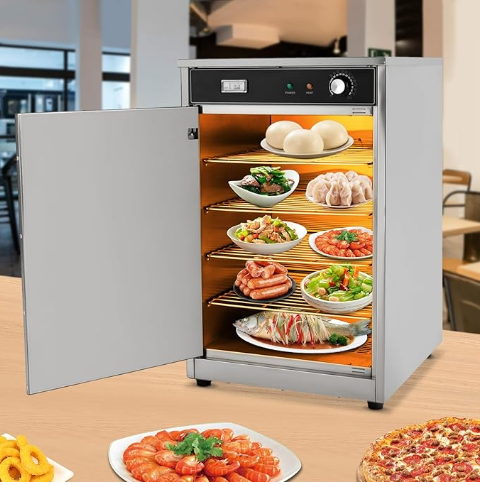
Stop Waiting on Your Oven: Why Carbon Fiber IR is the Secret to Faster Production
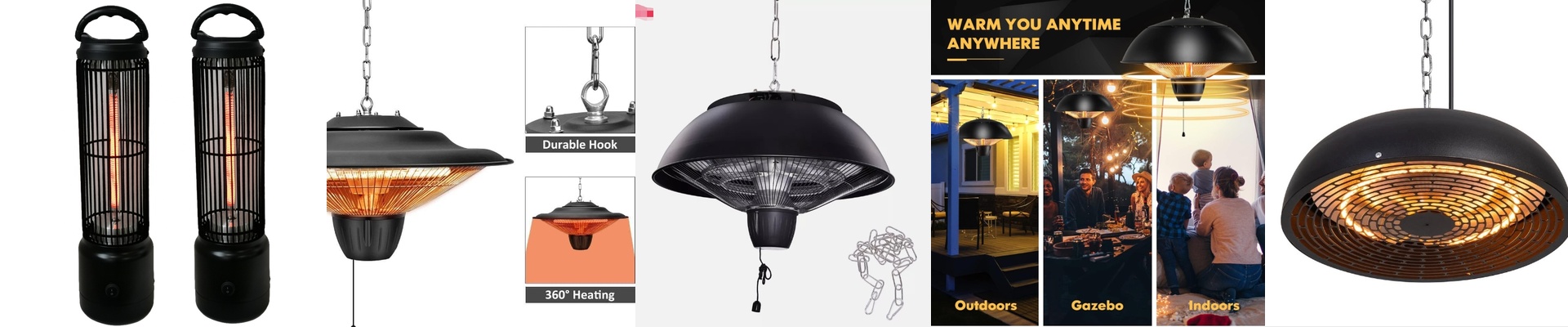
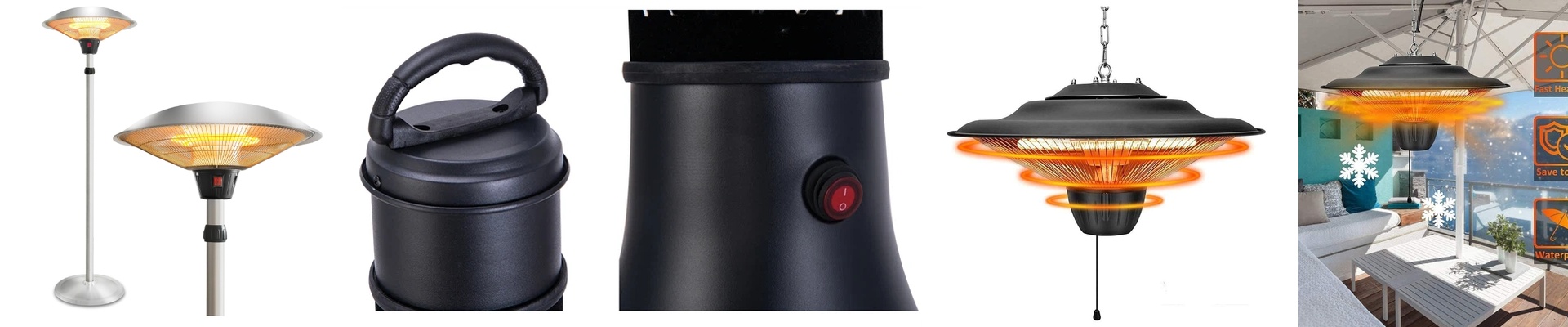
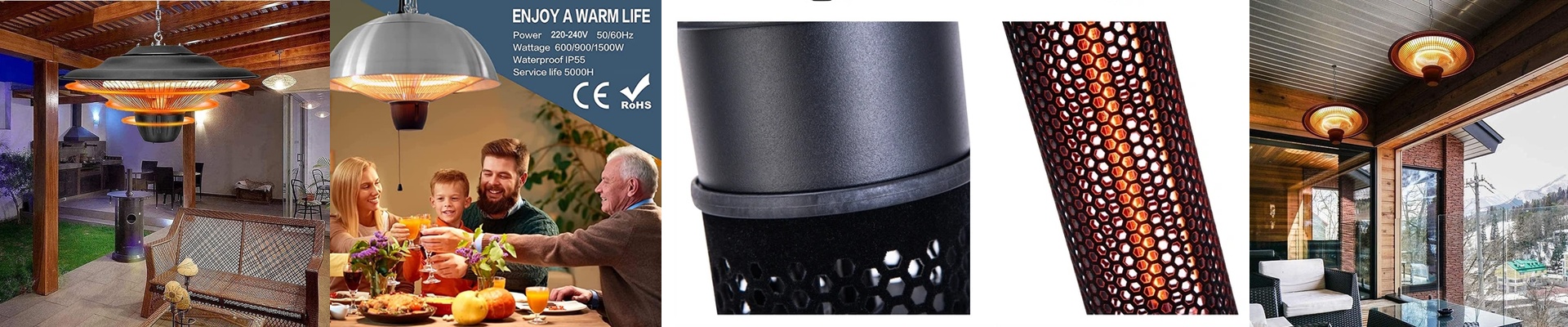
Ever feel like your kitchen or production line is just… stuck? You’ve got orders piling up, but you’re staring at the oven, waiting for it to finally get up to temp. That’s the problem with standard convection. It’s slow. You’re basically heating up air, and then hoping that air heats up your food. It’s a middleman you don’t need. That’s why we started putting carbon fiber infrared (IR) heaters inside convection ovens. Instead of relying on hot air, these emitters send energy straight into the product. No middleman. Just heat. The magic of a fast response Here is the cool part: carbon fiber elements don’t need to get glowing red-hot like those old metal coils to work. They hit their target temperature almost instantly. In a busy shop, those saved minutes add up. You don’t have to sit around waiting for the oven cavity to stabilize. You flip the switch, the product absorbs the energy, and you’re done. It’s fast. Really fast. And that changes everything for your workflow. Getting the setup right When you mix IR lamps with a convection setup, you get the best of both worlds. The fans keep a steady baseline temperature so everything stays warm, but the IR lamps provide that sudden “hit” you need for a perfect sear or a quick dry. But a word of caution: keep an eye on your power supply. Carbon fiber heaters have what we call low cold-resistance. In plain English? They pull a massive amount of current the second you turn them on. If your contactors aren’t rated for that initial surge, they’ll burn out. Trust me, you don’t want to be troubleshooting a dead oven in the middle of a rush. The trade-offs (because nothing is perfect) You can’t just toss these into any old metal box. High-density IR heating puts a lot of stress on the chassis. If you’re using thin-gauge stainless steel without proper heat shields or vents, the radiant heat can actually warp the metal. We usually suggest a specific standoff distance—basically, a little breathing room—between the heater and the product. This stops the surface from scorching while still keeping your production moving. Just find that sweet spot between the IR intensity and your fan speed so your product doesn’t dry out before it’s actually cooked.