Getting Your Rotary Oven Heat Actually Right
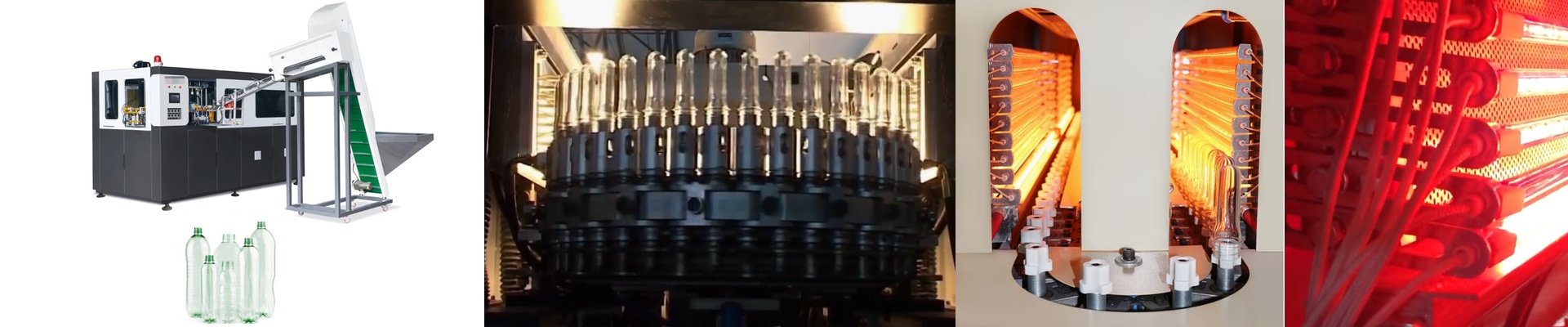
When you’re running an automated kitchen, throwing raw power at the problem doesn’t work. It’s not about how hot the oven gets; it’s about how well the heating element and the PLC actually talk to each other. That’s why we build circular infrared bulbs specifically for rotary ovens. We want to kill off those annoying cold spots that happen while your product is spinning. The real deal on high-density heating We use high-wattage quartz glass because it reacts fast. Really fast. When your control system tells the oven to tweak the temperature, a quartz bulb jumps to attention way quicker than those old-school resistive coils. This makes your PID loops much tighter. You can crank the heat in seconds and pull it back just as quickly. It gives you a level of control that feels intuitive. But here is where things usually get messy: the voltage. Too many engineers overlook how the industrial grid actually behaves. If you’re pushing 2500W through a tube, your wiring gauge needs to be spot on. Otherwise, you’re just overheating your harness and risking a meltdown. We handle the custom voltage configurations for you so you don’t have to worry about voltage drops across those long cable runs. Making it fit (and stay put) Standard bulbs aren’t built for the chaos of a rotary environment. Between the constant vibration and the mechanical movement, they tend to wiggle loose or just fail. We fixed that. We use reinforced end-caps and specific connector footprints so the bulb stays locked in place, no matter how much the machine shakes. Then there’s the coating. This is the secret sauce that determines the wavelength. Short-wave bulbs hit the surface of the food instantly. Medium-wave sinks in deeper. Depending on how thick your product is, we can tweak this so you’re baking the center without burning the outside. The stuff they don’t tell you Here’s the thing: high-intensity infrared puts out a lot of ambient heat. A lot. You can’t just plug these bulbs in and call it a day. If you don’t spec out your exhaust fans and cooling vents properly, that heat builds up inside the chassis. And that’s when the trouble starts. Your thermocouples will start to drift, your precision goes out the window, and suddenly you’re guessing instead of controlling. You’ve got to protect your sensors and actuators, or the whole system falls apart.